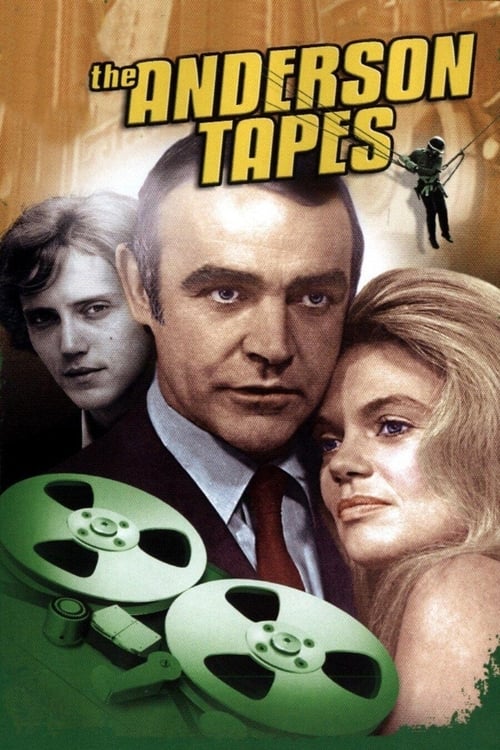
The Anderson Tapes
Thief Duke Anderson—just released from ten years in jail—takes up with his old girlfriend in her posh apartment block, and makes plans to rob the entire building. What he doesn't know is that his every move is being recorded on audio and video, although he is not the subject of any surveillance.
Working with a small-scale budget of $3.0M, the film achieved a respectable showing with $5.0M in global revenue (+67% profit margin).


Plot Structure
Story beats plotted across runtime


Narrative Arc
Emotional journey through the story's key moments
Story Circle
Blueprint 15-beat structure
Arcplot Score Breakdown
Weighted: Precision (70%) + Arc (15%) + Theme (15%)
The Anderson Tapes (1971) exhibits meticulously timed dramatic framework, characteristic of Sidney Lumet's storytelling approach. This structural analysis examines how the film's 15-point plot structure maps to proven narrative frameworks across 1 hour and 39 minutes. With an Arcplot score of 7.1, the film balances conventional beats with creative variation.
Characters
Cast & narrative archetypes

Duke Anderson
Ingrid Everleigh
Tommy Haskins
Pop
The Kid
Captain Delaney
Main Cast & Characters
Duke Anderson
Played by Sean Connery
A professional thief who plans an elaborate heist of an entire luxury apartment building immediately after being released from prison.
Ingrid Everleigh
Played by Dyan Cannon
Duke's former girlfriend, a high-end call girl who now lives in the luxury apartment building he plans to rob.
Tommy Haskins
Played by Martin Balsam
Duke's loyal friend and accomplice, an antiques dealer who helps fence stolen goods and participates in the heist.
Pop
Played by Alan King
An elderly safe-cracker and explosives expert recruited by Duke for his technical skills in opening safes.
The Kid
Played by Christopher Walken
A young, nervous wheelman and electronics expert who helps disable the building's security systems.
Captain Delaney
Played by Ralph Meeker
The NYPD detective who pieces together the surveillance evidence to track down Duke after the heist.
Structural Analysis
The Status Quo at 1 minutes (1% through the runtime) establishes Duke Anderson is released from prison after ten years, emerging into a world of pervasive surveillance he doesn't yet understand. He's a professional thief returning to his old life.. Structural examination shows that this early placement immediately immerses viewers in the story world.
The inciting incident occurs at 12 minutes when Duke conceives the plan to rob the entire luxury apartment building on Labor Day weekend when residents are away. This audacious idea disrupts his return to small-time crime and sets the story in motion.. At 12% through the film, this Disruption aligns precisely with traditional story structure. This beat shifts the emotional landscape, launching the protagonist into the central conflict.
The First Threshold at 25 minutes marks the transition into Act II, occurring at 26% of the runtime. This indicates the protagonist's commitment to Duke and his crew commit to the heist. They finalize the plan and set the date. There's no turning back—Duke has made the active choice to execute the biggest job of his career., moving from reaction to action.
At 50 minutes, the Midpoint arrives at 50% of the runtime—precisely centered, creating perfect narrative symmetry. The analysis reveals that this crucial beat The heist is going perfectly—they've collected a fortune and control the building. It's a false victory; Duke believes he's outsmarted everyone, but the audience knows multiple agencies are unknowingly recording everything., fundamentally raising what's at risk. The emotional intensity shifts, dividing the narrative into clear before-and-after phases.
The Collapse moment at 75 minutes (76% through) represents the emotional nadir. Here, The police arrive, tipped off when surveillance footage is finally connected. The heist falls apart. Duke's perfect crime unravels not through detective work but through the omnipresent technological surveillance—the very theme that was stated., indicates the protagonist at their lowest point. This beat's placement in the final quarter sets up the climactic reversal.
The Second Threshold at 81 minutes initiates the final act resolution at 82% of the runtime. Duke understands the complete scope of the surveillance net that caught him. He makes a final desperate attempt to escape, knowing the new world has no place for someone like him., demonstrating the transformation achieved throughout the journey.
Emotional Journey
The Anderson Tapes's emotional architecture traces a deliberate progression across 15 carefully calibrated beats.
Narrative Framework
This structural analysis employs structural analysis methodology used to understand storytelling architecture. By mapping The Anderson Tapes against these established plot points, we can identify how Sidney Lumet utilizes or subverts traditional narrative conventions. The plot point approach reveals not only adherence to structural principles but also creative choices that distinguish The Anderson Tapes within the crime genre.
Sidney Lumet's Structural Approach
Among the 15 Sidney Lumet films analyzed on Arcplot, the average structural score is 6.8, demonstrating varied approaches to story architecture. The Anderson Tapes represents one of the director's most structurally precise works. For comparative analysis, explore the complete Sidney Lumet filmography.
Comparative Analysis
Additional crime films include The Bad Guys, Rustom and The Whole Ten Yards. For more Sidney Lumet analyses, see Guilty as Sin, Dog Day Afternoon and Murder on the Orient Express.
Plot Points by Act
Act I
SetupStatus Quo
Duke Anderson is released from prison after ten years, emerging into a world of pervasive surveillance he doesn't yet understand. He's a professional thief returning to his old life.
Theme
A character remarks on the surveillance state: "Everybody's watching everybody." The theme of privacy, technology, and the impossibility of anonymity in modern society is established.
Worldbuilding
Duke reconnects with his ex-girlfriend Ingrid who now lives in a luxury apartment building. We meet various surveillance agencies unknowingly monitoring Duke for different reasons. Duke's criminal expertise and the building's wealthy residents are established.
Disruption
Duke conceives the plan to rob the entire luxury apartment building on Labor Day weekend when residents are away. This audacious idea disrupts his return to small-time crime and sets the story in motion.
Resistance
Duke assembles his crew: a safe expert, a driver, muscle, and technical support. He secures financing from a Mafia contact. The team debates the risks and logistics. Duke scouts the building and plans meticulously.
Act II
ConfrontationFirst Threshold
Duke and his crew commit to the heist. They finalize the plan and set the date. There's no turning back—Duke has made the active choice to execute the biggest job of his career.
Mirror World
Duke's relationship with Ingrid deepens. She represents a possible legitimate life and emotional connection, contrasting with his criminal path. She unknowingly carries the theme—her building is both his target and her home.
Premise
The heist preparation and execution begins. The crew takes over the building, moves floor to floor, cracks safes, and collects valuables. This is the "promise of the premise"—the professional heist we came to see, executed with precision.
Midpoint
The heist is going perfectly—they've collected a fortune and control the building. It's a false victory; Duke believes he's outsmarted everyone, but the audience knows multiple agencies are unknowingly recording everything.
Opposition
Complications arise: unexpected residents appear, a child discovers them, tensions in the crew increase. Meanwhile, the various surveillance operations continue recording. The walls close in though Duke doesn't know it yet.
Collapse
The police arrive, tipped off when surveillance footage is finally connected. The heist falls apart. Duke's perfect crime unravels not through detective work but through the omnipresent technological surveillance—the very theme that was stated.
Crisis
Duke realizes he never had a chance in a world where everyone is watched. The crew scatters. Violence erupts. Duke processes that his old-world professionalism is obsolete in the age of surveillance.
Act III
ResolutionSecond Threshold
Duke understands the complete scope of the surveillance net that caught him. He makes a final desperate attempt to escape, knowing the new world has no place for someone like him.
Synthesis
The finale: police raid, crew members are killed or captured. Duke makes his last stand. The various surveillance agencies remain unaware of each other, highlighting the absurdity and fragmentation of the watched society.
Transformation
Duke is killed by police. The surveillance tapes are filed away—all that watching, yet no agency communicated. The final image mirrors the opening: a man destroyed by a system that watches everything but sees nothing. The theme is resolved tragically.