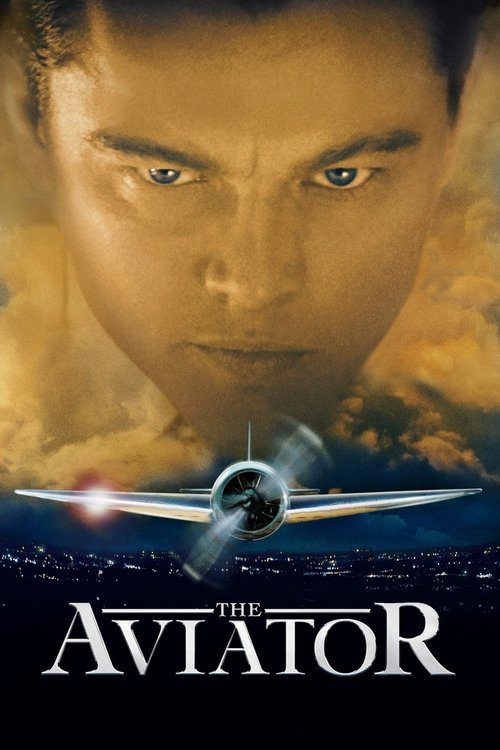
The Aviator
A biopic depicting the life of filmmaker and aviation pioneer Howard Hughes from 1927 to 1947, during which time he became a successful film producer and an aviation magnate, while simultaneously growing more unstable due to severe obsessive-compulsive disorder.
Working with a substantial budget of $110.0M, the film achieved a modest success with $213.7M in global revenue (+94% profit margin).
5 Oscars. 89 wins & 131 nominations


Plot Structure
Story beats plotted across runtime


Narrative Arc
Emotional journey through the story's key moments
Story Circle
Blueprint 15-beat structure
Arcplot Score Breakdown
Weighted: Precision (70%) + Arc (15%) + Theme (15%)
The Aviator (2004) exhibits deliberately positioned narrative design, characteristic of Martin Scorsese's storytelling approach. This structural analysis examines how the film's 15-point plot structure maps to proven narrative frameworks across 2 hours and 50 minutes. With an Arcplot score of 7.0, the film balances conventional beats with creative variation.
Characters
Cast & narrative archetypes

Howard Hughes
Katharine Hepburn
Ava Gardner
Juan Trippe
Senator Ralph Owen Brewster
Noah Dietrich
Main Cast & Characters
Howard Hughes
Played by Leonardo DiCaprio
Visionary aviator and filmmaker who descends into OCD and paranoia while building his empire
Katharine Hepburn
Played by Cate Blanchett
Independent actress and Hughes' passionate lover who refuses to be controlled
Ava Gardner
Played by Kate Beckinsale
Glamorous actress who becomes Hughes' companion during his declining mental health
Juan Trippe
Played by Alec Baldwin
Pan Am CEO and Hughes' corporate rival who battles him for aviation dominance
Senator Ralph Owen Brewster
Played by Alan Alda
Corrupt politician who attempts to destroy Hughes through Senate hearings
Noah Dietrich
Played by John C. Reilly
Hughes' loyal business manager and financial advisor who manages his empire
Structural Analysis
The Status Quo at 2 minutes (1% through the runtime) establishes Young Howard Hughes on set of "Hell's Angels" (1927), obsessively directing aerial combat sequences. Establishes his perfectionism, wealth, and relentless ambition in filmmaking.. The analysis reveals that this early placement immediately immerses viewers in the story world.
The inciting incident occurs at 18 minutes when Hughes decides to premiere "Hell's Angels" as a talkie despite enormous cost, risking everything. First major gamble that sets pattern of obsessive risk-taking regardless of consequences.. At 11% through the film, this Disruption aligns precisely with traditional story structure. This beat shifts the emotional landscape, launching the protagonist into the central conflict.
The First Threshold at 41 minutes marks the transition into Act II, occurring at 24% of the runtime. This indicates the protagonist's commitment to Hughes commits fully to building the H-1 Racer and breaking the speed record, choosing to pursue aviation greatness over maintaining safe Hollywood success. Active choice to enter the dangerous world of test piloting., moving from reaction to action.
At 85 minutes, the Midpoint arrives at 50% of the runtime—precisely centered, creating perfect narrative symmetry. Of particular interest, this crucial beat Hughes crashes the XF-11 spy plane in Beverly Hills, nearly dying in fiery wreck. False defeat: appears to be his end, but survival will lead to greater troubles. His invincibility shattered., fundamentally raising what's at risk. The emotional intensity shifts, dividing the narrative into clear before-and-after phases.
The Collapse moment at 127 minutes (75% through) represents the emotional nadir. Here, Hughes locks himself naked in screening room, unable to leave, repeating "the way of the future" endlessly. Complete mental breakdown. Death of his functional self—the whiff of death is psychological annihilation., illustrates the protagonist at their lowest point. This beat's placement in the final quarter sets up the climactic reversal.
The Second Threshold at 135 minutes initiates the final act resolution at 80% of the runtime. Hughes remembers his mother's words about quarantine, recognizes the pattern of his illness, and forces himself to break free. Synthesis of self-awareness: understanding his sickness allows him to fight it., demonstrating the transformation achieved throughout the journey.
Emotional Journey
The Aviator's emotional architecture traces a deliberate progression across 15 carefully calibrated beats.
Narrative Framework
This structural analysis employs proven narrative structure principles that track dramatic progression. By mapping The Aviator against these established plot points, we can identify how Martin Scorsese utilizes or subverts traditional narrative conventions. The plot point approach reveals not only adherence to structural principles but also creative choices that distinguish The Aviator within the drama genre.
Martin Scorsese's Structural Approach
Among the 18 Martin Scorsese films analyzed on Arcplot, the average structural score is 6.0, showcasing experimental approaches to narrative form. The Aviator represents one of the director's most structurally precise works. For comparative analysis, explore the complete Martin Scorsese filmography.
Comparative Analysis
Additional drama films include After Thomas, South Pacific and Dirty Dancing: Havana Nights. For more Martin Scorsese analyses, see Casino, Killers of the Flower Moon and After Hours.
Plot Points by Act
Act I
SetupStatus Quo
Young Howard Hughes on set of "Hell's Angels" (1927), obsessively directing aerial combat sequences. Establishes his perfectionism, wealth, and relentless ambition in filmmaking.
Theme
Hughes' associate mentions "The way of the future" regarding aviation technology. Theme: the cost of visionary obsession and the price of pushing boundaries beyond human limits.
Worldbuilding
Establishing Hughes' world: massive film production, romance with Katharine Hepburn, his germaphobia hints, passion for aviation, and Hollywood glamour. Shows his dual obsessions with film and flight.
Disruption
Hughes decides to premiere "Hell's Angels" as a talkie despite enormous cost, risking everything. First major gamble that sets pattern of obsessive risk-taking regardless of consequences.
Resistance
Hughes navigates Hollywood success, deepens relationship with Hepburn, begins designing revolutionary aircraft. Period of triumph and learning, though his obsessive tendencies and germaphobia intensify.
Act II
ConfrontationFirst Threshold
Hughes commits fully to building the H-1 Racer and breaking the speed record, choosing to pursue aviation greatness over maintaining safe Hollywood success. Active choice to enter the dangerous world of test piloting.
Mirror World
Katharine Hepburn confronts Hughes about his obsessions and offers unconditional support despite his flaws. She represents the human connection and balance he needs but cannot maintain.
Premise
The "fun" of Hughes' double life: setting speed records, romancing starlets, battling Pan Am, building TWA empire. The glamorous aviator-mogul at his peak, living the premise of limitless ambition.
Midpoint
Hughes crashes the XF-11 spy plane in Beverly Hills, nearly dying in fiery wreck. False defeat: appears to be his end, but survival will lead to greater troubles. His invincibility shattered.
Opposition
Recovery reveals deepening mental illness. Senator Brewster and Pan Am attack him legally. OCD spirals worse. Ava Gardner relationship fails. His empire and sanity both under siege from external and internal enemies.
Collapse
Hughes locks himself naked in screening room, unable to leave, repeating "the way of the future" endlessly. Complete mental breakdown. Death of his functional self—the whiff of death is psychological annihilation.
Crisis
Hughes remains imprisoned by his mind, trapped in OCD hell. His assistant Odekirk tries to reach him. The dark night where Hughes confronts whether he can ever escape his own psyche.
Act III
ResolutionSecond Threshold
Hughes remembers his mother's words about quarantine, recognizes the pattern of his illness, and forces himself to break free. Synthesis of self-awareness: understanding his sickness allows him to fight it.
Synthesis
Hughes emerges, testifies brilliantly before Senate, defeats Brewster, successfully flies the Hercules ("Spruce Goose"), vindicating his vision. Final battle won through synthesis of his genius and newfound self-understanding.
Transformation
Hughes at restaurant, begins repeating "the way of the future" again while looking at young starlets. Victory is hollow—he's won battles but his demons remain. Tragic transformation: success achieved, self not truly saved.