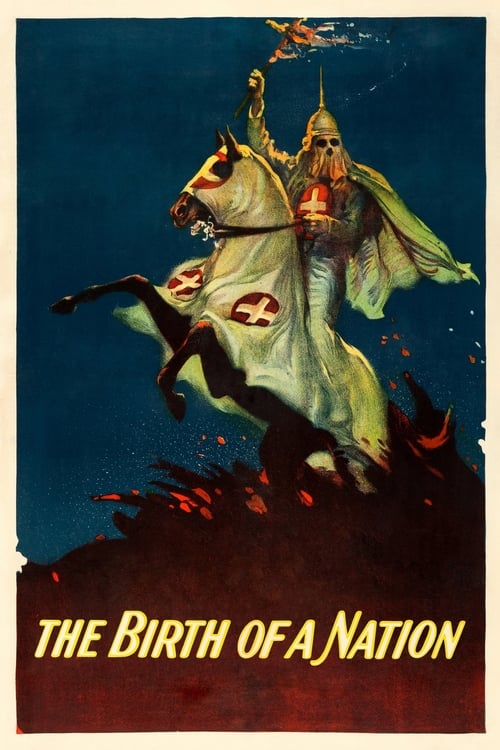
The Birth of a Nation
Two families, abolitionist Northerners the Stonemans and Southern landowners the Camerons, intertwine. When Confederate colonel Ben Cameron is captured in battle, nurse Elsie Stoneman petitions for his pardon. In Reconstruction-era South Carolina, Cameron founds the Ku Klux Klan, battling Elsie's congressman father and his African-American protégé, Silas Lynch.
Despite its extremely modest budget of $100K, The Birth of a Nation became a box office phenomenon, earning $11.0M worldwide—a remarkable 10900% return. The film's bold vision found its audience, proving that strong storytelling can transcend budget limitations.

Plot Structure
Story beats plotted across runtime


Narrative Arc
Emotional journey through the story's key moments
Story Circle
Blueprint 15-beat structure
Arcplot Score Breakdown
Weighted: Precision (70%) + Arc (15%) + Theme (15%)
The Birth of a Nation (1915) exhibits carefully calibrated dramatic framework, characteristic of D.W. Griffith's storytelling approach. This structural analysis examines how the film's 15-point plot structure maps to proven narrative frameworks across 3 hours and 15 minutes. With an Arcplot score of 7.4, the film balances conventional beats with creative variation.
Structural Analysis
The Status Quo at 2 minutes (1% through the runtime) establishes The Cameron and Stoneman families are introduced in their pre-war harmony. The Stoneman brothers visit the Cameron plantation in South Carolina, establishing the friendship between the families and the romantic connection between Ben Cameron and Elsie Stoneman.. Significantly, this early placement immediately immerses viewers in the story world.
The inciting incident occurs at 24 minutes when The outbreak of the Civil War. Title card announces Lincoln's call for troops. The harmonious world is shattered as the families find themselves on opposite sides of the conflict, with brothers preparing to fight against each other.. At 12% through the film, this Disruption aligns precisely with traditional story structure. This beat shifts the emotional landscape, launching the protagonist into the central conflict.
The First Threshold at 52 minutes marks the transition into Act II, occurring at 27% of the runtime. This shows the protagonist's commitment to Lee's surrender at Appomattox and Lincoln's assassination. The war ends, but the hoped-for reconciliation dies with Lincoln. Ben Cameron returns home to a devastated South, crossing into the new world of Reconstruction., moving from reaction to action.
At 104 minutes, the Midpoint arrives at 53% of the runtime—precisely centered, creating perfect narrative symmetry. Notably, this crucial beat The legislature scene where newly-elected Black legislators are shown (in the film's racist depiction) as unfit to govern, passing laws allowing interracial marriage. Silas Lynch proposes to Elsie. The stakes raise dramatically - this is the "false defeat" that galvanizes the protagonist., fundamentally raising what's at risk. The emotional intensity shifts, dividing the narrative into clear before-and-after phases.
The Collapse moment at 147 minutes (75% through) represents the emotional nadir. Here, Flora Cameron's death. Pursued by Gus (a freedman seeking to marry her), Flora leaps from a cliff to her death rather than accept his proposal. This is the "whiff of death" that represents the complete collapse - the loss of innocence and the event that justifies (in the film's narrative) the Klan's violent response., shows the protagonist at their lowest point. This beat's placement in the final quarter sets up the climactic reversal.
The Second Threshold at 156 minutes initiates the final act resolution at 80% of the runtime. Ben Cameron learns of Elsie's captivity and the siege of the Cameron family cabin. He marshals the full force of the Klan for a coordinated rescue operation. The synthesis of his military leadership skills and his new role as Klan leader enables the final action., demonstrating the transformation achieved throughout the journey.
Emotional Journey
The Birth of a Nation's emotional architecture traces a deliberate progression across 15 carefully calibrated beats.
Narrative Framework
This structural analysis employs a 15-point narrative structure framework that maps key story moments. By mapping The Birth of a Nation against these established plot points, we can identify how D.W. Griffith utilizes or subverts traditional narrative conventions. The plot point approach reveals not only adherence to structural principles but also creative choices that distinguish The Birth of a Nation within the drama genre.
D.W. Griffith's Structural Approach
Among the 2 D.W. Griffith films analyzed on Arcplot, the average structural score is 7.4, reflecting strong command of classical structure. The Birth of a Nation exemplifies the director's characteristic narrative technique. For comparative analysis, explore the complete D.W. Griffith filmography.
Comparative Analysis
Additional drama films include After Thomas, South Pacific and Dirty Dancing: Havana Nights. For more D.W. Griffith analyses, see Way Down East.
Plot Points by Act
Act I
SetupStatus Quo
The Cameron and Stoneman families are introduced in their pre-war harmony. The Stoneman brothers visit the Cameron plantation in South Carolina, establishing the friendship between the families and the romantic connection between Ben Cameron and Elsie Stoneman.
Theme
A title card states: "The bringing of the African to America planted the first seed of disunion." The film's central (though deeply problematic) thematic premise about racial division and national unity is explicitly stated.
Worldbuilding
Establishment of the antebellum South, the two families' relationships, social structures, and the growing tensions between North and South. Shows the plantation life, the Cameron and Stoneman families' dynamics, and Austin Stoneman's abolitionist politics.
Disruption
The outbreak of the Civil War. Title card announces Lincoln's call for troops. The harmonious world is shattered as the families find themselves on opposite sides of the conflict, with brothers preparing to fight against each other.
Resistance
The Civil War sequences showing battles, suffering, and the gradual devastation of both families. Ben Cameron becomes "The Little Colonel," while the Stoneman brothers fight for the Union. Deaths mount on both sides, establishing the cost of the conflict.
Act II
ConfrontationFirst Threshold
Lee's surrender at Appomattox and Lincoln's assassination. The war ends, but the hoped-for reconciliation dies with Lincoln. Ben Cameron returns home to a devastated South, crossing into the new world of Reconstruction.
Mirror World
Austin Stoneman and his protégé Silas Lynch arrive in the South to implement Reconstruction policies. Lynch represents the film's thematic antagonist force - the "threat" of racial equality that will drive Ben Cameron's eventual choice to form the Klan.
Premise
The Reconstruction era depicted as increasingly chaotic. The rise of Black political power, the carpetbaggers' influence, and the Cameron family's struggle under the new order. Ben Cameron and Elsie Stoneman's romance continues despite political divisions.
Midpoint
The legislature scene where newly-elected Black legislators are shown (in the film's racist depiction) as unfit to govern, passing laws allowing interracial marriage. Silas Lynch proposes to Elsie. The stakes raise dramatically - this is the "false defeat" that galvanizes the protagonist.
Opposition
The formation and activities of the Ku Klux Klan as a response to Reconstruction. Ben Cameron becomes the leader. Tensions escalate between the Klan and the Reconstruction authorities. The antagonist forces (in the film's view, Silas Lynch and empowered freedmen) gain power.
Collapse
Flora Cameron's death. Pursued by Gus (a freedman seeking to marry her), Flora leaps from a cliff to her death rather than accept his proposal. This is the "whiff of death" that represents the complete collapse - the loss of innocence and the event that justifies (in the film's narrative) the Klan's violent response.
Crisis
The dark aftermath of Flora's death. The Cameron family grieves. Gus is hunted, captured by the Klan, and lynched. Silas Lynch takes Elsie hostage and attempts to force her to marry him. Everything reaches maximum darkness and chaos.
Act III
ResolutionSecond Threshold
Ben Cameron learns of Elsie's captivity and the siege of the Cameron family cabin. He marshals the full force of the Klan for a coordinated rescue operation. The synthesis of his military leadership skills and his new role as Klan leader enables the final action.
Synthesis
The ride of the Klan. Parallel cross-cutting between the besieged Cameron cabin and Elsie's captivity, with the Klan racing to rescue both. The climactic confrontations with Lynch and his forces. The Klan's victory and the rescue of both Elsie and the Cameron family.
Transformation
The double wedding of Ben Cameron to Elsie Stoneman and another couple, symbolizing the reunion of North and South (though through white supremacy). The final title card shows a vision of peace with war's weapons cast aside, depicting the "nation" reborn through the Klan's actions.