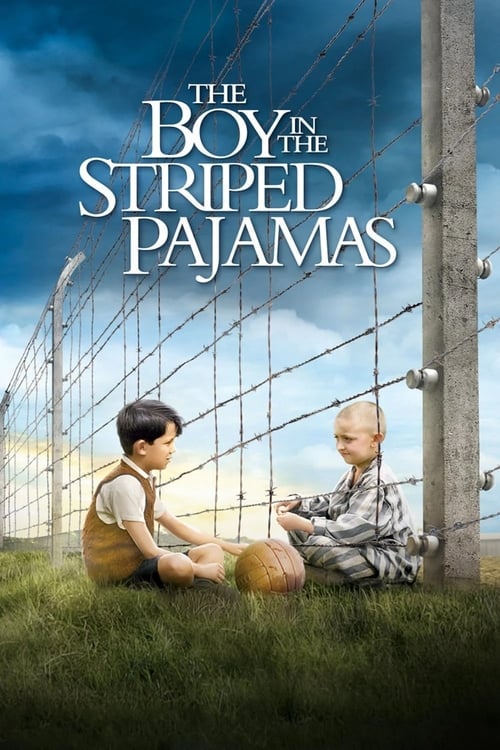
The Boy in the Striped Pyjamas
When his family moves from their home in Berlin to a strange new house in Poland, young Bruno befriends Shmuel, a boy who lives on the other side of the fence where everyone seems to be wearing striped pajamas. Unaware of Shmuel's fate as a Jewish prisoner or the role his own Nazi father plays in his imprisonment, Bruno embarks on a dangerous journey inside the camp's walls.
Working with a modest budget of $12.5M, the film achieved a respectable showing with $20.4M in global revenue (+63% profit margin).
7 wins & 7 nominations


Plot Structure
Story beats plotted across runtime


Narrative Arc
Emotional journey through the story's key moments
Story Circle
Blueprint 15-beat structure
Arcplot Score Breakdown
Weighted: Precision (70%) + Arc (15%) + Theme (15%)
The Boy in the Striped Pyjamas (2008) demonstrates carefully calibrated narrative design, characteristic of Mark Herman's storytelling approach. This structural analysis examines how the film's 15-point plot structure maps to proven narrative frameworks across 1 hour and 34 minutes. With an Arcplot score of 7.0, the film balances conventional beats with creative variation.
Characters
Cast & narrative archetypes

Bruno
Shmuel
Ralf
Elsa
Gretel
Lieutenant Kotler
Pavel
Main Cast & Characters
Bruno
Played by Asa Butterfield
An innocent 8-year-old German boy whose family moves to the countryside near a concentration camp during WWII. He befriends a Jewish boy through the fence.
Shmuel
Played by Jack Scanlon
A Jewish boy imprisoned in the concentration camp who becomes Bruno's secret friend. Represents the reality of the Holocaust Bruno cannot comprehend.
Ralf
Played by David Thewlis
Bruno's father, a high-ranking SS officer who commands the concentration camp. Dedicated to Nazi ideology and duty above family.
Elsa
Played by Vera Farmiga
Bruno's mother who gradually becomes aware of the camp's true nature and is horrified by her husband's role. Struggles between family loyalty and morality.
Gretel
Played by Amber Beattie
Bruno's 12-year-old sister who becomes increasingly indoctrinated by Nazi propaganda and develops a crush on Lieutenant Kotler.
Lieutenant Kotler
Played by Rupert Friend
A young, zealous Nazi officer stationed at the house. Cruel and aggressive, particularly toward prisoners and those he views as weak.
Pavel
Played by David Hayman
A Jewish prisoner and former doctor who works as a servant in Bruno's house. Shows kindness to Bruno despite his own suffering.
Structural Analysis
The Status Quo at 1 minutes (1% through the runtime) establishes Bruno plays with friends in the streets of Berlin, running through crowded neighborhoods. His life is carefree, full of friendship and adventure in the city.. Notably, this early placement immediately immerses viewers in the story world.
The inciting incident occurs at 11 minutes when Bruno's father announces the family must leave Berlin immediately for a new posting. Bruno must leave his friends, school, and everything familiar behind.. At 12% through the film, this Disruption aligns precisely with traditional story structure. This beat shifts the emotional landscape, launching the protagonist into the central conflict.
The First Threshold at 23 minutes marks the transition into Act II, occurring at 24% of the runtime. This demonstrates the protagonist's commitment to Bruno defies his mother's orders and actively chooses to sneak out of the garden and explore the forbidden woods toward the "farm" he sees in the distance., moving from reaction to action.
At 48 minutes, the Midpoint arrives at 51% of the runtime—precisely centered, creating perfect narrative symmetry. Notably, this crucial beat Shmuel is brought into the house to clean glasses. Bruno gives him food, but when caught, Bruno denies knowing Shmuel out of fear. Shmuel is beaten. This false defeat moment shows Bruno's moral failure and the real danger., fundamentally raising what's at risk. The emotional intensity shifts, dividing the narrative into clear before-and-after phases.
The Collapse moment at 70 minutes (74% through) represents the emotional nadir. Here, Bruno returns to the fence to apologize. Shmuel reveals his father has disappeared. Bruno's mother decides they must leave, but not before Bruno makes one final visit. The innocence is fully shattered., illustrates the protagonist at their lowest point. This beat's placement in the final quarter sets up the climactic reversal.
The Second Threshold at 75 minutes initiates the final act resolution at 80% of the runtime. Bruno makes the fateful decision to dig under the fence and enter the camp in striped pajamas to help Shmuel search for his father, fully crossing into Shmuel's world., demonstrating the transformation achieved throughout the journey.
Emotional Journey
The Boy in the Striped Pyjamas's emotional architecture traces a deliberate progression across 15 carefully calibrated beats.
Narrative Framework
This structural analysis employs systematic plot point analysis that identifies crucial turning points. By mapping The Boy in the Striped Pyjamas against these established plot points, we can identify how Mark Herman utilizes or subverts traditional narrative conventions. The plot point approach reveals not only adherence to structural principles but also creative choices that distinguish The Boy in the Striped Pyjamas within the drama genre.
Comparative Analysis
Additional drama films include After Thomas, South Pacific and Dirty Dancing: Havana Nights.
Plot Points by Act
Act I
SetupStatus Quo
Bruno plays with friends in the streets of Berlin, running through crowded neighborhoods. His life is carefree, full of friendship and adventure in the city.
Theme
Bruno's mother or grandmother mentions that "childhood is for being innocent" and questions whether children should be exposed to certain harsh realities, establishing the theme of innocence confronting evil.
Worldbuilding
Introduction to Bruno's family in Berlin: his Nazi officer father, conflicted mother, teenage sister Gretel, and their comfortable upper-class life. The family dynamic and Bruno's curiosity are established.
Disruption
Bruno's father announces the family must leave Berlin immediately for a new posting. Bruno must leave his friends, school, and everything familiar behind.
Resistance
The family moves to an isolated house in the countryside. Bruno struggles with boredom and isolation, seeing the strange "farm" from his window. He questions what the place is but receives evasive answers from adults.
Act II
ConfrontationFirst Threshold
Bruno defies his mother's orders and actively chooses to sneak out of the garden and explore the forbidden woods toward the "farm" he sees in the distance.
Mirror World
Bruno discovers and meets Shmuel, a Jewish boy his age on the other side of the barbed wire fence. Their friendship begins, representing the thematic heart of the story about common humanity transcending barriers.
Premise
Bruno regularly sneaks out to visit Shmuel at the fence. They share food, play checkers, and talk about their lives. Bruno remains largely innocent about the camp's true nature while their friendship deepens.
Midpoint
Shmuel is brought into the house to clean glasses. Bruno gives him food, but when caught, Bruno denies knowing Shmuel out of fear. Shmuel is beaten. This false defeat moment shows Bruno's moral failure and the real danger.
Opposition
Bruno feels guilt over his betrayal. Tension grows in the household as Bruno's mother discovers the truth about the camp. The stakes heighten as the reality of evil becomes impossible to ignore.
Collapse
Bruno returns to the fence to apologize. Shmuel reveals his father has disappeared. Bruno's mother decides they must leave, but not before Bruno makes one final visit. The innocence is fully shattered.
Crisis
Bruno grapples with leaving his friend behind. He processes the moral weight of the situation and decides he must help Shmuel find his father before departing.
Act III
ResolutionSecond Threshold
Bruno makes the fateful decision to dig under the fence and enter the camp in striped pajamas to help Shmuel search for his father, fully crossing into Shmuel's world.
Synthesis
Bruno searches the camp with Shmuel. They are swept up with other prisoners and herded into the gas chamber. Bruno's family desperately searches for him. The final horror unfolds.
Transformation
The empty house and Bruno's father's anguished realization of what happened. The innocence of childhood and the illusion of distance from evil are both utterly destroyed. The final image shows the sealed, empty gas chamber door.