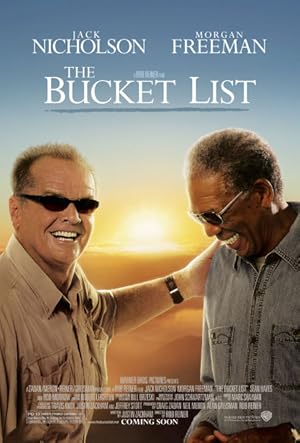
The Bucket List
Corporate billionaire Edward Cole and working class mechanic Carter Chambers have nothing in common except for their terminal illnesses. While sharing a hospital room together, they decide to leave it and do all the things they have ever wanted to do before they die according to their bucket list. In the process, both of them heal each other, become unlikely friends, and ultimately find joy in life.
Despite a mid-range budget of $45.0M, The Bucket List became a solid performer, earning $175.4M worldwide—a 290% return.
3 wins & 4 nominations


Plot Structure
Story beats plotted across runtime


Narrative Arc
Emotional journey through the story's key moments
Story Circle
Blueprint 15-beat structure
Arcplot Score Breakdown
Weighted: Precision (70%) + Arc (15%) + Theme (15%)
The Bucket List (2007) exhibits strategically placed story structure, characteristic of Rob Reiner's storytelling approach. This structural analysis examines how the film's 15-point plot structure maps to proven narrative frameworks across 1 hour and 37 minutes. With an Arcplot score of 7.4, the film balances conventional beats with creative variation.
Structural Analysis
The Status Quo at 1 minutes (1% through the runtime) establishes Carter Chambers works as an auto mechanic, living a quiet, unfulfilled life with his family. Edward Cole is a wealthy, arrogant hospital owner living alone. Both men are established in their separate ordinary worlds before terminal diagnoses disrupt everything.. The analysis reveals that this early placement immediately immerses viewers in the story world.
The inciting incident occurs at 11 minutes when Carter and Edward each receive devastating news from their doctors: they have less than a year to live. The diagnosis shatters their ordinary worlds and forces them to confront mortality.. At 12% through the film, this Disruption aligns precisely with traditional story structure. This beat shifts the emotional landscape, launching the protagonist into the central conflict.
The First Threshold at 24 minutes marks the transition into Act II, occurring at 25% of the runtime. This indicates the protagonist's commitment to Carter makes the active choice to leave the hospital and his family to pursue the bucket list with Edward. He walks out against his wife's wishes, choosing adventure over safe resignation. This irreversible decision launches them into Act 2., moving from reaction to action.
At 48 minutes, the Midpoint arrives at 49% of the runtime—precisely centered, creating perfect narrative symmetry. Notably, this crucial beat At the peak of Mount Everest (symbolically—they view it from base camp), Edward and Carter have a profound conversation about faith and the afterlife. This false victory moment seems like the peak of their journey, but it masks the deeper unresolved issues: Edward's estrangement from his daughter and Carter's guilt about leaving his family. The stakes raise., fundamentally raising what's at risk. The emotional intensity shifts, dividing the narrative into clear before-and-after phases.
The Collapse moment at 71 minutes (73% through) represents the emotional nadir. Here, Carter collapses during an argument with Edward and is rushed to emergency surgery. The "whiff of death" is literal—Carter nearly dies on the operating table. Edward is left alone, forced to confront the possibility of losing his only true friend and facing death alone., illustrates the protagonist at their lowest point. This beat's placement in the final quarter sets up the climactic reversal.
The Second Threshold at 77 minutes initiates the final act resolution at 80% of the runtime. Carter writes Edward a letter revealing that he secretly arranged for Edward to reconcile with his daughter and granddaughter. This act of love and sacrifice gives Edward the information and courage he needs. Edward realizes what Carter taught him: life is measured by the joy you bring to others., demonstrating the transformation achieved throughout the journey.
Emotional Journey
The Bucket List's emotional architecture traces a deliberate progression across 15 carefully calibrated beats.
Narrative Framework
This structural analysis employs proven narrative structure principles that track dramatic progression. By mapping The Bucket List against these established plot points, we can identify how Rob Reiner utilizes or subverts traditional narrative conventions. The plot point approach reveals not only adherence to structural principles but also creative choices that distinguish The Bucket List within the adventure genre.
Rob Reiner's Structural Approach
Among the 17 Rob Reiner films analyzed on Arcplot, the average structural score is 6.9, demonstrating varied approaches to story architecture. The Bucket List represents one of the director's most structurally precise works. For comparative analysis, explore the complete Rob Reiner filmography.
Comparative Analysis
Additional adventure films include The Black Stallion, The Bad Guys and Puss in Boots. For more Rob Reiner analyses, see The Sure Thing, The American President and The Story of Us.
Plot Points by Act
Act I
SetupStatus Quo
Carter Chambers works as an auto mechanic, living a quiet, unfulfilled life with his family. Edward Cole is a wealthy, arrogant hospital owner living alone. Both men are established in their separate ordinary worlds before terminal diagnoses disrupt everything.
Theme
Edward's assistant Thomas asks, "What would you do if you had all the time in the world?" The question plants the thematic seed: how do we measure a life well-lived when time is running out?
Worldbuilding
Carter is a working-class family man who sacrificed his dreams of becoming a history professor. Edward is a billionaire with four divorces, estranged from his only daughter. Both are diagnosed with terminal cancer and placed in the same hospital room due to Edward's "two beds per room" policy.
Disruption
Carter and Edward each receive devastating news from their doctors: they have less than a year to live. The diagnosis shatters their ordinary worlds and forces them to confront mortality.
Resistance
Carter begins writing a "bucket list" of things to do before he dies, inspired by a college philosophy assignment. Edward discovers the list, mocks it initially, but then becomes intrigued. The two debate whether to accept death quietly or rage against it. Edward, with unlimited resources, pushes Carter to consider actually doing the list.
Act II
ConfrontationFirst Threshold
Carter makes the active choice to leave the hospital and his family to pursue the bucket list with Edward. He walks out against his wife's wishes, choosing adventure over safe resignation. This irreversible decision launches them into Act 2.
Mirror World
The relationship between Carter and Edward deepens as they begin their adventures. Carter represents wisdom, family, and spirituality; Edward represents wealth, isolation, and skepticism. Their friendship becomes the mirror that reflects what each is missing—Carter needs freedom and joy; Edward needs connection and meaning.
Premise
The "promise of the premise"—two dying men living out their bucket list. They skydive, race cars, get tattoos, travel to Egypt, see the Taj Mahal, ride motorcycles on the Great Wall of China, go on safari in Africa. The fun and games montage delivers exactly what the audience came for: adventure, humor, and male bonding.
Midpoint
At the peak of Mount Everest (symbolically—they view it from base camp), Edward and Carter have a profound conversation about faith and the afterlife. This false victory moment seems like the peak of their journey, but it masks the deeper unresolved issues: Edward's estrangement from his daughter and Carter's guilt about leaving his family. The stakes raise.
Opposition
Tensions rise between Carter and Edward. Carter pushes Edward to reconcile with his estranged daughter, touching a deep wound. Edward lashes out, revealing his pain and isolation. Meanwhile, Carter's health deteriorates. The fun is over, replaced by confrontation with their deeper emotional issues and the reality of their mortality.
Collapse
Carter collapses during an argument with Edward and is rushed to emergency surgery. The "whiff of death" is literal—Carter nearly dies on the operating table. Edward is left alone, forced to confront the possibility of losing his only true friend and facing death alone.
Crisis
Carter survives surgery but decides to go home to his family, removing Edward from his life. Edward returns to his isolated existence, processing the loss of friendship and confronting his own emptiness. Both men sit in darkness, reflecting on what truly matters.
Act III
ResolutionSecond Threshold
Carter writes Edward a letter revealing that he secretly arranged for Edward to reconcile with his daughter and granddaughter. This act of love and sacrifice gives Edward the information and courage he needs. Edward realizes what Carter taught him: life is measured by the joy you bring to others.
Synthesis
Edward goes to his daughter's house and meets his granddaughter for the first time, achieving reconciliation. Carter spends his final days with his family, at peace. Carter dies surrounded by loved ones. Edward delivers a eulogy celebrating Carter's life, having learned to open his heart. Edward completes the bucket list items that truly matter.
Transformation
Edward (now deceased) and Carter's ashes are placed in coffee cans atop a mountain peak in the Himalayas by Thomas. The final image mirrors the opening but shows transformation: two men who were isolated and unfulfilled have died having truly lived, loved, and found meaning. The bucket list is complete.