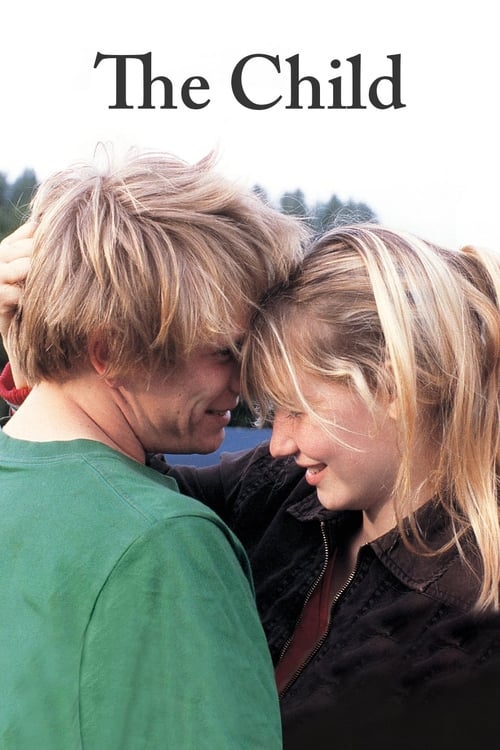
The Child
A poor young Belgian mother wants her petty thief of a boyfriend to be gainfully employed to raise their newborn child, but he has other ideas.
The film earned $5.5M at the global box office.
14 wins & 21 nominations


Plot Structure
Story beats plotted across runtime


Narrative Arc
Emotional journey through the story's key moments
Story Circle
Blueprint 15-beat structure
Arcplot Score Breakdown
Weighted: Precision (70%) + Arc (15%) + Theme (15%)
The Child (2005) exhibits precise story structure, characteristic of Luc Dardenne's storytelling approach. This structural analysis examines how the film's 15-point plot structure maps to proven narrative frameworks across 1 hour and 36 minutes. With an Arcplot score of 7.1, the film balances conventional beats with creative variation.
Characters
Cast & narrative archetypes

Bruno
Sonia
Main Cast & Characters
Bruno
Played by Jérémie Renier
A young petty criminal who impulsively sells his newborn son, triggering a moral crisis
Sonia
Played by Déborah François
Bruno's young girlfriend and mother of their baby, who is devastated by his betrayal
Structural Analysis
The Status Quo at 1 minutes (1% through the runtime) establishes Sonia walks through the industrial streets of Seraing with newborn Jimmy, searching for Bruno. She finds their apartment sublet to strangers - Bruno has rented it out. This establishes Bruno's irresponsibility and Sonia's vulnerable devotion.. Of particular interest, this early placement immediately immerses viewers in the story world.
The inciting incident occurs at 12 minutes when Bruno casually mentions to a contact that he could sell the baby. The seed is planted - he learns black market babies are worth significant money. His world of petty theft suddenly includes the possibility of selling his own child.. At 12% through the film, this Disruption aligns precisely with traditional story structure. This beat shifts the emotional landscape, launching the protagonist into the central conflict.
The First Threshold at 24 minutes marks the transition into Act II, occurring at 25% of the runtime. This indicates the protagonist's commitment to Bruno sells Jimmy to the black market adoption ring. He hands over his son in a cold, transactional exchange and receives an envelope of cash. He crosses an irreversible moral threshold - he has commodified his own child., moving from reaction to action.
At 48 minutes, the Midpoint arrives at 50% of the runtime—precisely centered, creating perfect narrative symmetry. The analysis reveals that this crucial beat Sonia files a police report against Bruno and refuses all contact. Bruno has his child back but has lost Sonia completely. The criminals are threatening him for payment. His false victory of retrieving Jimmy becomes a false defeat - he's more alone and endangered than before., fundamentally raising what's at risk. The emotional intensity shifts, dividing the narrative into clear before-and-after phases.
The Collapse moment at 72 minutes (75% through) represents the emotional nadir. Here, The botched robbery results in Steve nearly drowning in the freezing river while fleeing police. Bruno saves him but Steve is hospitalized. Bruno has now endangered a child in his care - echoing his betrayal of Jimmy. He faces the full weight of his moral failure., illustrates the protagonist at their lowest point. This beat's placement in the final quarter sets up the climactic reversal.
The Second Threshold at 77 minutes initiates the final act resolution at 80% of the runtime. Bruno makes the choice to turn himself in to the police. For the first time in his life, he accepts responsibility for his actions rather than running or scheming. This is his first truly selfless, adult decision - choosing accountability over self-preservation., demonstrating the transformation achieved throughout the journey.
Emotional Journey
The Child's emotional architecture traces a deliberate progression across 15 carefully calibrated beats.
Narrative Framework
This structural analysis employs systematic plot point analysis that identifies crucial turning points. By mapping The Child against these established plot points, we can identify how Luc Dardenne utilizes or subverts traditional narrative conventions. The plot point approach reveals not only adherence to structural principles but also creative choices that distinguish The Child within the drama genre.
Comparative Analysis
Additional drama films include After Thomas, South Pacific and Dirty Dancing: Havana Nights.
Plot Points by Act
Act I
SetupStatus Quo
Sonia walks through the industrial streets of Seraing with newborn Jimmy, searching for Bruno. She finds their apartment sublet to strangers - Bruno has rented it out. This establishes Bruno's irresponsibility and Sonia's vulnerable devotion.
Theme
When Sonia asks Bruno if he's happy about the baby, he shrugs indifferently. A social worker mentions that children need stability and commitment - foreshadowing the central question: can Bruno learn what it means to take responsibility for another life?
Worldbuilding
We see Bruno's world of petty crime - he runs a small gang of teenage thieves, treats money as something to spend immediately, and views everything transactionally. Sonia remains hopeful he'll change now that they have Jimmy. Bruno shows no paternal connection to the baby.
Disruption
Bruno casually mentions to a contact that he could sell the baby. The seed is planted - he learns black market babies are worth significant money. His world of petty theft suddenly includes the possibility of selling his own child.
Resistance
Bruno debates the decision internally while continuing his criminal activities. He tests Sonia's attachment to Jimmy, sees how much money they could get. There's no moral guide figure - only Bruno's amoral calculus. He arranges the sale while Sonia believes they're out for a walk.
Act II
ConfrontationFirst Threshold
Bruno sells Jimmy to the black market adoption ring. He hands over his son in a cold, transactional exchange and receives an envelope of cash. He crosses an irreversible moral threshold - he has commodified his own child.
Mirror World
Sonia discovers Jimmy is gone. When Bruno reveals he sold their baby, she collapses in shock and is hospitalized. Her pure, devastated love for Jimmy mirrors everything Bruno lacks - genuine human attachment. Her collapse forces Bruno to confront what he's done.
Premise
Bruno desperately tries to get Jimmy back. He contacts the buyers, returns the money, and retrieves the baby. But the criminals now demand additional payment for their trouble - Bruno owes them money he doesn't have. He returns Jimmy to the hospital where Sonia recovers, but she refuses to see him.
Midpoint
Sonia files a police report against Bruno and refuses all contact. Bruno has his child back but has lost Sonia completely. The criminals are threatening him for payment. His false victory of retrieving Jimmy becomes a false defeat - he's more alone and endangered than before.
Opposition
Bruno attempts increasingly desperate schemes to get money - using his teenage accomplice Steve in a botched robbery that goes wrong. The criminals pressure him. The police investigate. Sonia won't speak to him. Every attempt to fix things makes them worse. Bruno's criminal lifestyle offers no solutions.
Collapse
The botched robbery results in Steve nearly drowning in the freezing river while fleeing police. Bruno saves him but Steve is hospitalized. Bruno has now endangered a child in his care - echoing his betrayal of Jimmy. He faces the full weight of his moral failure.
Crisis
Bruno sits alone, truly confronting himself for the first time. Steve is injured because of him. Sonia is gone. Jimmy will grow up without a father. His entire existence has been about taking - from society, from Sonia, from his own child. He has nothing and no one.
Act III
ResolutionSecond Threshold
Bruno makes the choice to turn himself in to the police. For the first time in his life, he accepts responsibility for his actions rather than running or scheming. This is his first truly selfless, adult decision - choosing accountability over self-preservation.
Synthesis
Bruno confesses to the police about the baby selling scheme. He is arrested and jailed. From prison, he requests to see Sonia one final time. The system he always evaded now contains him - but containment becomes the structure he always lacked.
Transformation
Sonia visits Bruno in prison. They sit across from each other and Bruno breaks down crying - his first genuine emotional release. Sonia cries too. They hold hands through the barrier. Bruno has finally felt something real. The child who couldn't be a father has taken his first step toward becoming one.