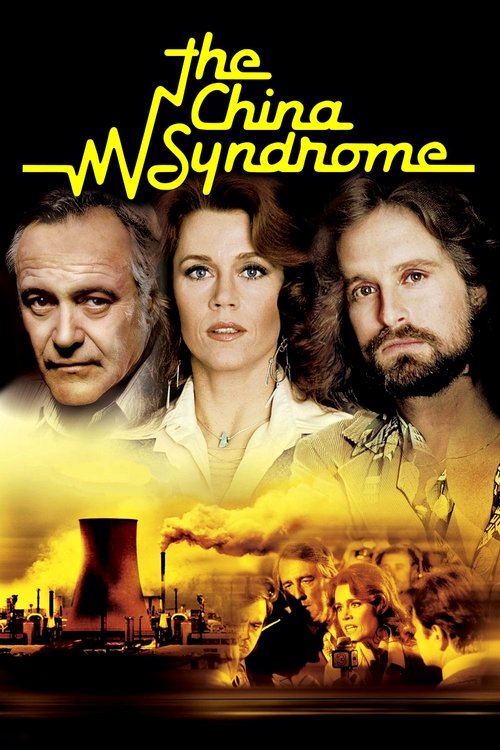
The China Syndrome
While doing a series of reports on alternative energy sources, opportunistic reporter Kimberly Wells witnesses an accident at a nuclear power plant. Wells is determined to publicize the incident, but soon finds herself entangled in a sinister conspiracy to keep the full impact of the incident a secret.
Despite its limited budget of $5.9M, The China Syndrome became a runaway success, earning $51.7M worldwide—a remarkable 777% return. The film's bold vision engaged audiences, illustrating how strong storytelling can transcend budget limitations.
Nominated for 4 Oscars. 9 wins & 16 nominations


Plot Structure
Story beats plotted across runtime


Narrative Arc
Emotional journey through the story's key moments
Story Circle
Blueprint 15-beat structure
Arcplot Score Breakdown
Weighted: Precision (70%) + Arc (15%) + Theme (15%)
The China Syndrome (1979) showcases precise narrative architecture, characteristic of James Bridges's storytelling approach. This structural analysis examines how the film's 15-point plot structure maps to proven narrative frameworks across 2 hours and 2 minutes. With an Arcplot score of 6.5, the film balances conventional beats with creative variation.
Characters
Cast & narrative archetypes

Kimberly Wells
Jack Godell
Richard Adams
Main Cast & Characters
Kimberly Wells
Played by Jane Fonda
An ambitious television reporter who uncovers a potential nuclear disaster and risks her career to expose the truth.
Jack Godell
Played by Jack Lemmon
A dedicated shift supervisor at the nuclear power plant who discovers safety violations and becomes a whistleblower.
Richard Adams
Played by Michael Douglas
A passionate freelance cameraman who secretly films the nuclear incident and pushes for the story to be told.
Structural Analysis
The Status Quo at 1 minutes (1% through the runtime) establishes Kimberly Wells broadcasts a fluffy human interest story about a singing telegram, establishing her status as a lightweight TV personality frustrated with superficial assignments, yearning for serious journalism.. Notably, this early placement immediately immerses viewers in the story world.
The inciting incident occurs at 15 minutes when During the routine plant tour, a sudden violent shaking erupts—a SCRAM event. Richard secretly films the control room chaos as Jack Godell and his team struggle to manage the crisis. The mundane assignment transforms into potential catastrophe.. At 12% through the film, this Disruption aligns precisely with traditional story structure. This beat shifts the emotional landscape, launching the protagonist into the central conflict.
The First Threshold at 31 minutes marks the transition into Act II, occurring at 25% of the runtime. This shows the protagonist's commitment to Despite her station's orders and career risks, Kimberly decides to secretly investigate the plant incident with Richard. She makes the active choice to pursue the truth over her comfortable career trajectory, crossing into dangerous territory., moving from reaction to action.
At 61 minutes, the Midpoint arrives at 50% of the runtime—precisely centered, creating perfect narrative symmetry. Of particular interest, this crucial beat Jack obtains definitive proof that the plant's welds are dangerously defective—falsified inspection documents that could condemn the facility. This false victory turns to false defeat as he realizes the company will never voluntarily shut down. The stakes become life-or-death., fundamentally raising what's at risk. The emotional intensity shifts, dividing the narrative into clear before-and-after phases.
The Collapse moment at 92 minutes (75% through) represents the emotional nadir. Here, Hector Salas is murdered—his car run off the road—and the crucial X-ray evidence is destroyed. Jack realizes the company will kill to protect its secrets. All legal channels have failed. The "whiff of death" becomes literal; the system is willing to murder., demonstrates the protagonist at their lowest point. This beat's placement in the final quarter sets up the climactic reversal.
The Second Threshold at 98 minutes initiates the final act resolution at 80% of the runtime. Jack makes his desperate choice: he takes the control room hostage, demanding a live television interview to expose the truth. Kimberly agrees to conduct the broadcast. Both cross the point of no return—law-breaking becomes the only path to justice., demonstrating the transformation achieved throughout the journey.
Emotional Journey
The China Syndrome's emotional architecture traces a deliberate progression across 15 carefully calibrated beats.
Narrative Framework
This structural analysis employs systematic plot point analysis that identifies crucial turning points. By mapping The China Syndrome against these established plot points, we can identify how James Bridges utilizes or subverts traditional narrative conventions. The plot point approach reveals not only adherence to structural principles but also creative choices that distinguish The China Syndrome within the drama genre.
James Bridges's Structural Approach
Among the 3 James Bridges films analyzed on Arcplot, the average structural score is 7.3, reflecting strong command of classical structure. The China Syndrome takes a more unconventional approach compared to the director's typical style. For comparative analysis, explore the complete James Bridges filmography.
Comparative Analysis
Additional drama films include After Thomas, South Pacific and Dirty Dancing: Havana Nights. For more James Bridges analyses, see Perfect, Urban Cowboy.
Plot Points by Act
Act I
SetupStatus Quo
Kimberly Wells broadcasts a fluffy human interest story about a singing telegram, establishing her status as a lightweight TV personality frustrated with superficial assignments, yearning for serious journalism.
Theme
During the nuclear plant tour setup, the PR spokesman reassures that nuclear power is completely safe, stating "There's nothing to worry about." This ironic statement frames the film's exploration of institutional lies vs. public truth.
Worldbuilding
We meet Kimberly as an ambitious but undervalued reporter, Richard as her rebellious freelance cameraman, and the Ventana nuclear power plant. The corporate media environment and nuclear industry are established as the twin pillars of the story's world.
Disruption
During the routine plant tour, a sudden violent shaking erupts—a SCRAM event. Richard secretly films the control room chaos as Jack Godell and his team struggle to manage the crisis. The mundane assignment transforms into potential catastrophe.
Resistance
Kimberly and Richard debate whether to pursue the story. The station management refuses to air the footage. They consult with nuclear physicist Dr. Elliott Lowell, who explains that what they witnessed could have led to a "China Syndrome"—a catastrophic meltdown.
Act II
ConfrontationFirst Threshold
Despite her station's orders and career risks, Kimberly decides to secretly investigate the plant incident with Richard. She makes the active choice to pursue the truth over her comfortable career trajectory, crossing into dangerous territory.
Mirror World
Jack Godell begins his own investigation inside the plant, discovering the falsified X-ray reports on the welds. His parallel journey mirrors Kimberly's—both seeking truth within institutions that demand silence. Their eventual alliance embodies the theme.
Premise
The investigative thriller unfolds: Kimberly conducts secret interviews, Richard documents evidence, and Jack uncovers a web of construction shortcuts and cover-ups. The promise of the premise—ordinary people uncovering corporate malfeasance—delivers tension and procedural intrigue.
Midpoint
Jack obtains definitive proof that the plant's welds are dangerously defective—falsified inspection documents that could condemn the facility. This false victory turns to false defeat as he realizes the company will never voluntarily shut down. The stakes become life-or-death.
Opposition
The utility company deploys its full power: intimidation, surveillance, and corporate lawyers. Jack's colleague Hector is killed in a suspicious car accident while transporting evidence. Richard's film is nearly confiscated. Every avenue of exposure is systematically blocked.
Collapse
Hector Salas is murdered—his car run off the road—and the crucial X-ray evidence is destroyed. Jack realizes the company will kill to protect its secrets. All legal channels have failed. The "whiff of death" becomes literal; the system is willing to murder.
Crisis
Jack faces his dark night: a loyal company man who must become a criminal to save lives. Kimberly confronts that her career-first approach has cost time and possibly lives. Both must decide how far they'll go when institutions fail.
Act III
ResolutionSecond Threshold
Jack makes his desperate choice: he takes the control room hostage, demanding a live television interview to expose the truth. Kimberly agrees to conduct the broadcast. Both cross the point of no return—law-breaking becomes the only path to justice.
Synthesis
The tense climax unfolds: Jack holds the control room while explaining the dangers on live TV. SWAT teams move in. The plant experiences another emergency, validating Jack's warnings. Kimberly broadcasts desperately as corporate and government forces converge.
Transformation
Jack is shot dead by SWAT as his hand slips on the controls. In the aftermath, Kimberly—once the superficial reporter—delivers a raw, emotional live broadcast defending Jack's sanity and courage. She has transformed from careerist to truth-teller, but at devastating cost.