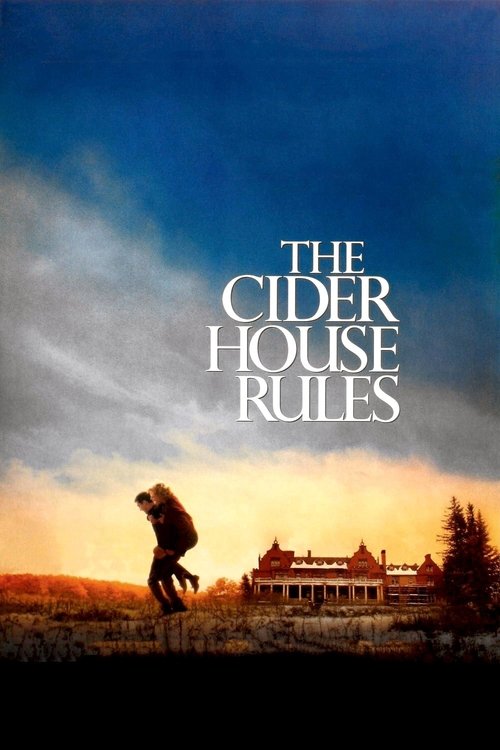
The Cider House Rules
Homer is an orphan who was never adopted, becoming the favorite of orphanage director Dr. Larch. Dr. Larch imparts his full medical knowledge on Homer, who becomes a skilled, albeit unlicensed, physician. But Homer yearns for a self-chosen life outside the orphanage. What will Homer learn about life and love in the cider house? What of the destiny that Dr. Larch has planned for him?
Despite a mid-range budget of $24.0M, The Cider House Rules became a commercial success, earning $88.5M worldwide—a 269% return.
2 Oscars. 8 wins & 30 nominations


Plot Structure
Story beats plotted across runtime


Narrative Arc
Emotional journey through the story's key moments
Story Circle
Blueprint 15-beat structure
Arcplot Score Breakdown
Weighted: Precision (70%) + Arc (15%) + Theme (15%)
The Cider House Rules (1999) reveals carefully calibrated plot construction, characteristic of Lasse Hallström's storytelling approach. This structural analysis examines how the film's 15-point plot structure maps to proven narrative frameworks across 2 hours and 6 minutes. With an Arcplot score of 7.5, the film showcases strong structural fundamentals.
Structural Analysis
The Status Quo at 1 minutes (1% through the runtime) establishes Homer Wells reads "David Copperfield" to the boys at St. Cloud's orphanage, establishing his role as the eternal orphan who never leaves, trained by Dr. Larch to be an unlicensed obstetrician in this isolated Maine institution.. Notably, this early placement immediately immerses viewers in the story world.
The inciting incident occurs at 17 minutes when Wally Worthington and Candy Kendall arrive at St. Cloud's for an abortion. They represent the outside world Homer has never experienced - young, glamorous, free, from the ocean coast. Wally casually invites Homer to come work at his family's apple orchard.. At 14% through the film, this Disruption is delayed, allowing extended setup of the story world. This beat shifts the emotional landscape, launching the protagonist into the central conflict.
The First Threshold at 32 minutes marks the transition into Act II, occurring at 25% of the runtime. This indicates the protagonist's commitment to Homer chooses to leave St. Cloud's with Wally and Candy, departing for the ocean and the apple orchard. Dr. Larch watches him go with deep sadness. Homer actively chooses to leave his only home and enter the world., moving from reaction to action.
At 63 minutes, the Midpoint arrives at 50% of the runtime—precisely centered, creating perfect narrative symmetry. Structural examination shows that this crucial beat News arrives that Wally's plane was shot down over Burma and he is missing, presumed dead. This false defeat removes the barrier between Homer and Candy, and they begin a full relationship, but it's built on tragedy and guilt., fundamentally raising what's at risk. The emotional intensity shifts, dividing the narrative into clear before-and-after phases.
The Collapse moment at 93 minutes (74% through) represents the emotional nadir. Here, Wally returns alive but paralyzed. Homer's dream of a life with Candy dies. Simultaneously, Rose Rose reveals she is pregnant from her father's abuse and begs Homer for help. Homer faces his darkest moment: lose Candy forever and confront his absolute moral position on abortion., shows the protagonist at their lowest point. This beat's placement in the final quarter sets up the climactic reversal.
The Second Threshold at 101 minutes initiates the final act resolution at 80% of the runtime. Homer receives word that Dr. Larch has died from an ether overdose. The board wants Homer to return as the new doctor of St. Cloud's. Homer synthesizes his two worlds: he can use his medical skills AND choose his own path - by choosing to return to St. Cloud's, this time on his own terms., demonstrating the transformation achieved throughout the journey.
Emotional Journey
The Cider House Rules's emotional architecture traces a deliberate progression across 15 carefully calibrated beats.
Narrative Framework
This structural analysis employs structural analysis methodology used to understand storytelling architecture. By mapping The Cider House Rules against these established plot points, we can identify how Lasse Hallström utilizes or subverts traditional narrative conventions. The plot point approach reveals not only adherence to structural principles but also creative choices that distinguish The Cider House Rules within the drama genre.
Lasse Hallström's Structural Approach
Among the 12 Lasse Hallström films analyzed on Arcplot, the average structural score is 7.0, demonstrating varied approaches to story architecture. The Cider House Rules represents one of the director's most structurally precise works. For comparative analysis, explore the complete Lasse Hallström filmography.
Comparative Analysis
Additional drama films include After Thomas, South Pacific and Dirty Dancing: Havana Nights. For more Lasse Hallström analyses, see Casanova, A Dog's Purpose and Something to Talk About.
Plot Points by Act
Act I
SetupStatus Quo
Homer Wells reads "David Copperfield" to the boys at St. Cloud's orphanage, establishing his role as the eternal orphan who never leaves, trained by Dr. Larch to be an unlicensed obstetrician in this isolated Maine institution.
Theme
Dr. Larch tells Homer: "Here in St. Cloud's, I expect everyone to be of use." The theme of being useful versus following your own path, and the rules we choose to live by versus the rules imposed on us.
Worldbuilding
We see the daily routine at St. Cloud's: Homer assisting with births and abortions, his failed adoptions, his relationship with Dr. Larch as father figure, and the moral complexity of their illegal but necessary work. Homer refuses to perform abortions despite his training.
Disruption
Wally Worthington and Candy Kendall arrive at St. Cloud's for an abortion. They represent the outside world Homer has never experienced - young, glamorous, free, from the ocean coast. Wally casually invites Homer to come work at his family's apple orchard.
Resistance
Homer debates leaving St. Cloud's. Dr. Larch discourages him, wanting Homer to take over the orphanage. Homer struggles with his desire to see the world versus his loyalty to Larch and fear of the unknown. He has never left St. Cloud's in his entire life.
Act II
ConfrontationFirst Threshold
Homer chooses to leave St. Cloud's with Wally and Candy, departing for the ocean and the apple orchard. Dr. Larch watches him go with deep sadness. Homer actively chooses to leave his only home and enter the world.
Mirror World
Homer experiences the ocean for the first time with Candy, a transcendent moment. Candy becomes his Mirror World character - she represents life, love, and the world beyond rules. Their attraction is immediate despite her relationship with Wally.
Premise
Homer explores his new life at the apple orchard: working the harvest, befriending the migrant workers (especially Mr. Rose), learning about cider-making, and falling deeper in love with Candy while Wally is deployed to war. He experiences freedom and normalcy for the first time.
Midpoint
News arrives that Wally's plane was shot down over Burma and he is missing, presumed dead. This false defeat removes the barrier between Homer and Candy, and they begin a full relationship, but it's built on tragedy and guilt.
Opposition
Homer and Candy's relationship deepens but is shadowed by guilt. Homer discovers Mr. Rose is sexually abusing his daughter Rose Rose. The workers live by "their own rules" (the cider house rules they cannot read). Homer is forced to confront that his medical skills are needed but he still refuses to perform abortions.
Collapse
Wally returns alive but paralyzed. Homer's dream of a life with Candy dies. Simultaneously, Rose Rose reveals she is pregnant from her father's abuse and begs Homer for help. Homer faces his darkest moment: lose Candy forever and confront his absolute moral position on abortion.
Crisis
Homer performs the abortion for Rose Rose, breaking his own rule when confronted with the reality of her suffering. He realizes Dr. Larch was right - sometimes being useful means breaking rules. He processes that Candy will return to Wally and he must leave the orchard.
Act III
ResolutionSecond Threshold
Homer receives word that Dr. Larch has died from an ether overdose. The board wants Homer to return as the new doctor of St. Cloud's. Homer synthesizes his two worlds: he can use his medical skills AND choose his own path - by choosing to return to St. Cloud's, this time on his own terms.
Synthesis
Homer says goodbye to Candy (they release each other with love), returns to St. Cloud's, and assumes his role as the orphanage doctor. He will perform abortions, honoring Larch's legacy but on his own terms. He completes the lie Larch created about his fake medical credentials.
Transformation
Homer reads "David Copperfield" to the orphans, exactly as he did at the beginning, but now as Dr. Wells, the master of his own fate. He has returned home transformed, choosing to be useful while living by his own rules. He says goodnight to the boys with Larch's blessing: "Good night, you Princes of Maine, you Kings of New England."