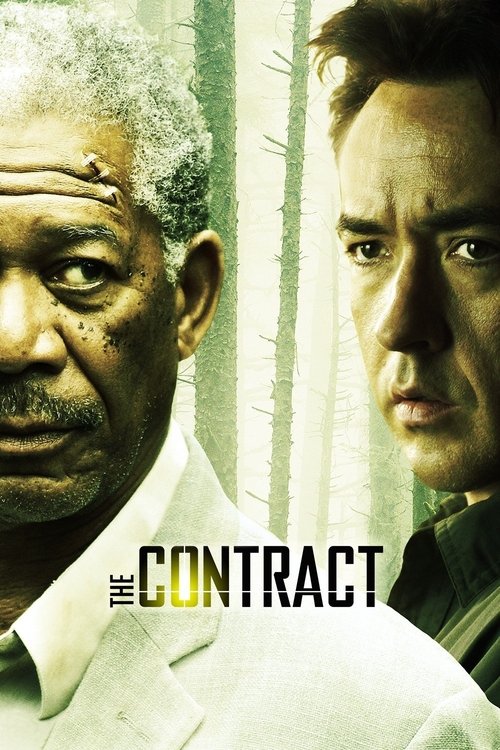
The Contract
Attempting to recover from a recent family trauma by escaping into the woods for a peaceful hiking trip, an ex-lawman and his young son stumble across a dangerous contract killer.
The film financial setback against its respectable budget of $25.0M, earning $5.5M globally (-78% loss). While initial box office returns were modest, the film has gained appreciation for its compelling narrative within the drama genre.


Plot Structure
Story beats plotted across runtime


Narrative Arc
Emotional journey through the story's key moments
Story Circle
Blueprint 15-beat structure
Arcplot Score Breakdown
Weighted: Precision (70%) + Arc (15%) + Theme (15%)
The Contract (2006) exemplifies carefully calibrated plot construction, characteristic of Bruce Beresford's storytelling approach. This structural analysis examines how the film's 15-point plot structure maps to proven narrative frameworks across 1 hour and 36 minutes. With an Arcplot score of 7.6, the film showcases strong structural fundamentals.
Characters
Cast & narrative archetypes

Ray Keene
Frank Carden
Chris Keene
Miles Carden
Lochlan
Main Cast & Characters
Ray Keene
Played by John Cusack
A widowed ex-lawman turned high school teacher on a camping trip with his son, forced to protect his family from escaped criminals.
Frank Carden
Played by Morgan Freeman
A professional assassin being transported to trial who escapes custody and becomes pursued through the wilderness.
Chris Keene
Played by Jamie Anderson
Ray's teenage son struggling with his father's strict discipline while on a wilderness camping trip.
Miles Carden
Played by Megan Dodds
Frank's son and a member of the criminal team attempting to rescue his father from custody.
Lochlan
Played by Jonathan Hyde
A ruthless mercenary leading the team attempting to rescue Frank Carden from federal custody.
Structural Analysis
The Status Quo at 1 minutes (2% through the runtime) establishes Ray Keene, a widowed ex-teacher, struggles to connect with his rebellious teenage son Chris as they prepare for a hiking trip in the wilderness. Their relationship is strained by grief and distance.. Significantly, this early placement immediately immerses viewers in the story world.
The inciting incident occurs at 12 minutes when Frank Carden's transport convoy crashes in the wilderness. Ray and Chris discover the injured assassin and wounded federal agent, pulling them into a deadly situation beyond their control.. At 12% through the film, this Disruption aligns precisely with traditional story structure. This beat shifts the emotional landscape, launching the protagonist into the central conflict.
The First Threshold at 24 minutes marks the transition into Act II, occurring at 25% of the runtime. This reveals the protagonist's commitment to Ray makes the active choice to take custody of the injured Carden and attempt to bring him to authorities, despite Chris's protests. This decision commits them to a dangerous journey through hostile wilderness with a lethal prisoner., moving from reaction to action.
At 48 minutes, the Midpoint arrives at 50% of the runtime—precisely centered, creating perfect narrative symmetry. The analysis reveals that this crucial beat Carden's men catch up and attack. Ray and Chris survive the first major confrontation, but realize the stakes are far higher than expected—these mercenaries will kill everyone to free their boss. The cat-and-mouse game intensifies; escape seems impossible., fundamentally raising what's at risk. The emotional intensity shifts, dividing the narrative into clear before-and-after phases.
The Collapse moment at 71 minutes (74% through) represents the emotional nadir. Here, Ray is severely wounded protecting Chris from Carden's men. Their supplies are lost, Chris is captured as leverage, and Carden appears to have won. Ray faces the death of his mission and potentially his son—his worst fear realized through his own inadequacy., illustrates the protagonist at their lowest point. This beat's placement in the final quarter sets up the climactic reversal.
The Second Threshold at 76 minutes initiates the final act resolution at 80% of the runtime. Ray gains clarity: he uses the wilderness skills he's been teaching Chris against the mercenaries. Understanding Carden's psychology and the terrain, he formulates a plan to turn his weaknesses into advantages and rescue his son., demonstrating the transformation achieved throughout the journey.
Emotional Journey
The Contract's emotional architecture traces a deliberate progression across 15 carefully calibrated beats.
Narrative Framework
This structural analysis employs proven narrative structure principles that track dramatic progression. By mapping The Contract against these established plot points, we can identify how Bruce Beresford utilizes or subverts traditional narrative conventions. The plot point approach reveals not only adherence to structural principles but also creative choices that distinguish The Contract within the drama genre.
Bruce Beresford's Structural Approach
Among the 6 Bruce Beresford films analyzed on Arcplot, the average structural score is 7.3, reflecting strong command of classical structure. The Contract represents one of the director's most structurally precise works. For comparative analysis, explore the complete Bruce Beresford filmography.
Comparative Analysis
Additional drama films include After Thomas, South Pacific and Dirty Dancing: Havana Nights. For more Bruce Beresford analyses, see Mao’s Last Dancer, Driving Miss Daisy and Double Jeopardy.
Plot Points by Act
Act I
SetupStatus Quo
Ray Keene, a widowed ex-teacher, struggles to connect with his rebellious teenage son Chris as they prepare for a hiking trip in the wilderness. Their relationship is strained by grief and distance.
Theme
A fellow hiker mentions the importance of trust and responsibility in the wilderness, hinting at the film's central theme: redemption requires facing danger and choosing to protect others despite personal cost.
Worldbuilding
Establishment of Ray and Chris's fractured father-son relationship, their wilderness camping trip, and parallel introduction of Frank Carden, a professional assassin being transported by federal agents through the same mountain region.
Disruption
Frank Carden's transport convoy crashes in the wilderness. Ray and Chris discover the injured assassin and wounded federal agent, pulling them into a deadly situation beyond their control.
Resistance
Ray debates whether to help or flee. The dying agent warns him about Carden's danger. Ray must decide whether to risk his son's safety by helping transport the prisoner or abandon their moral duty. Chris wants to leave; Ray feels obligated to help.
Act II
ConfrontationFirst Threshold
Ray makes the active choice to take custody of the injured Carden and attempt to bring him to authorities, despite Chris's protests. This decision commits them to a dangerous journey through hostile wilderness with a lethal prisoner.
Mirror World
Frank Carden becomes the dark mirror to Ray—both are fathers, but Carden represents the corrupted version who abandoned morality. Their conversations reveal what Ray could become if he continues to emotionally abandon his son.
Premise
The survival thriller premise plays out: Ray and Chris navigate treacherous terrain while guarding Carden, who manipulates them psychologically. Meanwhile, Carden's ruthless team hunts them through the forest. Father and son must work together to survive.
Midpoint
Carden's men catch up and attack. Ray and Chris survive the first major confrontation, but realize the stakes are far higher than expected—these mercenaries will kill everyone to free their boss. The cat-and-mouse game intensifies; escape seems impossible.
Opposition
Relentless pursuit through the wilderness. Ray's civilian skills prove inadequate against professional killers. Carden exploits every weakness, turning Chris against his father. The mercenaries close in from all sides, picking off allies and cutting off escape routes.
Collapse
Ray is severely wounded protecting Chris from Carden's men. Their supplies are lost, Chris is captured as leverage, and Carden appears to have won. Ray faces the death of his mission and potentially his son—his worst fear realized through his own inadequacy.
Crisis
Ray, wounded and alone, confronts his failures as a father and protector. He must find the will to continue despite overwhelming odds. The darkness forces him to synthesize survival skills with paternal love—becoming the father Chris needs.
Act III
ResolutionSecond Threshold
Ray gains clarity: he uses the wilderness skills he's been teaching Chris against the mercenaries. Understanding Carden's psychology and the terrain, he formulates a plan to turn his weaknesses into advantages and rescue his son.
Synthesis
Ray executes his plan, using wilderness tactics to systematically eliminate Carden's team. Father and son reunite and work together seamlessly, their bond restored through shared survival. Final confrontation with Carden where Ray chooses justice over revenge.
Transformation
Ray and Chris emerge from the wilderness transformed. Chris looks at his father with newfound respect and understanding. Ray has proven himself as protector and reconnected with his son, moving beyond grief into renewed purpose as a father.