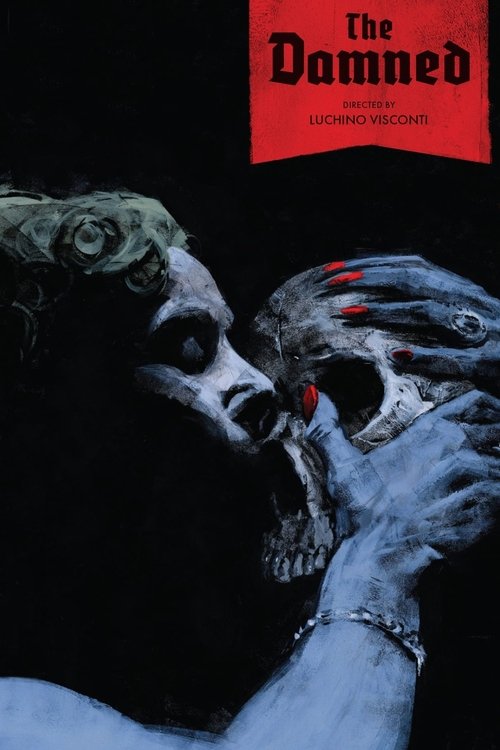
The Damned
In the early days of Nazi Germany, a powerful noble family must adjust to life under the new dictatorship regime.
Despite its tight budget of $2.0M, The Damned became a solid performer, earning $5.0M worldwide—a 150% return.
Nominated for 1 Oscar. 5 wins & 12 nominations
Plot Structure
Story beats plotted across runtime


Narrative Arc
Emotional journey through the story's key moments
Story Circle
Blueprint 15-beat structure
Arcplot Score Breakdown
Weighted: Precision (70%) + Arc (15%) + Theme (15%)
The Damned (1969) exemplifies strategically placed plot construction, characteristic of Luchino Visconti's storytelling approach. This structural analysis examines how the film's 15-point plot structure maps to proven narrative frameworks across 2 hours and 38 minutes. With an Arcplot score of 7.0, the film balances conventional beats with creative variation.
Characters
Cast & narrative archetypes

Martin von Essenbeck
Friedrich Bruckmann
Sophie von Essenbeck
Aschenbach
Herbert Thallmann
Konstantin von Essenbeck
Main Cast & Characters
Martin von Essenbeck
Played by Helmut Berger
Decadent heir to the Essenbeck steel dynasty who descends into depravity and becomes a Nazi tool
Friedrich Bruckmann
Played by Dirk Bogarde
Ambitious factory manager who manipulates the family for power and collaborates with the SS
Sophie von Essenbeck
Played by Ingrid Thulin
Martin's mother and Friedrich's lover, caught between maternal love and complicity in evil
Aschenbach
Played by Helmut Griem
SS officer who orchestrates the corruption and takeover of the Essenbeck empire
Herbert Thallmann
Played by Umberto Orsini
Jewish family associate and voice of conscience who opposes Nazi collaboration
Konstantin von Essenbeck
Played by Reinhard Kolldehoff
SA officer and family member purged during the Night of the Long Knives
Structural Analysis
The Status Quo at 1 minutes (1% through the runtime) establishes The von Essenbeck family gathers at the patriarch Joachim's birthday celebration at their steel empire estate. The wealthy industrialist dynasty appears united, though tension simmers beneath the surface of this seemingly prosperous German family on the eve of the Reichstag fire.. The analysis reveals that this early placement immediately immerses viewers in the story world.
The inciting incident occurs at 21 minutes when Patriarch Joachim von Essenbeck is murdered during the night of the Reichstag fire. The assassination throws the family into chaos and initiates a brutal power struggle for control of the steel empire, with Nazi influence now directly affecting the family's fate.. At 13% through the film, this Disruption is delayed, allowing extended setup of the story world. This beat shifts the emotional landscape, launching the protagonist into the central conflict.
The First Threshold at 41 minutes marks the transition into Act II, occurring at 26% of the runtime. This indicates the protagonist's commitment to Friedrich formally accepts Aschenbach's offer to align the von Essenbeck steel works with Nazi interests, making a Faustian bargain. He agrees to collaborate with the regime in exchange for power, crossing an irreversible moral threshold that binds the family's fate to the Third Reich., moving from reaction to action.
At 80 minutes, the Midpoint arrives at 50% of the runtime—precisely centered, creating perfect narrative symmetry. Structural examination shows that this crucial beat The Night of the Long Knives sequence begins—the SS purges the SA in a brutal massacre. Konstantin, who aligned with the brownshirts, is murdered along with his SA allies in a scene of orgiastic violence at a lakeside retreat. Martin witnesses the carnage and is further corrupted by it, while the family's SA faction is eliminated, shifting power toward the SS and Aschenbach., fundamentally raising what's at risk. The emotional intensity shifts, dividing the narrative into clear before-and-after phases.
The Collapse moment at 119 minutes (75% through) represents the emotional nadir. Here, Martin confronts his mother Sophie with the full horror of what she has become and what he now is. The incestuous violation has shattered her completely. Friedrich realizes his Faustian bargain has made him powerless—Martin and Aschenbach control everything. The dream of power through collaboration has led only to degradation and destruction., reveals the protagonist at their lowest point. This beat's placement in the final quarter sets up the climactic reversal.
The Second Threshold at 131 minutes initiates the final act resolution at 83% of the runtime. Martin forces Sophie and Friedrich into a grotesque wedding ceremony—a mockery of union that seals their doom. This perverse ritual, overseen by SS officers, represents Martin's complete triumph and the total corruption of the family. It is the threshold to the family's final annihilation., demonstrating the transformation achieved throughout the journey.
Emotional Journey
The Damned's emotional architecture traces a deliberate progression across 15 carefully calibrated beats.
Narrative Framework
This structural analysis employs proven narrative structure principles that track dramatic progression. By mapping The Damned against these established plot points, we can identify how Luchino Visconti utilizes or subverts traditional narrative conventions. The plot point approach reveals not only adherence to structural principles but also creative choices that distinguish The Damned within the drama genre.
Luchino Visconti's Structural Approach
Among the 3 Luchino Visconti films analyzed on Arcplot, the average structural score is 6.8, demonstrating varied approaches to story architecture. The Damned represents one of the director's most structurally precise works. For comparative analysis, explore the complete Luchino Visconti filmography.
Comparative Analysis
Additional drama films include After Thomas, South Pacific and Dirty Dancing: Havana Nights. For more Luchino Visconti analyses, see The Innocent, Rocco and His Brothers.
Plot Points by Act
Act I
SetupStatus Quo
The von Essenbeck family gathers at the patriarch Joachim's birthday celebration at their steel empire estate. The wealthy industrialist dynasty appears united, though tension simmers beneath the surface of this seemingly prosperous German family on the eve of the Reichstag fire.
Theme
Konstantin remarks about the necessity of adapting to survive in changing times, foreshadowing the moral corruption theme—that power and survival in a fascist state require the sacrifice of one's humanity and family bonds.
Worldbuilding
The opulent world of the von Essenbeck steel dynasty is established. Patriarch Joachim presides over a birthday gathering where family members jockey for position: the decadent grandson Martin performs in drag, ambitious widow Sophie schemes with her lover Friedrich, and various uncles plot for control of the family empire. The Reichstag burns in the background, signaling the Nazi rise.
Disruption
Patriarch Joachim von Essenbeck is murdered during the night of the Reichstag fire. The assassination throws the family into chaos and initiates a brutal power struggle for control of the steel empire, with Nazi influence now directly affecting the family's fate.
Resistance
The family scrambles to position themselves after Joachim's death. Friedrich Bruckmann, Sophie's lover, emerges as a contender for power but faces opposition from Herbert, who refuses to collaborate with the Nazis and flees. SS officer Aschenbach begins manipulating the family, offering Friedrich guidance on how to navigate Nazi politics while secretly grooming Martin as a potential puppet.
Act II
ConfrontationFirst Threshold
Friedrich formally accepts Aschenbach's offer to align the von Essenbeck steel works with Nazi interests, making a Faustian bargain. He agrees to collaborate with the regime in exchange for power, crossing an irreversible moral threshold that binds the family's fate to the Third Reich.
Mirror World
Martin's disturbed psychology is revealed through his predatory relationship with a young Jewish girl. His perverse, corrupted nature mirrors the moral decay of Nazi Germany itself—he embodies the theme that fascism enables and rewards the most depraved aspects of human nature.
Premise
The von Essenbeck family descends into moral corruption as they compete for power under Nazi rule. Friedrich consolidates control with Sophie's help, eliminating rivals. Martin grows increasingly depraved and dangerous. Konstantin aligns with the SA brownshirts. The family steel works prospers under Nazi contracts, but each member sells more of their soul. Aschenbach watches and manipulates, waiting for the right moment.
Midpoint
The Night of the Long Knives sequence begins—the SS purges the SA in a brutal massacre. Konstantin, who aligned with the brownshirts, is murdered along with his SA allies in a scene of orgiastic violence at a lakeside retreat. Martin witnesses the carnage and is further corrupted by it, while the family's SA faction is eliminated, shifting power toward the SS and Aschenbach.
Opposition
Following the purge, Martin grows increasingly powerful and unhinged. He rapes his own mother Sophie in a scene of ultimate degradation, psychologically destroying her and asserting dominance. Friedrich's position weakens as Martin, now fully aligned with Aschenbach and the SS, becomes the true power. The family's remaining members are eliminated or neutralized one by one through blackmail, murder, and manipulation.
Collapse
Martin confronts his mother Sophie with the full horror of what she has become and what he now is. The incestuous violation has shattered her completely. Friedrich realizes his Faustian bargain has made him powerless—Martin and Aschenbach control everything. The dream of power through collaboration has led only to degradation and destruction.
Crisis
Sophie exists in a state of living death, destroyed by her son's assault and the collapse of all her ambitions. Friedrich is trapped, his usefulness exhausted. Martin, now fully a monster shaped by fascism, prepares his final moves. Aschenbach orchestrates the endgame, having successfully corrupted and destroyed the family from within.
Act III
ResolutionSecond Threshold
Martin forces Sophie and Friedrich into a grotesque wedding ceremony—a mockery of union that seals their doom. This perverse ritual, overseen by SS officers, represents Martin's complete triumph and the total corruption of the family. It is the threshold to the family's final annihilation.
Synthesis
The forced wedding proceeds as a nightmarish ceremony. Martin, now wearing an SS uniform, presides over the destruction of his own parents. Sophie and Friedrich, the schemers who murdered Joachim to gain power, are given poison capsules. The von Essenbeck dynasty ends not with a noble fall but with complete moral annihilation, consumed by the very evil they embraced.
Transformation
Sophie and Friedrich take the poison, dying together in their wedding clothes. Martin, in full SS regalia, stands triumphant—but he is no longer human, merely an instrument of Nazi evil. The final image inverts the opening birthday celebration: where the family once gathered in corrupt opulence, now only death and fascist uniforms remain. The damned have completed their damnation.