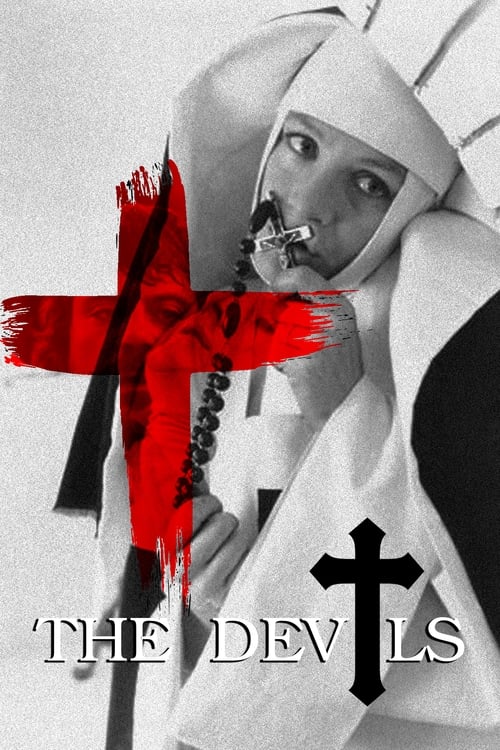
The Devils
Father Urbain Grandier’s unorthodox views of sex and religion make him a polarizing figure in 17th-century France. His outspokenness has amassed a passionate following of nuns and a respected reputation for protecting the city of Loudon from corruption. Grandier’s influence is then undermined following a sexually repressed nun’s accusation of witchcraft.
Despite its limited budget of $2.0M, The Devils became a box office success, earning $11.0M worldwide—a 450% return. The film's bold vision connected with viewers, demonstrating that strong storytelling can transcend budget limitations.




Plot Structure
Story beats plotted across runtime


Narrative Arc
Emotional journey through the story's key moments
Story Circle
Blueprint 15-beat structure
Arcplot Score Breakdown
Weighted: Precision (70%) + Arc (15%) + Theme (15%)
The Devils (1971) demonstrates deliberately positioned story structure, characteristic of Ken Russell's storytelling approach. This structural analysis examines how the film's 15-point plot structure maps to proven narrative frameworks across 1 hour and 54 minutes. With an Arcplot score of 7.7, the film showcases strong structural fundamentals.
Characters
Cast & narrative archetypes

Urbain Grandier
Sister Jeanne
Baron de Laubardemont
Father Mignon
Father Barre
Madeleine de Brou
Philippe Trincant
Main Cast & Characters
Urbain Grandier
Played by Oliver Reed
A charismatic priest in Loudun whose libertine lifestyle and political defiance lead to accusations of witchcraft and demonic possession.
Sister Jeanne
Played by Vanessa Redgrave
The hunchbacked Mother Superior of the Ursuline convent who becomes obsessively fixated on Grandier, triggering mass hysteria.
Baron de Laubardemont
Played by Dudley Sutton
Cardinal Richelieu's ruthless agent sent to destroy Loudun's fortifications and eliminate Grandier as a political obstacle.
Father Mignon
Played by Murray Melvin
A corrupt, zealous priest who orchestrates the exorcisms and manipulates the nuns' hysteria for political gain.
Father Barre
Played by Michael Gothard
A fanatical witch-hunter and exorcist brought in to extract confessions from the possessed nuns through torture.
Madeleine de Brou
Played by Gemma Jones
A gentle young woman who genuinely loves Grandier and secretly marries him, representing his capacity for true affection.
Philippe Trincant
Played by Max Adrian
The jealous town magistrate whose daughter was seduced by Grandier, seeking revenge through legal persecution.
Structural Analysis
The Status Quo at 1 minutes (1% through the runtime) establishes The fortified city of Loudun is introduced with its imposing walls intact. Father Grandier presides over the city as its charismatic spiritual and political leader, enjoying power, influence, and secret romantic liaisons while the Protestant-Catholic conflict simmers in France.. Notably, this early placement immediately immerses viewers in the story world.
The inciting incident occurs at 14 minutes when Governor Sainte-Marthe dies, and Grandier successfully argues to King Louis XIII that Loudun's walls should stand as protection. This victory makes Grandier a target of Richelieu, who now has personal motivation to destroy him alongside his political goals.. At 12% through the film, this Disruption aligns precisely with traditional story structure. This beat shifts the emotional landscape, launching the protagonist into the central conflict.
The First Threshold at 29 minutes marks the transition into Act II, occurring at 25% of the runtime. This reveals the protagonist's commitment to When Grandier refuses Sister Jeanne's request that he become the convent's confessor, her love transforms into vengeful hatred. She begins claiming Grandier has possessed her with demons, setting the witch trial machinery in motion. Grandier's rejection seals his fate., moving from reaction to action.
At 57 minutes, the Midpoint arrives at 50% of the runtime—precisely centered, creating perfect narrative symmetry. Structural examination shows that this crucial beat Grandier is formally accused of witchcraft based on the nuns' testimony. The exorcisms become public spectacles of mass hysteria. This false defeat shows Grandier that he cannot escape through reason or faith alone - the political machinery has already determined his guilt., fundamentally raising what's at risk. The emotional intensity shifts, dividing the narrative into clear before-and-after phases.
The Collapse moment at 86 minutes (75% through) represents the emotional nadir. Here, Grandier is found guilty of witchcraft and condemned to death by burning. His legs are crushed in torture to extract a confession he refuses to give. The complete collapse of justice reveals the true nature of the persecution - not about demons, but about destroying opposition to state power., illustrates the protagonist at their lowest point. This beat's placement in the final quarter sets up the climactic reversal.
The Second Threshold at 91 minutes initiates the final act resolution at 80% of the runtime. Grandier accepts his death with grace, forgiving his executioners and maintaining his innocence. His spiritual transcendence in the face of institutionalized evil represents his final triumph - they can destroy his body but not his soul or the truth of his resistance., demonstrating the transformation achieved throughout the journey.
Emotional Journey
The Devils's emotional architecture traces a deliberate progression across 15 carefully calibrated beats.
Narrative Framework
This structural analysis employs structural analysis methodology used to understand storytelling architecture. By mapping The Devils against these established plot points, we can identify how Ken Russell utilizes or subverts traditional narrative conventions. The plot point approach reveals not only adherence to structural principles but also creative choices that distinguish The Devils within the drama genre.
Ken Russell's Structural Approach
Among the 2 Ken Russell films analyzed on Arcplot, the average structural score is 7.3, reflecting strong command of classical structure. The Devils represents one of the director's most structurally precise works. For comparative analysis, explore the complete Ken Russell filmography.
Comparative Analysis
Additional drama films include After Thomas, South Pacific and Dirty Dancing: Havana Nights. For more Ken Russell analyses, see Altered States.
Plot Points by Act
Act I
SetupStatus Quo
The fortified city of Loudun is introduced with its imposing walls intact. Father Grandier presides over the city as its charismatic spiritual and political leader, enjoying power, influence, and secret romantic liaisons while the Protestant-Catholic conflict simmers in France.
Theme
Cardinal Richelieu declares his intention to consolidate power by destroying Protestant strongholds and fortified cities, revealing the theme: the corruption of religious authority used as a tool for political control, and the destruction of those who stand in the way of centralized power.
Worldbuilding
The complex world of 17th century Loudun is established: Grandier's position of power, his libertine behavior with women, the Ursuline convent led by the hunchbacked Sister Jeanne who obsesses over Grandier from afar, and the political machinations of Richelieu's France seeking to tear down city walls.
Disruption
Governor Sainte-Marthe dies, and Grandier successfully argues to King Louis XIII that Loudun's walls should stand as protection. This victory makes Grandier a target of Richelieu, who now has personal motivation to destroy him alongside his political goals.
Resistance
Grandier attempts reform, secretly marrying Madeleine despite his priestly vows. Sister Jeanne's obsession with Grandier intensifies into delusion. Baron de Laubardemont arrives as Richelieu's agent, seeking grounds to destroy Grandier and the city's defenses.
Act II
ConfrontationFirst Threshold
When Grandier refuses Sister Jeanne's request that he become the convent's confessor, her love transforms into vengeful hatred. She begins claiming Grandier has possessed her with demons, setting the witch trial machinery in motion. Grandier's rejection seals his fate.
Mirror World
Grandier's genuine love for Madeleine represents his potential for redemption and authentic faith. Their secret marriage embodies the sincere spiritual connection that stands in stark contrast to the institutional corruption of the Church and the hysteria of the convent.
Premise
The possession hysteria escalates as the nuns begin public displays of demonic behavior. Father Barre and witch-hunter Mignon arrive to conduct exorcisms. The spectacle becomes entertainment for the masses while serving as political theater for Richelieu's agents gathering evidence against Grandier.
Midpoint
Grandier is formally accused of witchcraft based on the nuns' testimony. The exorcisms become public spectacles of mass hysteria. This false defeat shows Grandier that he cannot escape through reason or faith alone - the political machinery has already determined his guilt.
Opposition
The forces against Grandier intensify. Public exorcisms grow increasingly grotesque. Grandier's attempts to defend himself fail as witnesses are intimidated or bought. The trial is a farce with predetermined outcomes. Laubardemont extracts confessions through torture of Grandier's supporters.
Collapse
Grandier is found guilty of witchcraft and condemned to death by burning. His legs are crushed in torture to extract a confession he refuses to give. The complete collapse of justice reveals the true nature of the persecution - not about demons, but about destroying opposition to state power.
Crisis
In his final hours, Grandier achieves spiritual clarity. Despite horrific torture, he refuses to confess to crimes he did not commit. His dignity in suffering exposes the moral bankruptcy of his accusers and transforms his execution into martyrdom.
Act III
ResolutionSecond Threshold
Grandier accepts his death with grace, forgiving his executioners and maintaining his innocence. His spiritual transcendence in the face of institutionalized evil represents his final triumph - they can destroy his body but not his soul or the truth of his resistance.
Synthesis
Grandier is burned at the stake before the crowd. The walls of Loudun are demolished as Richelieu achieves his political goal. Sister Jeanne, confronted with the reality of what her accusations wrought, is left hollow. The Church's triumph is revealed as moral defeat.
Transformation
Madeleine walks through the rubble of Loudun's destroyed walls carrying a charred bone relic of Grandier. The city lies broken and defenseless. The institutional Church has won but stands morally condemned. The transformation is tragic - authentic faith destroyed by corrupt power.