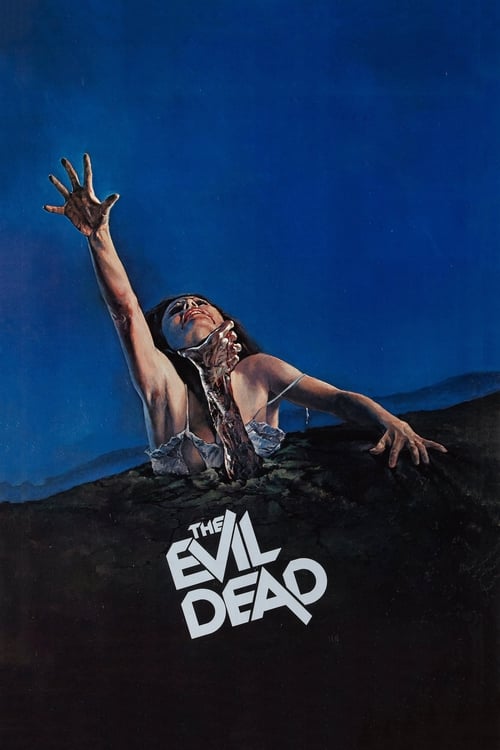
The Evil Dead
In 1979, a group of college students find a Sumerian Book of the Dead in an old wilderness cabin they've rented for a weekend getaway.
Despite its minimal budget of $350K, The Evil Dead became a massive hit, earning $29.6M worldwide—a remarkable 8361% return. The film's unconventional structure connected with viewers, confirming that strong storytelling can transcend budget limitations.
5 wins & 1 nomination


Plot Structure
Story beats plotted across runtime


Narrative Arc
Emotional journey through the story's key moments
Story Circle
Blueprint 15-beat structure
Arcplot Score Breakdown
Weighted: Precision (70%) + Arc (15%) + Theme (15%)
The Evil Dead (1981) reveals deliberately positioned narrative design, characteristic of Sam Raimi's storytelling approach. This structural analysis examines how the film's 15-point plot structure maps to proven narrative frameworks across 1 hour and 25 minutes. With an Arcplot score of 7.1, the film balances conventional beats with creative variation.
Characters
Cast & narrative archetypes

Ash Williams
Linda
Cheryl Williams
Scott
Shelly
Main Cast & Characters
Ash Williams
Played by Bruce Campbell
A college student who becomes the sole survivor fighting against demonic forces at a remote cabin
Linda
Played by Betsy Baker
Ash's girlfriend who becomes possessed by a Kandarian demon
Cheryl Williams
Played by Ellen Sandweiss
Ash's sister who is the first to be attacked and possessed by the evil forces
Scott
Played by Richard DeManincor
Ash's friend who takes a pragmatic but brutal approach to the demonic attacks
Shelly
Played by Theresa Tilly
Scott's girlfriend who becomes another victim of the demonic possession
Structural Analysis
The Status Quo at 1 minutes (1% through the runtime) establishes Five college friends—Ash, Linda, Cheryl, Scott, and Shelly—drive through rural Tennessee toward a remote cabin for a weekend getaway, establishing youthful innocence and carefree adventure.. Structural examination shows that this early placement immediately immerses viewers in the story world.
The inciting incident occurs at 11 minutes when The cellar door violently flies open on its own, revealing a dark basement below. The group discovers the Naturon Demonto (Book of the Dead) and a tape recorder with Professor Knowby's recordings in the cellar.. At 13% through the film, this Disruption is delayed, allowing extended setup of the story world. This beat shifts the emotional landscape, launching the protagonist into the central conflict.
The First Threshold at 21 minutes marks the transition into Act II, occurring at 25% of the runtime. This shows the protagonist's commitment to Cheryl ventures alone into the woods to investigate strange noises and is attacked and violated by the possessed forest itself. She returns traumatized, but the group is now trapped—the bridge has been destroyed, and there is no escape., moving from reaction to action.
At 43 minutes, the Midpoint arrives at 50% of the runtime—precisely centered, creating perfect narrative symmetry. Structural examination shows that this crucial beat Linda becomes possessed by the Kandarian demon, turning Ash's girlfriend into a cackling, murderous Deadite. This is a false defeat—Ash's last emotional anchor is corrupted, and he must now face the possibility of killing the woman he loves., fundamentally raising what's at risk. The emotional intensity shifts, dividing the narrative into clear before-and-after phases.
The Collapse moment at 64 minutes (75% through) represents the emotional nadir. Here, Scott dies from his wounds, and Ash is forced to dismember the possessed Linda with a shovel and chainsaw after she rises again. He is now completely alone, every friend dead or transformed, covered in blood and pushed to psychological breaking point., shows the protagonist at their lowest point. This beat's placement in the final quarter sets up the climactic reversal.
The Second Threshold at 68 minutes initiates the final act resolution at 80% of the runtime. Ash discovers that destroying the Book of the Dead might stop the demons. Armed with this knowledge and finding the professor's shotgun, he commits to fighting back rather than succumbing to despair—choosing to survive through violent resistance., demonstrating the transformation achieved throughout the journey.
Emotional Journey
The Evil Dead's emotional architecture traces a deliberate progression across 15 carefully calibrated beats.
Narrative Framework
This structural analysis employs systematic plot point analysis that identifies crucial turning points. By mapping The Evil Dead against these established plot points, we can identify how Sam Raimi utilizes or subverts traditional narrative conventions. The plot point approach reveals not only adherence to structural principles but also creative choices that distinguish The Evil Dead within the horror genre.
Sam Raimi's Structural Approach
Among the 13 Sam Raimi films analyzed on Arcplot, the average structural score is 7.1, reflecting strong command of classical structure. The Evil Dead takes a more unconventional approach compared to the director's typical style. For comparative analysis, explore the complete Sam Raimi filmography.
Comparative Analysis
Additional horror films include Thinner, A Nightmare on Elm Street and Mary Reilly. For more Sam Raimi analyses, see Spider-Man 2, The Quick and the Dead and Oz the Great and Powerful.
Plot Points by Act
Act I
SetupStatus Quo
Five college friends—Ash, Linda, Cheryl, Scott, and Shelly—drive through rural Tennessee toward a remote cabin for a weekend getaway, establishing youthful innocence and carefree adventure.
Theme
The group jokes nervously about the isolated cabin and the creepy bridge, with Scott dismissing concerns about danger—foreshadowing that ignoring warnings and tampering with unknown forces leads to destruction.
Worldbuilding
The friends arrive at the decrepit cabin, explore its unsettling interior, and settle in for the night. The porch swing bangs mysteriously, and Cheryl experiences strange psychic disturbances while sketching, establishing the cabin's malevolent atmosphere.
Disruption
The cellar door violently flies open on its own, revealing a dark basement below. The group discovers the Naturon Demonto (Book of the Dead) and a tape recorder with Professor Knowby's recordings in the cellar.
Resistance
The group debates whether to play the tape recorder. Despite Cheryl's protests and growing unease, Scott plays the recording. Professor Knowby's voice recites passages from the Book of the Dead, inadvertently summoning the Kandarian demons in the forest.
Act II
ConfrontationFirst Threshold
Cheryl ventures alone into the woods to investigate strange noises and is attacked and violated by the possessed forest itself. She returns traumatized, but the group is now trapped—the bridge has been destroyed, and there is no escape.
Mirror World
Cheryl fully transforms into a Deadite, becoming the first of Ash's loved ones to turn demonic. Her possession forces Ash to confront the horror directly and establishes that no one is safe—friendship and love offer no protection from the evil.
Premise
The survivors attempt to contain the possessed Cheryl, locking her in the cellar. Shelly becomes possessed next and attacks Scott with a dagger. The group faces relentless supernatural assault as demons pick them off one by one, delivering the film's promise of visceral horror.
Midpoint
Linda becomes possessed by the Kandarian demon, turning Ash's girlfriend into a cackling, murderous Deadite. This is a false defeat—Ash's last emotional anchor is corrupted, and he must now face the possibility of killing the woman he loves.
Opposition
Ash struggles against the possessed Linda, eventually dragging her outside. Scott returns mortally wounded from attempting to find an escape route and dies. The Deadites intensify their psychological and physical assault on Ash, who is increasingly isolated and desperate.
Collapse
Scott dies from his wounds, and Ash is forced to dismember the possessed Linda with a shovel and chainsaw after she rises again. He is now completely alone, every friend dead or transformed, covered in blood and pushed to psychological breaking point.
Crisis
Ash barricades himself inside the cabin as reality warps around him. Blood pours from walls, the possessed corpses taunt him, and he begins to question his own sanity. He is utterly alone, exhausted, and seemingly without hope of survival.
Act III
ResolutionSecond Threshold
Ash discovers that destroying the Book of the Dead might stop the demons. Armed with this knowledge and finding the professor's shotgun, he commits to fighting back rather than succumbing to despair—choosing to survive through violent resistance.
Synthesis
Ash battles the reanimated corpses of Scott and Cheryl in a brutal final confrontation. He uses the fireplace to burn the Necronomicon, causing the Deadites to decompose in spectacular fashion. The evil appears to be vanquished as dawn approaches.
Transformation
Ash stumbles outside at dawn, the sole survivor, bloodied and traumatized. But in a final shock, an unseen evil force rushes through the forest and cabin directly at him—his scream cuts to black, suggesting the horror is far from over.