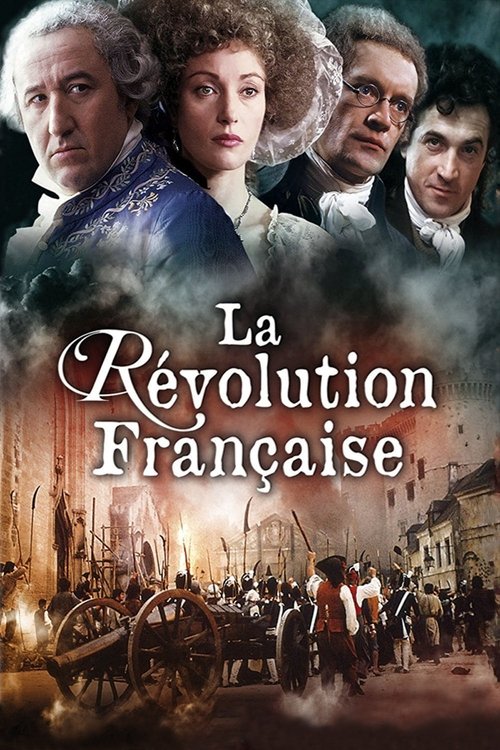
The French Revolution
A history of the French Revolution beginning from the decision of the king to convene the Etats-Generaux in 1789 in order to deal with France's debt problem. Part one spans the event until August 10, 1792 (when the King Louis XVI lost all authority and was imprisoned). Part two carries the story through the end of the terror in 1794.
The film financial setback against its moderate budget of $50.0M, earning $4.8M globally (-90% loss). While initial box office returns were modest, the film has gained appreciation for its unconventional structure within the drama genre.

Plot Structure
Story beats plotted across runtime


Narrative Arc
Emotional journey through the story's key moments
Story Circle
Blueprint 15-beat structure
Arcplot Score Breakdown
Weighted: Precision (70%) + Arc (15%) + Theme (15%)
The French Revolution (1989) exhibits precise story structure, characteristic of Richard T. Heffron's storytelling approach. This structural analysis examines how the film's 15-point plot structure maps to proven narrative frameworks across 5 hours and 35 minutes. With an Arcplot score of 7.1, the film balances conventional beats with creative variation.
Structural Analysis
The Status Quo at 4 minutes (1% through the runtime) establishes The opulent world of Versailles and the French monarchy under Louis XVI. The aristocracy lives in luxury while the common people suffer.. Significantly, this early placement immediately immerses viewers in the story world.
The inciting incident occurs at 38 minutes when The convening of the Estates-General in May 1789. The Third Estate is denied proper representation, sparking outrage and setting the revolution in motion.. At 11% through the film, this Disruption aligns precisely with traditional story structure. This beat shifts the emotional landscape, launching the protagonist into the central conflict.
The First Threshold at 80 minutes marks the transition into Act II, occurring at 24% of the runtime. This demonstrates the protagonist's commitment to The Storming of the Bastille on July 14, 1789. The people of Paris actively choose to take up arms and enter the revolutionary world, marking the point of no return., moving from reaction to action.
At 161 minutes, the Midpoint arrives at 48% of the runtime—precisely centered, creating perfect narrative symmetry. Structural examination shows that this crucial beat The Flight to Varennes in June 1791. Louis XVI attempts to flee France, destroying trust in the monarchy. What seemed like progress toward constitutional monarchy becomes false hope. Stakes are raised dramatically., fundamentally raising what's at risk. The emotional intensity shifts, dividing the narrative into clear before-and-after phases.
The Collapse moment at 247 minutes (74% through) represents the emotional nadir. Here, The execution of Louis XVI on January 21, 1793. The literal death of the king represents the death of the old order and hope for moderate reform. The revolution enters its darkest phase., indicates the protagonist at their lowest point. This beat's placement in the final quarter sets up the climactic reversal.
The Second Threshold at 268 minutes initiates the final act resolution at 80% of the runtime. The Thermidorian Reaction - July 27, 1794. Robespierre is arrested. The realization that terror must end allows moderates to reclaim power and begin synthesizing revolutionary ideals with stability., demonstrating the transformation achieved throughout the journey.
Emotional Journey
The French Revolution's emotional architecture traces a deliberate progression across 15 carefully calibrated beats.
Narrative Framework
This structural analysis employs proven narrative structure principles that track dramatic progression. By mapping The French Revolution against these established plot points, we can identify how Richard T. Heffron utilizes or subverts traditional narrative conventions. The plot point approach reveals not only adherence to structural principles but also creative choices that distinguish The French Revolution within the drama genre.
Comparative Analysis
Additional drama films include Eye for an Eye, South Pacific and Kiss of the Spider Woman.
Plot Points by Act
Act I
SetupStatus Quo
The opulent world of Versailles and the French monarchy under Louis XVI. The aristocracy lives in luxury while the common people suffer.
Theme
A commoner or enlightenment thinker states that liberty and equality are the rights of all men, foreshadowing the revolutionary ideals that will drive the conflict.
Worldbuilding
Introduction to the key historical figures: Louis XVI, Marie Antoinette, Robespierre, Danton, and Marat. The financial crisis of France, the poverty of the Third Estate, and growing tensions between classes are established.
Disruption
The convening of the Estates-General in May 1789. The Third Estate is denied proper representation, sparking outrage and setting the revolution in motion.
Resistance
The Third Estate debates forming the National Assembly. Leaders like Mirabeau and Sieyès guide the movement. Tensions rise as the king resists, but revolutionaries are not yet ready for open rebellion.
Act II
ConfrontationFirst Threshold
The Storming of the Bastille on July 14, 1789. The people of Paris actively choose to take up arms and enter the revolutionary world, marking the point of no return.
Mirror World
The Declaration of the Rights of Man and Citizen is adopted. This document embodies the thematic ideals of liberty and equality, representing what the revolution should achieve.
Premise
The promise of the revolution: constitutional monarchy, reforms, hope for a new France. The National Assembly works to create a constitution. Initial optimism as the old order crumbles.
Midpoint
The Flight to Varennes in June 1791. Louis XVI attempts to flee France, destroying trust in the monarchy. What seemed like progress toward constitutional monarchy becomes false hope. Stakes are raised dramatically.
Opposition
War with Austria and Prussia begins. Internal enemies and radical factions gain power. The Jacobins and Sans-culottes intensify pressure. The moderates lose ground as extremism rises. The September Massacres occur.
Collapse
The execution of Louis XVI on January 21, 1793. The literal death of the king represents the death of the old order and hope for moderate reform. The revolution enters its darkest phase.
Crisis
The Reign of Terror begins under Robespierre. Mass executions, paranoia, and the Committee of Public Safety's tyranny. The revolution devours itself as former allies become victims.
Act III
ResolutionSecond Threshold
The Thermidorian Reaction - July 27, 1794. Robespierre is arrested. The realization that terror must end allows moderates to reclaim power and begin synthesizing revolutionary ideals with stability.
Synthesis
The execution of Robespierre and establishment of the Directory. France attempts to balance revolutionary principles with governance. The revolution concludes its active phase, though instability remains.
Transformation
France has been transformed: monarchy abolished, feudalism ended, revolutionary ideals declared. Yet the cost was enormous bloodshed. The closing image shows a changed nation, scarred but fundamentally different from the opening.