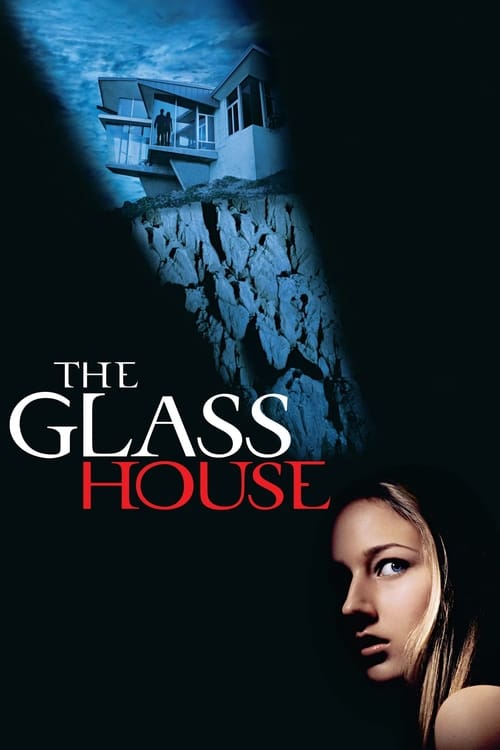
The Glass House
When Ruby and Rhett's parents are killed in a car accident, their carefree teenage lives are suddenly shattered. Moving to an incredible house in Malibu with the Glasses', old friends of the family, seems to be the beginning of a new life for them.
The film underperformed commercially against its respectable budget of $30.0M, earning $23.6M globally (-21% loss).


Plot Structure
Story beats plotted across runtime


Narrative Arc
Emotional journey through the story's key moments
Story Circle
Blueprint 15-beat structure
Arcplot Score Breakdown
Weighted: Precision (70%) + Arc (15%) + Theme (15%)
The Glass House (2001) exemplifies meticulously timed story structure, characteristic of Daniel Sackheim's storytelling approach. This structural analysis examines how the film's 15-point plot structure maps to proven narrative frameworks across 1 hour and 47 minutes. With an Arcplot score of 7.5, the film showcases strong structural fundamentals.
Characters
Cast & narrative archetypes

Ruby Baker
Erin Glass
Terry Glass
Rhett Baker
Alvin Begleiter
Main Cast & Characters
Ruby Baker
Played by Leelee Sobieski
A teenage girl who becomes orphaned and must navigate the sinister intentions of her new guardians while protecting her younger brother.
Erin Glass
Played by Diane Lane
The seemingly caring but manipulative guardian who harbors dark secrets and develops an unhealthy obsession with Ruby.
Terry Glass
Played by Stellan Skarsgård
Erin's husband and co-guardian, a financially troubled former car dealer with a drug problem and violent tendencies.
Rhett Baker
Played by Trevor Morgan
Ruby's younger brother who becomes increasingly vulnerable in the Glass household.
Alvin Begleiter
Played by Bruce Dern
The Baker family's estate lawyer who becomes suspicious of the Glass family's motives.
Structural Analysis
The Status Quo at 1 minutes (1% through the runtime) establishes Ruby and her brother Rhett live a comfortable suburban life with loving parents. Ruby is a typical rebellious teenager who takes her family for granted, sneaking out to parties and testing boundaries.. Significantly, this early placement immediately immerses viewers in the story world.
The inciting incident occurs at 12 minutes when Ruby and Rhett's parents die in a car accident. The children's entire world is shattered in an instant, leaving them orphaned and vulnerable.. At 12% through the film, this Disruption aligns precisely with traditional story structure. This beat shifts the emotional landscape, launching the protagonist into the central conflict.
The First Threshold at 26 minutes marks the transition into Act II, occurring at 24% of the runtime. This shows the protagonist's commitment to Ruby and Rhett move into the Glass house, a stunning modern mansion. They cross the threshold from their old life into this new, uncertain world with strangers as their guardians., moving from reaction to action.
At 53 minutes, the Midpoint arrives at 50% of the runtime—precisely centered, creating perfect narrative symmetry. Structural examination shows that this crucial beat Ruby discovers concrete evidence that the Glasses are stealing from her inheritance and may have ulterior motives. What seemed like paranoia is confirmed as real danger. The stakes escalate from discomfort to genuine threat., fundamentally raising what's at risk. The emotional intensity shifts, dividing the narrative into clear before-and-after phases.
The Collapse moment at 80 minutes (75% through) represents the emotional nadir. Here, Nancy Ryan, the caseworker who represented hope and protection, is killed by Terry. Ruby's last lifeline to safety is severed. The children are now completely at the mercy of their murderous guardians., indicates the protagonist at their lowest point. This beat's placement in the final quarter sets up the climactic reversal.
The Second Threshold at 85 minutes initiates the final act resolution at 80% of the runtime. Ruby synthesizes her rebellious nature (which her parents tried to tame) with the survival instinct and protective love she's developed. She realizes she must use cunning and courage to outwit Terry and save her brother. She transforms from victim to fighter., demonstrating the transformation achieved throughout the journey.
Emotional Journey
The Glass House's emotional architecture traces a deliberate progression across 15 carefully calibrated beats.
Narrative Framework
This structural analysis employs systematic plot point analysis that identifies crucial turning points. By mapping The Glass House against these established plot points, we can identify how Daniel Sackheim utilizes or subverts traditional narrative conventions. The plot point approach reveals not only adherence to structural principles but also creative choices that distinguish The Glass House within the drama genre.
Comparative Analysis
Additional drama films include After Thomas, South Pacific and Dirty Dancing: Havana Nights.
Plot Points by Act
Act I
SetupStatus Quo
Ruby and her brother Rhett live a comfortable suburban life with loving parents. Ruby is a typical rebellious teenager who takes her family for granted, sneaking out to parties and testing boundaries.
Theme
During a family moment, Ruby's mother discusses the importance of trust and knowing who your real family is. This theme of authentic family versus facade becomes central to the story.
Worldbuilding
Establishment of Ruby's normal teenage life, her relationship with her younger brother Rhett, their parents, and the comfortable upper-middle-class world they inhabit. Ruby's rebellious nature and her parents' loving but firm guidance are shown.
Disruption
Ruby and Rhett's parents die in a car accident. The children's entire world is shattered in an instant, leaving them orphaned and vulnerable.
Resistance
The legal process unfolds as arrangements are made for the children. Terry and Erin Glass, friends of the parents, offer to become the children's guardians. Ruby and Rhett must decide whether to accept this arrangement or face separation in the foster care system.
Act II
ConfrontationFirst Threshold
Ruby and Rhett move into the Glass house, a stunning modern mansion. They cross the threshold from their old life into this new, uncertain world with strangers as their guardians.
Mirror World
Ruby begins to connect with her caseworker Nancy Ryan, who represents genuine care and concern. This relationship becomes the thematic counterpoint to the false family dynamic with the Glasses.
Premise
Ruby and Rhett explore their new life in the glass house. Initially seductive with its wealth and luxury, cracks begin to show. Ruby notices strange behaviors from Terry, financial irregularities, and unsettling interactions. The promise of a perfect new family starts to reveal its dark underbelly.
Midpoint
Ruby discovers concrete evidence that the Glasses are stealing from her inheritance and may have ulterior motives. What seemed like paranoia is confirmed as real danger. The stakes escalate from discomfort to genuine threat.
Opposition
Terry becomes increasingly threatening and unstable. Ruby's attempts to expose the truth are undermined by the Glasses' manipulation. Erin reveals her own complicity. Ruby and Rhett become isolated as the Glasses tighten their control and eliminate potential witnesses or helpers.
Collapse
Nancy Ryan, the caseworker who represented hope and protection, is killed by Terry. Ruby's last lifeline to safety is severed. The children are now completely at the mercy of their murderous guardians.
Crisis
Ruby processes the horror of Nancy's death and realizes no one is coming to save them. She must protect herself and Rhett alone. The weight of adult responsibility crashes down on her.
Act III
ResolutionSecond Threshold
Ruby synthesizes her rebellious nature (which her parents tried to tame) with the survival instinct and protective love she's developed. She realizes she must use cunning and courage to outwit Terry and save her brother. She transforms from victim to fighter.
Synthesis
Ruby executes her plan to expose and defeat the Glasses. A violent confrontation unfolds in the glass house. Ruby uses the environment and her wits to turn the tables on Terry. The final battle tests everything she's learned about trust, family, and survival.
Transformation
Ruby and Rhett, now safe, are shown moving forward with a new guardian or support system. Ruby has transformed from a careless teenager into a protective, mature young woman who understands the true meaning of family and trust. She no longer takes safety for granted.