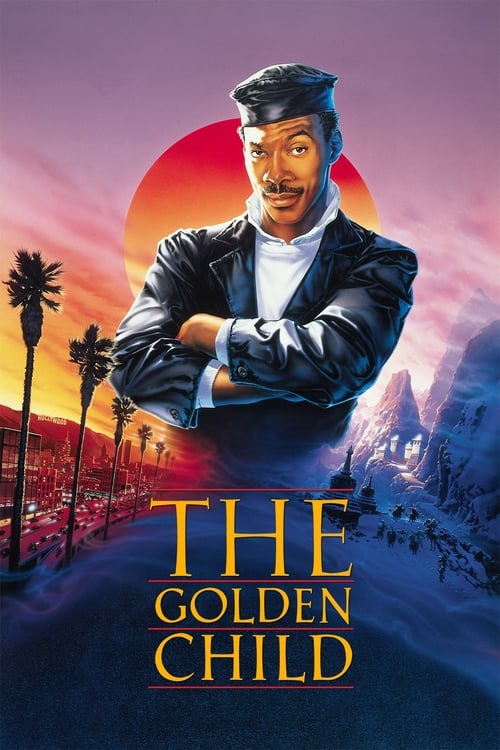
The Golden Child
After a Tibetan boy, the mystical Golden Child, is kidnapped by the evil Sardo Numspa, humankind's fate hangs in the balance. On the other side of the world in Los Angeles, the priestess Kee Nang seeks the Chosen One, who will save the boy from death. When Nang sees social worker Chandler Jarrell on television discussing his ability to find missing children, she solicits his expertise, despite his skepticism over being "chosen."
Despite a moderate budget of $25.0M, The Golden Child became a solid performer, earning $79.8M worldwide—a 219% return.


Plot Structure
Story beats plotted across runtime


Narrative Arc
Emotional journey through the story's key moments
Story Circle
Blueprint 15-beat structure
Arcplot Score Breakdown
Weighted: Precision (70%) + Arc (15%) + Theme (15%)
The Golden Child (1986) showcases precise narrative design, characteristic of Michael Ritchie's storytelling approach. This structural analysis examines how the film's 15-point plot structure maps to proven narrative frameworks across 1 hour and 34 minutes. With an Arcplot score of 7.6, the film showcases strong structural fundamentals.
Characters
Cast & narrative archetypes

Chandler Jarrell
Kee Nang
Sardo Numspa
The Golden Child
Doctor Hong
Main Cast & Characters
Chandler Jarrell
Played by Eddie Murphy
A Los Angeles social worker specializing in finding missing children who is recruited to rescue a mystical Tibetan child with supernatural powers.
Kee Nang
Played by Charlotte Lewis
A mysterious Tibetan woman who recruits Chandler and serves as his guide in the quest to rescue the Golden Child.
Sardo Numspa
Played by Charles Dance
A powerful demon in human form who kidnaps the Golden Child to bring darkness and evil into the world.
The Golden Child
Played by J.L. Reate
A mystical Tibetan boy with divine powers who represents pure good and compassion for all living things.
Doctor Hong
Played by Victor Wong
An elderly Tibetan spiritual leader who provides wisdom and guidance about the Golden Child's importance.
Structural Analysis
The Status Quo at 1 minutes (1% through the runtime) establishes Chandler Jarrell works as a social worker finding missing children in Los Angeles, displaying his street-smart investigative skills and cocky personality.. Notably, this early placement immediately immerses viewers in the story world.
The inciting incident occurs at 11 minutes when Kee Nang reveals that Chandler has been chosen to find "The Golden Child," a mystical being who can save the world. The supernatural intrudes on Chandler's rational world.. At 11% through the film, this Disruption aligns precisely with traditional story structure. This beat shifts the emotional landscape, launching the protagonist into the central conflict.
The First Threshold at 23 minutes marks the transition into Act II, occurring at 24% of the runtime. This illustrates the protagonist's commitment to Chandler witnesses undeniable proof of the supernatural (the Golden Child's powers) and commits to finding and rescuing the child, accepting that he's entered a world beyond his understanding., moving from reaction to action.
At 47 minutes, the Midpoint arrives at 50% of the runtime—precisely centered, creating perfect narrative symmetry. Structural examination shows that this crucial beat Chandler must retrieve the sacred dagger (Ajanti Dagger) from Tibet to defeat the demon Sardo Numspa. The stakes raise as he realizes only he can obtain it. False defeat: the task seems impossible., fundamentally raising what's at risk. The emotional intensity shifts, dividing the narrative into clear before-and-after phases.
The Collapse moment at 69 minutes (73% through) represents the emotional nadir. Here, The Golden Child dies (whiff of death). Chandler's mission appears to have failed completely. All hope seems lost—the child he was meant to save is dead, and evil has won., illustrates the protagonist at their lowest point. This beat's placement in the final quarter sets up the climactic reversal.
The Second Threshold at 73 minutes initiates the final act resolution at 78% of the runtime. Chandler realizes he must truly believe to succeed. He synthesizes his street-smart skills with genuine faith in the mystical. Armed with the Ajanti Dagger and true belief, he's ready for final confrontation., demonstrating the transformation achieved throughout the journey.
Emotional Journey
The Golden Child's emotional architecture traces a deliberate progression across 15 carefully calibrated beats.
Narrative Framework
This structural analysis employs systematic plot point analysis that identifies crucial turning points. By mapping The Golden Child against these established plot points, we can identify how Michael Ritchie utilizes or subverts traditional narrative conventions. The plot point approach reveals not only adherence to structural principles but also creative choices that distinguish The Golden Child within the action genre.
Michael Ritchie's Structural Approach
Among the 9 Michael Ritchie films analyzed on Arcplot, the average structural score is 7.4, reflecting strong command of classical structure. The Golden Child represents one of the director's most structurally precise works. For comparative analysis, explore the complete Michael Ritchie filmography.
Comparative Analysis
Additional action films include The Bad Guys, Puss in Boots and Venom: The Last Dance. For more Michael Ritchie analyses, see The Bad News Bears, A Simple Wish and Diggstown.
Plot Points by Act
Act I
SetupStatus Quo
Chandler Jarrell works as a social worker finding missing children in Los Angeles, displaying his street-smart investigative skills and cocky personality.
Theme
Kee Nang tells Chandler: "There are things happening in this world that you know nothing about." The theme of belief vs. skepticism, faith vs. cynicism is introduced.
Worldbuilding
Establish Chandler's world as a cynical finder of lost children, his relationship with his daughter, and the mysterious abduction of a Tibetan child with special powers. We learn of an ancient prophecy and mystical forces at work.
Disruption
Kee Nang reveals that Chandler has been chosen to find "The Golden Child," a mystical being who can save the world. The supernatural intrudes on Chandler's rational world.
Resistance
Chandler resists the mystical explanation, mocks the prophecy, and debates whether to take the case. Kee Nang guides him with cryptic information. He investigates skeptically, encountering increasingly strange supernatural evidence.
Act II
ConfrontationFirst Threshold
Chandler witnesses undeniable proof of the supernatural (the Golden Child's powers) and commits to finding and rescuing the child, accepting that he's entered a world beyond his understanding.
Mirror World
Chandler's relationship with Kee Nang deepens as she represents faith, spirituality, and belief—everything Chandler lacks. She becomes his thematic mirror, teaching him to believe.
Premise
Chandler navigates the mystical world, encountering demons, ancient prophecies, and supernatural challenges. He pursues leads, faces magical dangers, and learns the rules of this new reality while trying to locate the Golden Child.
Midpoint
Chandler must retrieve the sacred dagger (Ajanti Dagger) from Tibet to defeat the demon Sardo Numspa. The stakes raise as he realizes only he can obtain it. False defeat: the task seems impossible.
Opposition
Chandler's quest for the dagger becomes increasingly difficult. Sardo Numspa's power grows stronger. The demon's forces close in. Chandler's faith is tested repeatedly as supernatural obstacles mount.
Collapse
The Golden Child dies (whiff of death). Chandler's mission appears to have failed completely. All hope seems lost—the child he was meant to save is dead, and evil has won.
Crisis
Chandler processes the devastating loss and his apparent failure. His cynicism battles with newfound faith. Dark night of despair before finding resolve.
Act III
ResolutionSecond Threshold
Chandler realizes he must truly believe to succeed. He synthesizes his street-smart skills with genuine faith in the mystical. Armed with the Ajanti Dagger and true belief, he's ready for final confrontation.
Synthesis
Chandler confronts Sardo Numspa using both his earthly cunning and spiritual faith. He wields the sacred dagger, defeats the demon, and resurrects the Golden Child through the power of belief.
Transformation
Chandler, now a believer in forces beyond the material world, walks with Kee Nang and the Golden Child. The cynic has become a man of faith, transformed by his journey.