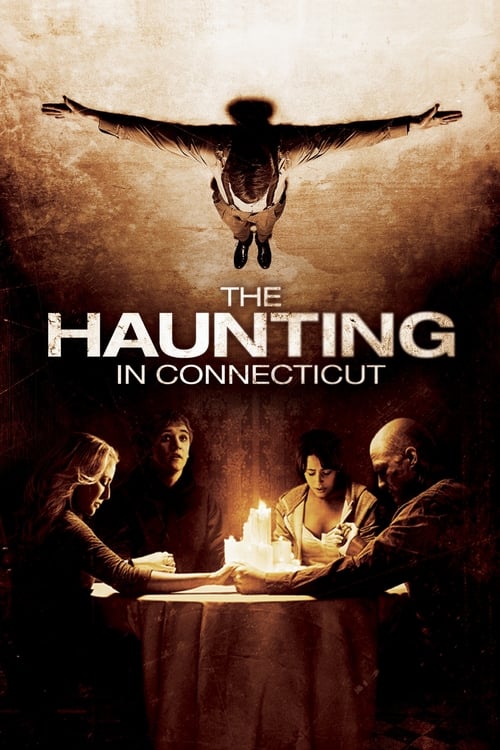
The Haunting in Connecticut
When the Campbell family moves to upstate Connecticut, they soon learn that their charming Victorian home has a disturbing history: not only was the house a transformed funeral parlor where inconceivable acts occurred, but the owner's clairvoyant son Jonah served as a demonic messenger, providing a gateway for spiritual entities to crossover.
Despite its tight budget of $10.0M, The Haunting in Connecticut became a massive hit, earning $77.6M worldwide—a remarkable 676% return. The film's unique voice resonated with audiences, demonstrating that strong storytelling can transcend budget limitations.
1 win & 2 nominations


Plot Structure
Story beats plotted across runtime


Narrative Arc
Emotional journey through the story's key moments
Story Circle
Blueprint 15-beat structure
Arcplot Score Breakdown
Weighted: Precision (70%) + Arc (15%) + Theme (15%)
The Haunting in Connecticut (2009) showcases precise story structure, characteristic of Peter Cornwell's storytelling approach. This structural analysis examines how the film's 15-point plot structure maps to proven narrative frameworks across 1 hour and 42 minutes. With an Arcplot score of 7.0, the film balances conventional beats with creative variation.
Structural Analysis
The Status Quo at 1 minutes (1% through the runtime) establishes Sara Campbell testifies about the supernatural events, establishing this as a story of trauma survived. Matt undergoes grueling cancer treatment while the family struggles with long commutes to the hospital.. Of particular interest, this early placement immediately immerses viewers in the story world.
The inciting incident occurs at 12 minutes when Sara discovers and rents the suspiciously cheap house near the hospital in Connecticut. Despite its unsettling basement mortuary and strange energy, desperation drives her to move the family in immediately.. At 12% through the film, this Disruption aligns precisely with traditional story structure. This beat shifts the emotional landscape, launching the protagonist into the central conflict.
The First Threshold at 26 minutes marks the transition into Act II, occurring at 25% of the runtime. This demonstrates the protagonist's commitment to Matt decides to stay in the basement room despite increasingly terrifying visions of Jonah, the spirit medium. He chooses to confront the supernatural rather than burden his already struggling family with more problems., moving from reaction to action.
At 51 minutes, the Midpoint arrives at 50% of the runtime—precisely centered, creating perfect narrative symmetry. Significantly, this crucial beat Matt discovers the ectoplasmic writing carved into the corpses and learns that Aickman was conducting necromantic rituals, trapping souls to amplify Jonah's power. The haunting isn't random—it's a prison for tortured spirits, and Matt is becoming a conduit., fundamentally raising what's at risk. The emotional intensity shifts, dividing the narrative into clear before-and-after phases.
The Collapse moment at 77 minutes (75% through) represents the emotional nadir. Here, Matt violently attacks his cousin Wendy while possessed by the malevolent spirits. The doctors deliver devastating news that his cancer has spread and treatment has failed. Matt appears to be dying both physically and spiritually, consumed by darkness., reveals the protagonist at their lowest point. This beat's placement in the final quarter sets up the climactic reversal.
The Second Threshold at 82 minutes initiates the final act resolution at 80% of the runtime. Reverend Popescu reveals that burning the bodies hidden in the house will free the trapped souls, including Jonah who was killed by Aickman. Matt realizes he must destroy the house to release the spirits—and himself—from torment., demonstrating the transformation achieved throughout the journey.
Emotional Journey
The Haunting in Connecticut's emotional architecture traces a deliberate progression across 15 carefully calibrated beats.
Narrative Framework
This structural analysis employs a 15-point narrative structure framework that maps key story moments. By mapping The Haunting in Connecticut against these established plot points, we can identify how Peter Cornwell utilizes or subverts traditional narrative conventions. The plot point approach reveals not only adherence to structural principles but also creative choices that distinguish The Haunting in Connecticut within the thriller genre.
Comparative Analysis
Additional thriller films include The Warriors, Thunderball and Rustom.
Plot Points by Act
Act I
SetupStatus Quo
Sara Campbell testifies about the supernatural events, establishing this as a story of trauma survived. Matt undergoes grueling cancer treatment while the family struggles with long commutes to the hospital.
Theme
The doctor tells Sara that Matt's experimental treatment requires proximity to the hospital, forcing the family to consider relocation. The theme emerges: how far will a mother go to save her son, and what darkness must be confronted to find healing?
Worldbuilding
The Campbell family's desperate situation is established. Matt's cancer, the financial strain, father Peter's alcoholism, and the family's determination to fight for Matt's life at any cost are all introduced.
Disruption
Sara discovers and rents the suspiciously cheap house near the hospital in Connecticut. Despite its unsettling basement mortuary and strange energy, desperation drives her to move the family in immediately.
Resistance
The family settles into the former funeral home. Matt claims the basement bedroom despite Sara's hesitation. Strange occurrences begin—Matt sees visions, discovers séance photographs, and the house's dark history as Halloran Funeral Home slowly reveals itself.
Act II
ConfrontationFirst Threshold
Matt decides to stay in the basement room despite increasingly terrifying visions of Jonah, the spirit medium. He chooses to confront the supernatural rather than burden his already struggling family with more problems.
Mirror World
Reverend Popescu is introduced, a cancer patient himself who becomes Matt's spiritual guide. He understands both Matt's physical suffering and begins to sense the supernatural forces at work, offering Matt someone who believes him.
Premise
Matt investigates the house's history while battling cancer and increasingly violent hauntings. He discovers Jonah was a powerful medium exploited by mortician Aickman. The spirits grow more aggressive, targeting Matt and his younger siblings.
Midpoint
Matt discovers the ectoplasmic writing carved into the corpses and learns that Aickman was conducting necromantic rituals, trapping souls to amplify Jonah's power. The haunting isn't random—it's a prison for tortured spirits, and Matt is becoming a conduit.
Opposition
The supernatural attacks intensify. Matt's behavior becomes erratic and violent as the spirits manipulate him. Sara struggles to hold the family together as Peter returns to drinking. Reverend Popescu researches the house's dark past.
Collapse
Matt violently attacks his cousin Wendy while possessed by the malevolent spirits. The doctors deliver devastating news that his cancer has spread and treatment has failed. Matt appears to be dying both physically and spiritually, consumed by darkness.
Crisis
Sara is forced to send the other children away for safety. Matt isolates himself, accepting death. The family fractures under the weight of Matt's illness and the supernatural assault. Reverend Popescu races to find answers before it's too late.
Act III
ResolutionSecond Threshold
Reverend Popescu reveals that burning the bodies hidden in the house will free the trapped souls, including Jonah who was killed by Aickman. Matt realizes he must destroy the house to release the spirits—and himself—from torment.
Synthesis
Matt tears down the walls, exposing the hidden corpses covered in necromantic symbols. He sets the house ablaze with himself inside, choosing sacrifice. Sara rushes in to save him as the trapped spirits are finally released in fire and light.
Transformation
Matt is pulled from the fire and revived. Miraculously, his cancer has gone into complete remission—the spirits, now freed, have healed him. The family stands together, transformed by their ordeal. Sara's testimony concludes, affirming the supernatural salvation.