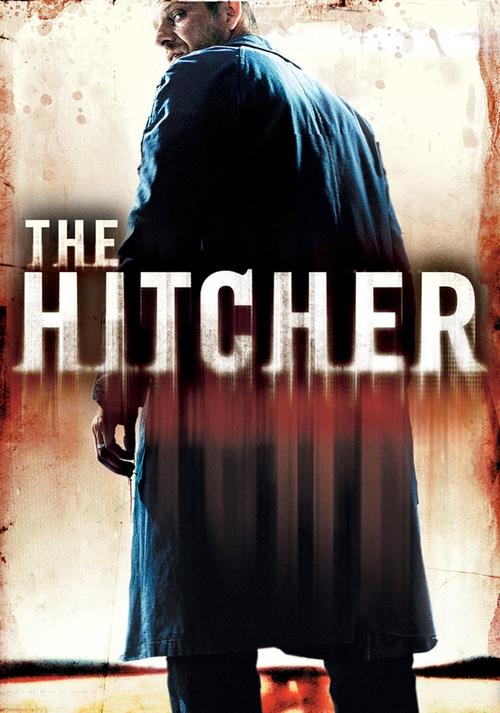
The Hitcher
While driving through the New Mexico Desert during a rainy night, college students Jim Halsey and his girlfriend Grace Andrews give a ride to a hitchhiker. While in their car, the stranger proves to be a psychopath threatening the young couple with a knife, but Jim successfully throws him out of the car. This sets off a chain of events that will change all of their lives forever.
Despite its tight budget of $10.0M, The Hitcher became a commercial success, earning $25.4M worldwide—a 154% return.
2 wins & 2 nominations


Plot Structure
Story beats plotted across runtime


Narrative Arc
Emotional journey through the story's key moments
Story Circle
Blueprint 15-beat structure
Arcplot Score Breakdown
Weighted: Precision (70%) + Arc (15%) + Theme (15%)
The Hitcher (2007) exhibits precise narrative architecture, characteristic of Dave Meyers's storytelling approach. This structural analysis examines how the film's 15-point plot structure maps to proven narrative frameworks across 1 hour and 24 minutes. With an Arcplot score of 7.4, the film balances conventional beats with creative variation.
Structural Analysis
The Status Quo at 1 minutes (1% through the runtime) establishes Jim and Grace drive through New Mexico on spring break, a young couple on a carefree road trip to California. They're tired but happy, their biggest concern being staying awake on the long desert highway.. Of particular interest, this early placement immediately immerses viewers in the story world.
The inciting incident occurs at 9 minutes when Jim picks up John Ryder despite Grace's objections. Ryder immediately creates menace, admitting he killed the previous driver. When Jim tries to eject him, Ryder holds a knife to Grace's eye, revealing himself as a lethal threat.. At 11% through the film, this Disruption aligns precisely with traditional story structure. This beat shifts the emotional landscape, launching the protagonist into the central conflict.
The First Threshold at 20 minutes marks the transition into Act II, occurring at 24% of the runtime. This illustrates the protagonist's commitment to Jim and Grace decide to actively seek help from the police at a gas station, choosing to enter the world of being suspects on the run. This choice makes them fugitives and pulls them deeper into Ryder's game., moving from reaction to action.
At 42 minutes, the Midpoint arrives at 50% of the runtime—precisely centered, creating perfect narrative symmetry. The analysis reveals that this crucial beat Jim and Grace are captured by police. False defeat - they think they're safe in custody, but Ryder orchestrates a massacre at the police station, killing all the officers. The stakes raise: nowhere is safe, no authority can protect them., fundamentally raising what's at risk. The emotional intensity shifts, dividing the narrative into clear before-and-after phases.
The Collapse moment at 61 minutes (73% through) represents the emotional nadir. Here, Ryder captures Grace and ties her between a semi-truck and trailer. Jim has a rifle aimed at Ryder but can't take the shot. Ryder gets in the truck cab - Jim is forced to watch helplessly as Grace is torn apart. Literal death of his partner and his innocence., reveals the protagonist at their lowest point. This beat's placement in the final quarter sets up the climactic reversal.
The Second Threshold at 67 minutes initiates the final act resolution at 79% of the runtime. Ryder attacks the police convoy, giving Jim an opportunity. Jim realizes Ryder wants him to fight back - wants to create a killer. Jim accepts that he must become violent to end this, synthesizing survival instinct with rage for vengeance., demonstrating the transformation achieved throughout the journey.
Emotional Journey
The Hitcher's emotional architecture traces a deliberate progression across 15 carefully calibrated beats.
Narrative Framework
This structural analysis employs systematic plot point analysis that identifies crucial turning points. By mapping The Hitcher against these established plot points, we can identify how Dave Meyers utilizes or subverts traditional narrative conventions. The plot point approach reveals not only adherence to structural principles but also creative choices that distinguish The Hitcher within the crime genre.
Dave Meyers's Structural Approach
Among the 3 Dave Meyers films analyzed on Arcplot, the average structural score is 7.1, reflecting strong command of classical structure. The Hitcher represents one of the director's most structurally precise works. For comparative analysis, explore the complete Dave Meyers filmography.
Comparative Analysis
Additional crime films include The Bad Guys, Rustom and The Whole Ten Yards. For more Dave Meyers analyses, see This Is Me…Now, Foolish.
Plot Points by Act
Act I
SetupStatus Quo
Jim and Grace drive through New Mexico on spring break, a young couple on a carefree road trip to California. They're tired but happy, their biggest concern being staying awake on the long desert highway.
Theme
Grace warns Jim about picking up hitchhikers: "You never know who you're letting into your car." The theme of trust, strangers, and the dangers of the unknown is established.
Worldbuilding
Establish Jim and Grace's relationship dynamics - he's more trusting and naive, she's more cautious. They're isolated on empty desert roads, tired from driving. The desolate landscape and sparse traffic creates vulnerability.
Disruption
Jim picks up John Ryder despite Grace's objections. Ryder immediately creates menace, admitting he killed the previous driver. When Jim tries to eject him, Ryder holds a knife to Grace's eye, revealing himself as a lethal threat.
Resistance
Jim manages to kick Ryder from the moving car. They debate going to police but are initially too scared. They encounter a family in a station wagon that Ryder has murdered. The couple realizes they're being framed and hunted.
Act II
ConfrontationFirst Threshold
Jim and Grace decide to actively seek help from the police at a gas station, choosing to enter the world of being suspects on the run. This choice makes them fugitives and pulls them deeper into Ryder's game.
Mirror World
Police officer and later Lieutenant Esteridge represent the law/authority that should protect them but instead become adversaries. The mirror shows how isolation and circumstantial evidence can make allies into enemies.
Premise
Cat-and-mouse chase through the desert. Jim and Grace run from both Ryder and police, encountering escalating violence and death. Ryder stays one step ahead, killing everyone they encounter. The premise: survival against an unstoppable killer.
Midpoint
Jim and Grace are captured by police. False defeat - they think they're safe in custody, but Ryder orchestrates a massacre at the police station, killing all the officers. The stakes raise: nowhere is safe, no authority can protect them.
Opposition
Ryder continues his pursuit with supernatural precision. Jim and Grace steal a police car and weapon, becoming hardened. The couple's innocence erodes as they're forced into violence. Ryder's power seems limitless; their options narrow.
Collapse
Ryder captures Grace and ties her between a semi-truck and trailer. Jim has a rifle aimed at Ryder but can't take the shot. Ryder gets in the truck cab - Jim is forced to watch helplessly as Grace is torn apart. Literal death of his partner and his innocence.
Crisis
Jim is arrested, broken and traumatized. In the police car, he processes the horror of Grace's death. His old self - the naive, trusting college kid - is dead. Dark night of complete devastation.
Act III
ResolutionSecond Threshold
Ryder attacks the police convoy, giving Jim an opportunity. Jim realizes Ryder wants him to fight back - wants to create a killer. Jim accepts that he must become violent to end this, synthesizing survival instinct with rage for vengeance.
Synthesis
Final confrontation. Jim hunts Ryder with stolen weapons and police gear. Pursuit through the desert culminates in a standoff. Jim shoots Ryder multiple times, finally killing him with brutal finality - emptying his gun into the body.
Transformation
Jim stands alone in the desert, covered in blood, surrounded by death. Where the opening showed an innocent young man on a carefree trip, the closing shows a traumatized survivor, forever changed by violence. He has become what he fought.