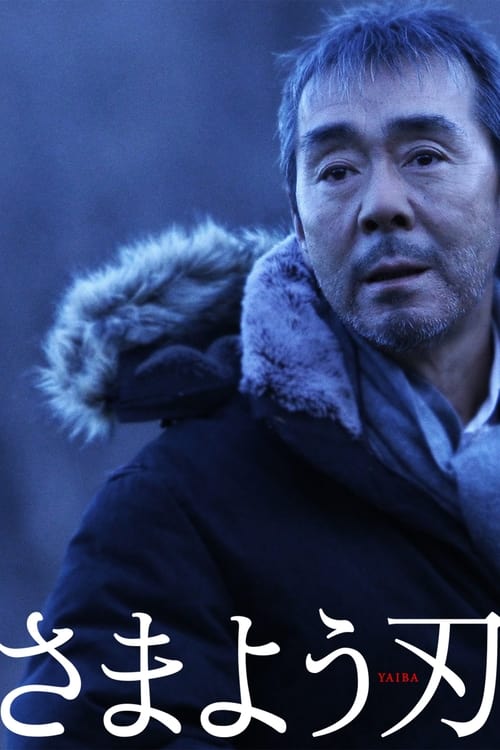
The Hovering Blade
Following the brutal rape and murder of his teenage daughter, a single father seeks revenge against the responsible youths. His pursuit for justice becomes a deadly cat-and-mouse game with both the perpetrators and the police.
The film earned $5.1M at the global box office.
Plot Structure
Story beats plotted across runtime


Narrative Arc
Emotional journey through the story's key moments
Story Circle
Blueprint 15-beat structure
Arcplot Score Breakdown
Weighted: Precision (70%) + Arc (15%) + Theme (15%)
The Hovering Blade (2009) exhibits precise story structure, characteristic of Shoichi Mashiko's storytelling approach. This structural analysis examines how the film's 15-point plot structure maps to proven narrative frameworks across 1 hour and 52 minutes. With an Arcplot score of 7.0, the film balances conventional beats with creative variation.
Structural Analysis
The Status Quo at 1 minutes (1% through the runtime) establishes Nagamine Shigeki lives a quiet life as a single father, working and caring for his teenage daughter Monami in their modest home.. Significantly, this early placement immediately immerses viewers in the story world.
The inciting incident occurs at 13 minutes when Nagamine receives the devastating news that his daughter Monami has been brutally murdered by two teenage boys.. At 12% through the film, this Disruption aligns precisely with traditional story structure. This beat shifts the emotional landscape, launching the protagonist into the central conflict.
The First Threshold at 28 minutes marks the transition into Act II, occurring at 25% of the runtime. This demonstrates the protagonist's commitment to Nagamine makes the conscious decision to track down and kill his daughter's murderers himself, crossing from law-abiding citizen to vigilante., moving from reaction to action.
At 56 minutes, the Midpoint arrives at 50% of the runtime—precisely centered, creating perfect narrative symmetry. Notably, this crucial beat Nagamine confronts one of the killers face-to-face for the first time, seeing the remorseless young man who destroyed his life, raising the stakes and making revenge personal and real., fundamentally raising what's at risk. The emotional intensity shifts, dividing the narrative into clear before-and-after phases.
The Collapse moment at 84 minutes (75% through) represents the emotional nadir. Here, Nagamine reaches his breaking point, confronting the abyss of becoming a killer himself. The weight of what he's about to do—crossing from father to murderer—crushes him., illustrates the protagonist at their lowest point. This beat's placement in the final quarter sets up the climactic reversal.
The Second Threshold at 90 minutes initiates the final act resolution at 80% of the runtime. Nagamine makes his final choice about whether to execute his revenge or find another path, synthesizing his love for his daughter with the moral cost of vengeance., demonstrating the transformation achieved throughout the journey.
Emotional Journey
The Hovering Blade's emotional architecture traces a deliberate progression across 15 carefully calibrated beats.
Narrative Framework
This structural analysis employs structural analysis methodology used to understand storytelling architecture. By mapping The Hovering Blade against these established plot points, we can identify how Shoichi Mashiko utilizes or subverts traditional narrative conventions. The plot point approach reveals not only adherence to structural principles but also creative choices that distinguish The Hovering Blade within the drama genre.
Comparative Analysis
Additional drama films include Eye for an Eye, South Pacific and Kiss of the Spider Woman.
Plot Points by Act
Act I
SetupStatus Quo
Nagamine Shigeki lives a quiet life as a single father, working and caring for his teenage daughter Monami in their modest home.
Theme
A colleague mentions that justice and revenge are different things, though both seek balance when discussing a news story about juvenile crime.
Worldbuilding
Establishment of Nagamine's ordinary world: his relationship with Monami, his work routine, the legal system's treatment of juvenile offenders, and the peaceful rhythms of their daily life together.
Disruption
Nagamine receives the devastating news that his daughter Monami has been brutally murdered by two teenage boys.
Resistance
Nagamine struggles with grief while navigating the legal system. He learns the killers are juveniles whose identities are protected by law. Police and prosecutors debate the case within legal constraints.
Act II
ConfrontationFirst Threshold
Nagamine makes the conscious decision to track down and kill his daughter's murderers himself, crossing from law-abiding citizen to vigilante.
Mirror World
Nagamine encounters or recalls the mother of one of the killers, representing the complexity of familial bonds and the humanity even in those connected to evil.
Premise
The hunt: Nagamine investigates, tracks leads, and closes in on the killers. Cat-and-mouse dynamics as he learns their identities and whereabouts despite legal protections.
Midpoint
Nagamine confronts one of the killers face-to-face for the first time, seeing the remorseless young man who destroyed his life, raising the stakes and making revenge personal and real.
Opposition
Police close in on Nagamine as they suspect his intentions. The killers become aware they're being hunted. Nagamine's moral certainty begins to crack as he moves closer to actual murder.
Collapse
Nagamine reaches his breaking point, confronting the abyss of becoming a killer himself. The weight of what he's about to do—crossing from father to murderer—crushes him.
Crisis
Dark night as Nagamine wrestles with his soul: can he live with murder, does revenge honor his daughter or corrupt her memory, has he already lost himself to darkness.
Act III
ResolutionSecond Threshold
Nagamine makes his final choice about whether to execute his revenge or find another path, synthesizing his love for his daughter with the moral cost of vengeance.
Synthesis
The final confrontation between Nagamine and the killer(s), where his decision is enacted and consequences unfold. Resolution with authorities and the justice system.
Transformation
Nagamine in the aftermath: no longer the innocent father from the opening, forever marked by grief and his choices, embodying the film's meditation on justice, revenge, and the price of both.