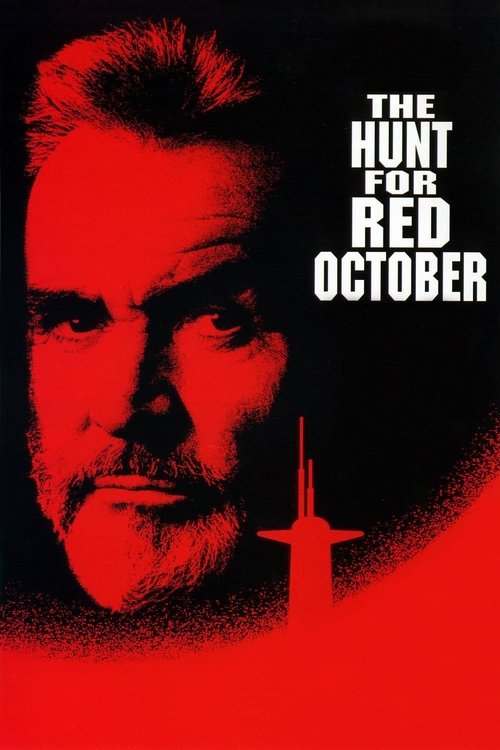
The Hunt for Red October
Moscow, Washington D.C. and a CIA Analyst track a rogue Soviet Captain and his new submarine.
Despite a moderate budget of $30.0M, The Hunt for Red October became a massive hit, earning $200.5M worldwide—a remarkable 568% return.
1 Oscar. 3 wins & 9 nominations


Plot Structure
Story beats plotted across runtime


Narrative Arc
Emotional journey through the story's key moments
Story Circle
Blueprint 15-beat structure
Structural Analysis
The Status Quo at 1 minutes (1% through the runtime) establishes Captain Ramius stands on the deck of the Red October in a Soviet naval base, watching the submarine prepare to depart. The cold, grey Soviet world establishes the isolated, dangerous realm of submarine warfare and Cold War tensions.. Significantly, this early placement immediately immerses viewers in the story world.
The inciting incident occurs at 16 minutes when Ramius murders the political officer and burns his orders, then sends a letter to Admiral Padorin revealing his intention to defect with the Red October. This act of betrayal sets the entire Soviet Navy hunting for him and forces both superpowers into crisis mode.. At 12% through the film, this Disruption aligns precisely with traditional story structure. This beat shifts the emotional landscape, launching the protagonist into the central conflict.
The First Threshold at 34 minutes marks the transition into Act II, occurring at 25% of the runtime. This demonstrates the protagonist's commitment to Ryan accepts the mission to prove Ramius is defecting, not attacking. He boards a plane to rendezvous with the USS Dallas, leaving his comfortable analyst position to enter the dangerous world of submarine warfare where his theory will be tested with his life on the line., moving from reaction to action.
At 68 minutes, the Midpoint arrives at 50% of the runtime—precisely centered, creating perfect narrative symmetry. Significantly, this crucial beat Ryan makes contact with Ramius via Morse code light signals, and Ramius confirms his intention to defect. The theory becomes fact—but now the real challenge begins: how to fake the sub's destruction and extract Ramius while both navies are watching. False victory: confirmation brings greater danger., fundamentally raising what's at risk. The emotional intensity shifts, dividing the narrative into clear before-and-after phases.
The Collapse moment at 101 minutes (75% through) represents the emotional nadir. Here, The saboteur shoots Ramius and kills several officers. The Red October is crippled with Tupolev's Alfa-class submarine bearing down on them. The defection plan appears doomed—Ramius is wounded, the crew is depleted, and an enemy torpedo is incoming. Death literally arrives aboard., shows the protagonist at their lowest point. This beat's placement in the final quarter sets up the climactic reversal.
The Second Threshold at 108 minutes initiates the final act resolution at 80% of the runtime. Ramius realizes they can turn into the torpedo—at close range it won't have time to arm. "Combat tactics, Mr. Ryan. By turning into the torpedo, we close the distance." This synthesis of experience and desperation provides the solution, requiring absolute trust in an enemy's judgment., demonstrating the transformation achieved throughout the journey.
Emotional Journey
The Hunt for Red October's emotional architecture traces a deliberate progression across 15 carefully calibrated beats.
Narrative Framework
This structural analysis employs proven narrative structure principles that track dramatic progression. By mapping The Hunt for Red October against these established plot points, we can identify how John McTiernan utilizes or subverts traditional narrative conventions. The plot point approach reveals not only adherence to structural principles but also creative choices that distinguish The Hunt for Red October within the action genre.
John McTiernan's Structural Approach
Among the 11 John McTiernan films analyzed on Arcplot, the average structural score is 7.0, reflecting strong command of classical structure. The Hunt for Red October exemplifies the director's characteristic narrative technique. For comparative analysis, explore the complete John McTiernan filmography.
Comparative Analysis
Additional action films include The Bad Guys, Puss in Boots and Venom: The Last Dance. For more John McTiernan analyses, see Die Hard, Die Hard: With a Vengeance and Medicine Man.
Plot Points by Act
Act I
SetupStatus Quo
Captain Ramius stands on the deck of the Red October in a Soviet naval base, watching the submarine prepare to depart. The cold, grey Soviet world establishes the isolated, dangerous realm of submarine warfare and Cold War tensions.
Theme
Admiral Greer tells Ryan: "The average Russkie doesn't take a dump without a plan." This establishes the film's thematic core—understanding your enemy requires seeing them as rational actors with comprehensible motivations, not mindless threats.
Worldbuilding
The world of Cold War submarine warfare is established: Ramius takes command of the revolutionary Red October with its silent caterpillar drive; the Soviet political officer is introduced; Ryan is shown as a CIA analyst who studies Soviet naval commanders; the stakes of nuclear deterrence are laid out.
Disruption
Ramius murders the political officer and burns his orders, then sends a letter to Admiral Padorin revealing his intention to defect with the Red October. This act of betrayal sets the entire Soviet Navy hunting for him and forces both superpowers into crisis mode.
Resistance
Ryan debates his theory that Ramius wants to defect while officials assume he plans to attack. Admiral Greer serves as Ryan's mentor, pushing him to present his analysis to the National Security Advisor. Ryan resists being sent into the field, preferring his analyst role, but recognizes only he can make contact.
Act II
ConfrontationFirst Threshold
Ryan accepts the mission to prove Ramius is defecting, not attacking. He boards a plane to rendezvous with the USS Dallas, leaving his comfortable analyst position to enter the dangerous world of submarine warfare where his theory will be tested with his life on the line.
Mirror World
Ryan meets Captain Mancuso and sonar operator Jones aboard the USS Dallas. Jones's intuitive, unconventional approach to sonar analysis mirrors Ryan's analytical methods—both must trust their instincts against institutional skepticism. This submarine crew becomes Ryan's new family unit.
Premise
The cat-and-mouse submarine chase unfolds. Ryan works to prove his theory while both navies hunt the Red October. Ramius evades Soviet pursuers using the caterpillar drive. Jones detects the "singing" of the new drive. The Dallas shadows Red October. Ryan convinces skeptics one by one.
Midpoint
Ryan makes contact with Ramius via Morse code light signals, and Ramius confirms his intention to defect. The theory becomes fact—but now the real challenge begins: how to fake the sub's destruction and extract Ramius while both navies are watching. False victory: confirmation brings greater danger.
Opposition
Complications multiply: the Soviets send attack submarines with orders to destroy Red October; a saboteur (the cook) is revealed aboard; Ramius must fake a reactor leak to evacuate most of his crew; Captain Tupolev, Ramius's former student, closes in with deadly intent; the Americans must sink a submarine to fool the Soviets.
Collapse
The saboteur shoots Ramius and kills several officers. The Red October is crippled with Tupolev's Alfa-class submarine bearing down on them. The defection plan appears doomed—Ramius is wounded, the crew is depleted, and an enemy torpedo is incoming. Death literally arrives aboard.
Crisis
Ryan kills the saboteur in a desperate gunfight. The surviving crew faces the incoming torpedo with no apparent escape. Ramius, despite his wound, must find a way to save the ship and complete the defection he's sacrificed everything for.
Act III
ResolutionSecond Threshold
Ramius realizes they can turn into the torpedo—at close range it won't have time to arm. "Combat tactics, Mr. Ryan. By turning into the torpedo, we close the distance." This synthesis of experience and desperation provides the solution, requiring absolute trust in an enemy's judgment.
Synthesis
The Red October turns into the torpedo, which impacts but doesn't detonate. Tupolev fires again, but Ramius maneuvers so the torpedo circles back and destroys the Alfa submarine. The Red October reaches American waters. The defection succeeds; the Soviets believe the sub was destroyed.
Transformation
Ramius and Ryan stand together on the Red October as it sails up the Penobscot River in Maine. Ramius speaks of fishing and his hope for a simple life in Montana. Former enemies are now allies. Ryan's faith in his analysis—and in human nature—has been vindicated.