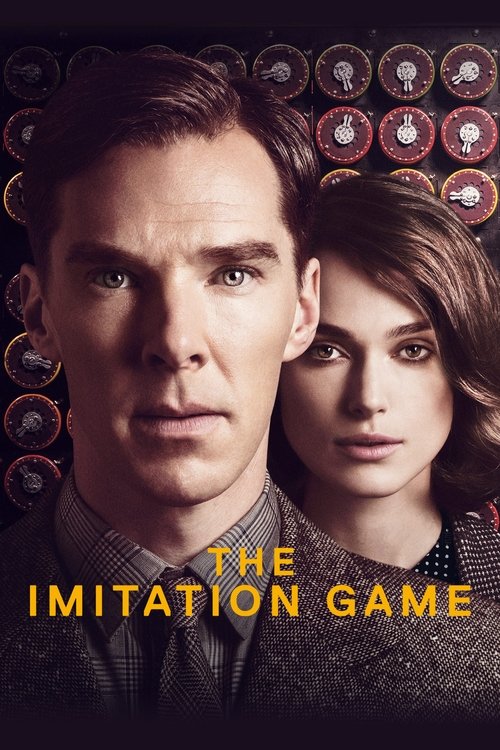
The Imitation Game
Based on the real life story of legendary cryptanalyst Alan Turing, the film portrays the nail-biting race against time by Turing and his brilliant team of code-breakers at Britain's top-secret Government Code and Cypher School at Bletchley Park, during the darkest days of World War II.
Despite its tight budget of $14.0M, The Imitation Game became a massive hit, earning $233.6M worldwide—a remarkable 1568% return. The film's unconventional structure connected with viewers, illustrating how strong storytelling can transcend budget limitations.
1 Oscar. 49 wins & 167 nominations


Plot Structure
Story beats plotted across runtime


Narrative Arc
Emotional journey through the story's key moments
Story Circle
Blueprint 15-beat structure
Arcplot Score Breakdown
Weighted: Precision (70%) + Arc (15%) + Theme (15%)
The Imitation Game (2014) demonstrates deliberately positioned plot construction, characteristic of Morten Tyldum's storytelling approach. This structural analysis examines how the film's 15-point plot structure maps to proven narrative frameworks across 1 hour and 53 minutes. With an Arcplot score of 6.7, the film balances conventional beats with creative variation.
Structural Analysis
The Status Quo at 1 minutes (1% through the runtime) establishes 1951: Detective investigates Alan Turing after a break-in at his home. Turing is isolated, defensive, and condescending, establishing his character as brilliant but socially difficult.. Significantly, this early placement immediately immerses viewers in the story world.
The inciting incident occurs at 14 minutes when Alan witnesses the team's manual decryption process and realizes they're attempting an impossible task. He declares they're doing it wrong and proposes building a machine, causing immediate conflict with Denniston and the team.. At 12% through the film, this Disruption aligns precisely with traditional story structure. This beat shifts the emotional landscape, launching the protagonist into the central conflict.
The First Threshold at 29 minutes marks the transition into Act II, occurring at 25% of the runtime. This shows the protagonist's commitment to Alan shares an apple with his team and tells a joke, actively choosing to connect with them as humans rather than just colleagues. He begins to open up and work collaboratively, marking his entry into genuine teamwork., moving from reaction to action.
At 57 minutes, the Midpoint arrives at 50% of the runtime—precisely centered, creating perfect narrative symmetry. Notably, this crucial beat Breakthrough: The team realizes they can use cribs (predictable phrases like "Heil Hitler") to narrow possibilities. Christopher successfully decrypts a message. False victory - they've won, but now face impossible moral choices., fundamentally raising what's at risk. The emotional intensity shifts, dividing the narrative into clear before-and-after phases.
The Collapse moment at 84 minutes (74% through) represents the emotional nadir. Here, Alan breaks off his engagement with Joan, cruelly revealing his homosexuality and pushing away the one person who truly understood him. He loses his closest human connection, isolating himself completely., indicates the protagonist at their lowest point. This beat's placement in the final quarter sets up the climactic reversal.
The Second Threshold at 90 minutes initiates the final act resolution at 80% of the runtime. Joan tells Alan: "I care for you. And you care for me. And we understand one another more than anyone else ever has." Alan accepts that human connection matters more than isolation - his real breakthrough isn't the machine, it's allowing himself to be known., demonstrating the transformation achieved throughout the journey.
Emotional Journey
The Imitation Game's emotional architecture traces a deliberate progression across 15 carefully calibrated beats.
Narrative Framework
This structural analysis employs a 15-point narrative structure framework that maps key story moments. By mapping The Imitation Game against these established plot points, we can identify how Morten Tyldum utilizes or subverts traditional narrative conventions. The plot point approach reveals not only adherence to structural principles but also creative choices that distinguish The Imitation Game within the history genre.
Morten Tyldum's Structural Approach
Among the 2 Morten Tyldum films analyzed on Arcplot, the average structural score is 7.0, demonstrating varied approaches to story architecture. The Imitation Game takes a more unconventional approach compared to the director's typical style. For comparative analysis, explore the complete Morten Tyldum filmography.
Comparative Analysis
Additional history films include The Attacks Of 26/11, Joyeux Noel and Rob Roy. For more Morten Tyldum analyses, see Passengers.
Plot Points by Act
Act I
SetupStatus Quo
1951: Detective investigates Alan Turing after a break-in at his home. Turing is isolated, defensive, and condescending, establishing his character as brilliant but socially difficult.
Theme
Commander Denniston tells Turing during his interview: "We're not interested in your politics. We're interested in your mind." Theme of hidden identity, acceptance, and what defines a person's worth.
Worldbuilding
Three timelines established: 1951 interrogation, 1928 school bullying of young Alan, and 1939 recruitment to Bletchley Park. Alan's genius, social difficulties, and the stakes of breaking Enigma are introduced.
Disruption
Alan witnesses the team's manual decryption process and realizes they're attempting an impossible task. He declares they're doing it wrong and proposes building a machine, causing immediate conflict with Denniston and the team.
Resistance
Alan struggles to work with his team, goes over Denniston's head to Churchill, fires team members, and recruits Joan Clarke through a crossword puzzle test. He begins to learn about collaboration and trust.
Act II
ConfrontationFirst Threshold
Alan shares an apple with his team and tells a joke, actively choosing to connect with them as humans rather than just colleagues. He begins to open up and work collaboratively, marking his entry into genuine teamwork.
Mirror World
Joan and Alan's relationship deepens as she helps him understand social dynamics. She becomes his connection to humanity and emotional growth, teaching him about friendship, love, and what it means to truly connect with others.
Premise
The team works together building and refining Christopher (the machine). Alan proposes to Joan. The machine is completed but fails initially. The promise of breaking Enigma through innovation and teamwork plays out.
Midpoint
Breakthrough: The team realizes they can use cribs (predictable phrases like "Heil Hitler") to narrow possibilities. Christopher successfully decrypts a message. False victory - they've won, but now face impossible moral choices.
Opposition
The team must hide their success and make godlike decisions about which attacks to stop. Cairncross is revealed as a Soviet spy. Alan's engagement to Joan becomes strained as he struggles with his sexuality and secrets.
Collapse
Alan breaks off his engagement with Joan, cruelly revealing his homosexuality and pushing away the one person who truly understood him. He loses his closest human connection, isolating himself completely.
Crisis
Alan works in isolation. Joan returns and confronts him, refusing to abandon him despite his rejection. The 1951 timeline reveals his arrest for gross indecency and the detective begins to understand his story.
Act III
ResolutionSecond Threshold
Joan tells Alan: "I care for you. And you care for me. And we understand one another more than anyone else ever has." Alan accepts that human connection matters more than isolation - his real breakthrough isn't the machine, it's allowing himself to be known.
Synthesis
The war is won through continued use of Enigma intelligence. Post-war, Alan faces chemical castration rather than prison. He chooses to continue his work. The detective closes the investigation, recognizing Alan's heroism.
Transformation
Title cards reveal Alan's suicide in 1954 and posthumous pardon in 2013. Transformation is tragic: from isolated genius to someone who learned to connect, only to be destroyed by a society that couldn't accept him. Christopher/the computer lives on as his legacy.