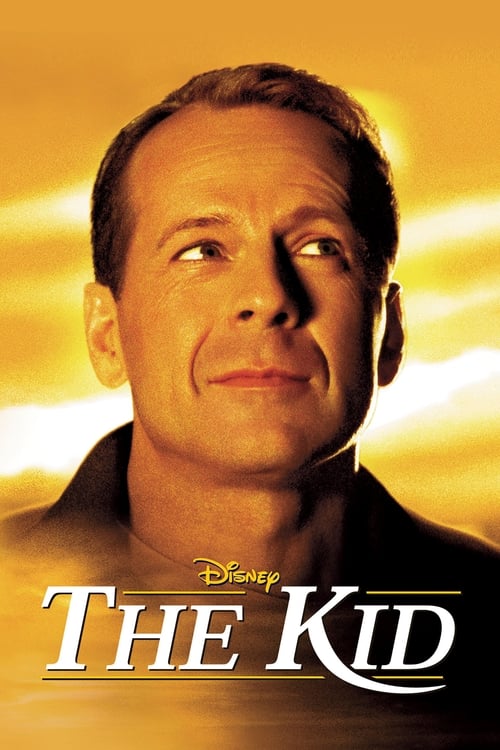
The Kid
Powerful businessman Russ Duritz is self-absorbed and immersed in his work. But by the magic of the moon, he meets Rusty, a chubby, charming 8-year-old version of himself who can't believe he could turn out so badly – with no life and no dog. With Rusty's help, Russ is able to reconcile the person he used to dream of being with the man he's actually become.
Working with a respectable budget of $65.0M, the film achieved a modest success with $110.3M in global revenue (+70% profit margin).
1 win & 3 nominations


Plot Structure
Story beats plotted across runtime


Narrative Arc
Emotional journey through the story's key moments
Story Circle
Blueprint 15-beat structure
Arcplot Score Breakdown
Weighted: Precision (70%) + Arc (15%) + Theme (15%)
The Kid (2000) exemplifies precise plot construction, characteristic of Jon Turteltaub's storytelling approach. This structural analysis examines how the film's 15-point plot structure maps to proven narrative frameworks across 1 hour and 44 minutes. With an Arcplot score of 6.7, the film balances conventional beats with creative variation.
Structural Analysis
The Status Quo at 1 minutes (1% through the runtime) establishes Russ Duritz is introduced as a successful but emotionally disconnected image consultant in Los Angeles, living a meticulously controlled life devoid of meaningful relationships.. Significantly, this early placement immediately immerses viewers in the story world.
The inciting incident occurs at 13 minutes when Russ begins seeing a mysterious kid following him around - first glimpses of a pudgy 8-year-old boy that he can't explain, disrupting his controlled reality.. At 12% through the film, this Disruption aligns precisely with traditional story structure. This beat shifts the emotional landscape, launching the protagonist into the central conflict.
The First Threshold at 27 minutes marks the transition into Act II, occurring at 26% of the runtime. This shows the protagonist's commitment to Russ finally confronts the boy in his home and discovers this is actually Rusty - himself at age 8. He makes the choice to engage with this impossible situation rather than run from it., moving from reaction to action.
At 52 minutes, the Midpoint arrives at 50% of the runtime—precisely centered, creating perfect narrative symmetry. Structural examination shows that this crucial beat Russ and Rusty realize they must work together to figure out why Rusty appeared. False victory as they believe solving the mystery of a specific traumatic memory will fix everything and send Rusty back., fundamentally raising what's at risk. The emotional intensity shifts, dividing the narrative into clear before-and-after phases.
The Collapse moment at 77 minutes (74% through) represents the emotional nadir. Here, Russ relives the traumatic memory: young Rusty was beaten up by bullies on his birthday while his mother was dying. His father told him to stop crying, causing Rusty to bury his emotions forever. Russ breaks down realizing he's been emotionally dead since that day., reveals the protagonist at their lowest point. This beat's placement in the final quarter sets up the climactic reversal.
The Second Threshold at 84 minutes initiates the final act resolution at 81% of the runtime. Russ realizes he wasn't sent Rusty to fix the past - Rusty was sent so Russ could show him that despite the pain, life will be okay. He chooses to comfort his younger self and promise him a better future., demonstrating the transformation achieved throughout the journey.
Emotional Journey
The Kid's emotional architecture traces a deliberate progression across 15 carefully calibrated beats.
Narrative Framework
This structural analysis employs a 15-point narrative structure framework that maps key story moments. By mapping The Kid against these established plot points, we can identify how Jon Turteltaub utilizes or subverts traditional narrative conventions. The plot point approach reveals not only adherence to structural principles but also creative choices that distinguish The Kid within the fantasy genre.
Jon Turteltaub's Structural Approach
Among the 9 Jon Turteltaub films analyzed on Arcplot, the average structural score is 7.1, reflecting strong command of classical structure. The Kid takes a more unconventional approach compared to the director's typical style. For comparative analysis, explore the complete Jon Turteltaub filmography.
Comparative Analysis
Additional fantasy films include Thinner, Ella Enchanted and Conan the Barbarian. For more Jon Turteltaub analyses, see The Meg, National Treasure and Cool Runnings.
Plot Points by Act
Act I
SetupStatus Quo
Russ Duritz is introduced as a successful but emotionally disconnected image consultant in Los Angeles, living a meticulously controlled life devoid of meaningful relationships.
Theme
Amy tells Russ that he's become someone who has forgotten who he really is, suggesting that success means nothing if you've lost yourself along the way.
Worldbuilding
We see Russ's world of high-powered clients, his strained relationship with his father, his dismissive attitude toward his assistant Amy, and his complete emotional isolation despite professional success.
Disruption
Russ begins seeing a mysterious kid following him around - first glimpses of a pudgy 8-year-old boy that he can't explain, disrupting his controlled reality.
Resistance
Russ tries to rationalize the appearances, considers he might be hallucinating or having a breakdown. He debates whether to seek help or ignore what's happening, growing increasingly disturbed by the persistent apparitions.
Act II
ConfrontationFirst Threshold
Russ finally confronts the boy in his home and discovers this is actually Rusty - himself at age 8. He makes the choice to engage with this impossible situation rather than run from it.
Mirror World
Rusty becomes the mirror for Russ's lost innocence. Amy also emerges as a thematic counterpoint, representing the authentic connection Russ has been avoiding. Rusty is horrified to learn his future self has no dog, no wife, and isn't a pilot.
Premise
The fun and games of Russ dealing with his younger self - hiding Rusty, their conflicts over who each has become, Rusty's disappointment in adult Russ, and comedic situations arising from an adult housing his 8-year-old self.
Midpoint
Russ and Rusty realize they must work together to figure out why Rusty appeared. False victory as they believe solving the mystery of a specific traumatic memory will fix everything and send Rusty back.
Opposition
As Russ digs into his past, painful memories surface. His relationship with his dying father grows more complicated. His professional life suffers as he becomes distracted. The truth about his childhood trauma - being bullied and his mother's illness - begins to emerge.
Collapse
Russ relives the traumatic memory: young Rusty was beaten up by bullies on his birthday while his mother was dying. His father told him to stop crying, causing Rusty to bury his emotions forever. Russ breaks down realizing he's been emotionally dead since that day.
Crisis
Russ processes the devastating realization that he became cold and disconnected as a defense mechanism after childhood trauma. He grieves for the boy he was and the life he's missed by shutting down emotionally.
Act III
ResolutionSecond Threshold
Russ realizes he wasn't sent Rusty to fix the past - Rusty was sent so Russ could show him that despite the pain, life will be okay. He chooses to comfort his younger self and promise him a better future.
Synthesis
Russ reconciles with his father, opens his heart to Amy, and meets his future self - an older Russ who is a pilot, has a dog named Chester, and is married to Amy. Rusty sees the future is worth living for.
Transformation
Rusty disappears back to his time, now hopeful. Russ is transformed - emotionally open, connected to Amy, reconciled with his past. The final image shows Russ flying a plane, having become the man young Rusty dreamed of.