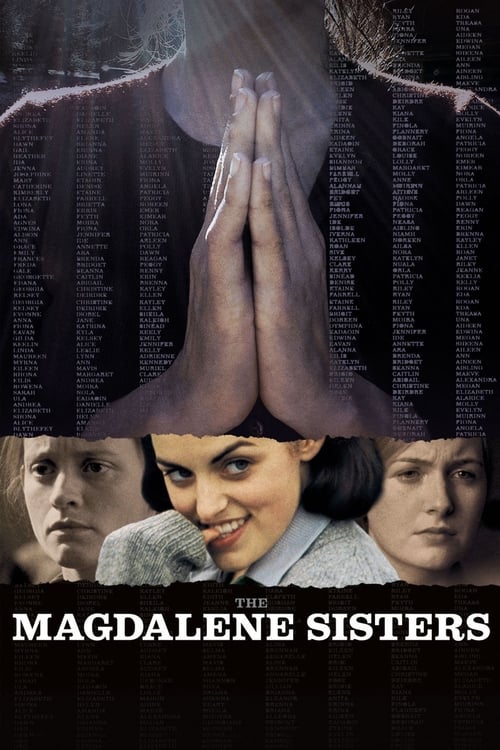
The Magdalene Sisters
Three young Irish women struggle to maintain their spirits while they endure dehumanizing abuse as inmates of a Magdalene Sisters Asylum.
Despite its modest budget of $5.0M, The Magdalene Sisters became a solid performer, earning $21.1M worldwide—a 322% return. The film's distinctive approach engaged audiences, showing that strong storytelling can transcend budget limitations.
Nominated for 2 BAFTA 18 wins & 15 nominations


Plot Structure
Story beats plotted across runtime


Narrative Arc
Emotional journey through the story's key moments
Story Circle
Blueprint 15-beat structure
Arcplot Score Breakdown
Weighted: Precision (70%) + Arc (15%) + Theme (15%)
The Magdalene Sisters (2002) exemplifies meticulously timed narrative architecture, characteristic of Peter Mullan's storytelling approach. This structural analysis examines how the film's 15-point plot structure maps to proven narrative frameworks across 1 hour and 59 minutes. With an Arcplot score of 7.0, the film balances conventional beats with creative variation.
Structural Analysis
The Status Quo at 1 minutes (1% through the runtime) establishes Young women in 1960s Ireland living ordinary lives with their families. Margaret at a wedding, Rose with her baby at the orphanage, Bernadette flirting with boys at school.. The analysis reveals that this early placement immediately immerses viewers in the story world.
The inciting incident occurs at 13 minutes when Each young woman is seized by family members and Church authorities. Their old lives are abruptly ended as they are taken against their will to the Magdalene Laundry.. At 11% through the film, this Disruption aligns precisely with traditional story structure. This beat shifts the emotional landscape, launching the protagonist into the central conflict.
The First Threshold at 29 minutes marks the transition into Act II, occurring at 25% of the runtime. This demonstrates the protagonist's commitment to The women begin working in the laundry, accepting their new reality. Though not a choice freely made, this marks their reluctant entry into the system of abuse and forced labor., moving from reaction to action.
At 58 minutes, the Midpoint arrives at 49% of the runtime—precisely centered, creating perfect narrative symmetry. The analysis reveals that this crucial beat A significant act of cruelty by Sister Bridget or the discovery that escape is nearly impossible. The false hope that families might rescue them is shattered, stakes are raised., fundamentally raising what's at risk. The emotional intensity shifts, dividing the narrative into clear before-and-after phases.
The Collapse moment at 88 minutes (74% through) represents the emotional nadir. Here, A devastating loss occurs—possibly a death, a complete mental breakdown of one of the women, or Rose learning her son has been adopted away permanently. The darkest moment of absolute powerlessness., indicates the protagonist at their lowest point. This beat's placement in the final quarter sets up the climactic reversal.
The Second Threshold at 93 minutes initiates the final act resolution at 78% of the runtime. The women gain information or opportunity for escape. They realize they must save themselves because no one else will. A shift from victimhood to agency, however limited., demonstrating the transformation achieved throughout the journey.
Emotional Journey
The Magdalene Sisters's emotional architecture traces a deliberate progression across 15 carefully calibrated beats.
Narrative Framework
This structural analysis employs a 15-point narrative structure framework that maps key story moments. By mapping The Magdalene Sisters against these established plot points, we can identify how Peter Mullan utilizes or subverts traditional narrative conventions. The plot point approach reveals not only adherence to structural principles but also creative choices that distinguish The Magdalene Sisters within the drama genre.
Comparative Analysis
Additional drama films include After Thomas, South Pacific and Dirty Dancing: Havana Nights.
Plot Points by Act
Act I
SetupStatus Quo
Young women in 1960s Ireland living ordinary lives with their families. Margaret at a wedding, Rose with her baby at the orphanage, Bernadette flirting with boys at school.
Theme
A priest or family member states that 'shame must be hidden' and women must be kept 'pure,' establishing the film's exploration of institutional control, shame, and the silencing of women.
Worldbuilding
Introduction of the three protagonists and the patriarchal society that will condemn them. Margaret is raped at a wedding, Rose is an unwed mother, Bernadette is deemed too attractive and flirtatious.
Disruption
Each young woman is seized by family members and Church authorities. Their old lives are abruptly ended as they are taken against their will to the Magdalene Laundry.
Resistance
The women arrive at the asylum and undergo dehumanizing intake rituals. They are stripped, their hair is cut, they receive numbers. They meet Sister Bridget and other inmates, learning the brutal rules of their new prison.
Act II
ConfrontationFirst Threshold
The women begin working in the laundry, accepting their new reality. Though not a choice freely made, this marks their reluctant entry into the system of abuse and forced labor.
Mirror World
Bonds form between the imprisoned women. Their relationships provide emotional support and represent resistance to the institution's attempts to isolate and break them.
Premise
Daily life in the laundry asylum. Grueling labor, psychological abuse from the nuns, moments of small rebellion, glimpses of the outside world that remind them of their captivity. Rose's separation from her child deepens.
Midpoint
A significant act of cruelty by Sister Bridget or the discovery that escape is nearly impossible. The false hope that families might rescue them is shattered, stakes are raised.
Opposition
Conditions worsen. Sexual abuse by priests is revealed, punishments intensify, attempted escapes are thwarted. The system tightens its grip. The women's spirits are systematically crushed.
Collapse
A devastating loss occurs—possibly a death, a complete mental breakdown of one of the women, or Rose learning her son has been adopted away permanently. The darkest moment of absolute powerlessness.
Crisis
The women grapple with despair and consider giving up entirely. They must decide whether to accept their fate or risk everything for freedom.
Act III
ResolutionSecond Threshold
The women gain information or opportunity for escape. They realize they must save themselves because no one else will. A shift from victimhood to agency, however limited.
Synthesis
Escape attempts and final confrontations with Sister Bridget and the institution. Some women escape to uncertain freedom, others remain trapped. The asylum continues its operations.
Transformation
Epilogue text reveals the fates of those who escaped versus those who remained institutionalized for decades. The closing images contrast freedom with continued imprisonment, showing both survival and the permanent scars of institutional abuse.