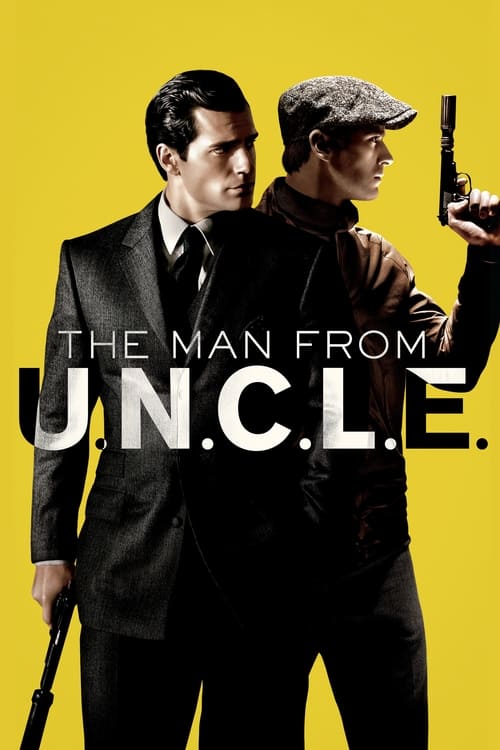
The Man from U.N.C.L.E.
At the height of the Cold War, a mysterious criminal organization plans to use nuclear weapons and technology to upset the fragile balance of power between the United States and Soviet Union. CIA agent Napoleon Solo and KGB agent Illya Kuryakin are forced to put aside their hostilities and work together to stop the evildoers in their tracks. The duo's only lead is the daughter of a missing German scientist, whom they must find soon to prevent a global catastrophe.
Working with a considerable budget of $75.0M, the film achieved a modest success with $110.0M in global revenue (+47% profit margin).
8 wins & 7 nominations


Plot Structure
Story beats plotted across runtime


Narrative Arc
Emotional journey through the story's key moments
Story Circle
Blueprint 15-beat structure
Arcplot Score Breakdown
Weighted: Precision (70%) + Arc (15%) + Theme (15%)
The Man from U.N.C.L.E. (2015) exemplifies carefully calibrated story structure, characteristic of Guy Ritchie's storytelling approach. This structural analysis examines how the film's 15-point plot structure maps to proven narrative frameworks across 1 hour and 56 minutes. With an Arcplot score of 6.8, the film balances conventional beats with creative variation.
Structural Analysis
The Status Quo at 1 minutes (1% through the runtime) establishes Cold War Berlin, 1963. CIA agent Napoleon Solo arrives at a checkpoint in East Berlin, smooth and confident, embodying American charm as he navigates the divided city on a mission to extract a mechanic's daughter.. Significantly, this early placement immediately immerses viewers in the story world.
The inciting incident occurs at 14 minutes when Solo and Illya's superiors force them to work together against their will. The CIA and KGB have formed an unlikely alliance because a Nazi-sympathizing criminal organization has Gaby's father and is building a nuclear weapon. The enemies must become partners.. At 12% through the film, this Disruption aligns precisely with traditional story structure. This beat shifts the emotional landscape, launching the protagonist into the central conflict.
The First Threshold at 29 minutes marks the transition into Act II, occurring at 25% of the runtime. This illustrates the protagonist's commitment to The team arrives in Rome and commits to the mission together. Despite their animosity, Solo and Illya choose to proceed with the operation to infiltrate the Vinciguerra shipping empire through Gaby's connection to her uncle Rudi. They step into the glamorous world of 1960s Italian high society., moving from reaction to action.
At 58 minutes, the Midpoint arrives at 50% of the runtime—precisely centered, creating perfect narrative symmetry. Significantly, this crucial beat False victory: The team successfully locates Gaby's father Dr. Teller and confirms the nuclear threat is real. Solo and Illya have a breakthrough moment of mutual respect during a dinner confrontation where they silently agree to cooperate rather than fight. Their partnership becomes genuine rather than forced., fundamentally raising what's at risk. The emotional intensity shifts, dividing the narrative into clear before-and-after phases.
The Collapse moment at 87 minutes (75% through) represents the emotional nadir. Here, Gaby is revealed to be a British agent who has been playing both Solo and Illya. Illya is captured and tortured by Rudi with an electric chair. Solo receives orders to kill Illya once the mission ends. The partnership appears shattered - built on lies from all sides. Dr. Teller dies. The nuclear warhead is en route to be sold., reveals the protagonist at their lowest point. This beat's placement in the final quarter sets up the climactic reversal.
The Second Threshold at 93 minutes initiates the final act resolution at 80% of the runtime. Solo chooses partnership over orders - he rescues Illya from torture rather than leaving him to die. Illya chooses to trust Solo despite the betrayals. Gaby reveals her true allegiance is to stopping the nuclear threat, not any nation. United by genuine trust rather than national obligation, the three prepare to stop Victoria together., demonstrating the transformation achieved throughout the journey.
Emotional Journey
The Man from U.N.C.L.E.'s emotional architecture traces a deliberate progression across 15 carefully calibrated beats.
Narrative Framework
This structural analysis employs proven narrative structure principles that track dramatic progression. By mapping The Man from U.N.C.L.E. against these established plot points, we can identify how Guy Ritchie utilizes or subverts traditional narrative conventions. The plot point approach reveals not only adherence to structural principles but also creative choices that distinguish The Man from U.N.C.L.E. within the comedy genre.
Guy Ritchie's Structural Approach
Among the 14 Guy Ritchie films analyzed on Arcplot, the average structural score is 6.4, demonstrating varied approaches to story architecture. The Man from U.N.C.L.E. represents one of the director's most structurally precise works. For comparative analysis, explore the complete Guy Ritchie filmography.
Comparative Analysis
Additional comedy films include The Bad Guys, Ella Enchanted and The Evening Star. For more Guy Ritchie analyses, see RocknRolla, Guy Ritchie's The Covenant and King Arthur: Legend of the Sword.
Plot Points by Act
Act I
SetupStatus Quo
Cold War Berlin, 1963. CIA agent Napoleon Solo arrives at a checkpoint in East Berlin, smooth and confident, embodying American charm as he navigates the divided city on a mission to extract a mechanic's daughter.
Theme
Gaby tells Solo that her father always said "the right tool for the right job" - establishing the theme that effective partnerships require putting aside differences and using complementary strengths.
Worldbuilding
East Berlin extraction mission establishes the Cold War world of espionage. Solo attempts to extract Gaby while being pursued by Illya Kuryakin. We see both agents' extraordinary skills - Solo's suave resourcefulness and Illya's relentless physical prowess - as they engage in a thrilling car chase through the divided city.
Disruption
Solo and Illya's superiors force them to work together against their will. The CIA and KGB have formed an unlikely alliance because a Nazi-sympathizing criminal organization has Gaby's father and is building a nuclear weapon. The enemies must become partners.
Resistance
The reluctant partnership forms as Waverly briefs the team. Solo and Illya clash constantly - culturally, ideologically, and personally. Illya struggles with his temper while Solo remains detached and self-serving. They prepare their cover: Illya will pose as Gaby's fiance, an arrangement neither welcomes.
Act II
ConfrontationFirst Threshold
The team arrives in Rome and commits to the mission together. Despite their animosity, Solo and Illya choose to proceed with the operation to infiltrate the Vinciguerra shipping empire through Gaby's connection to her uncle Rudi. They step into the glamorous world of 1960s Italian high society.
Mirror World
Gaby and Illya share an unexpectedly intimate moment in their hotel room, dancing drunkenly and wrestling playfully. This relationship becomes the emotional heart of the film, representing the possibility that Cold War enemies can find genuine human connection beyond their national allegiances.
Premise
The "fun and games" of stylish 1960s spy action unfolds. Solo charms Victoria Vinciguerra while Illya plays protective fiance to Gaby. The agents engage in competing surveillance, fashion montages, boat chases, and witty banter. Solo casually eats a sandwich while Illya fights for his life on a boat - their contrasting styles providing dark comedy.
Midpoint
False victory: The team successfully locates Gaby's father Dr. Teller and confirms the nuclear threat is real. Solo and Illya have a breakthrough moment of mutual respect during a dinner confrontation where they silently agree to cooperate rather than fight. Their partnership becomes genuine rather than forced.
Opposition
Victoria Vinciguerra reveals herself as the true threat - more ruthless than her husband Alexander. The team's surveillance is compromised. Solo discovers Victoria's nuclear ambitions while Illya's emotional attachment to Gaby becomes a liability. The Vinciguerras capture Dr. Teller and prepare to sell the completed warhead. Trust between the agents is tested when Solo is ordered to eliminate Illya.
Collapse
Gaby is revealed to be a British agent who has been playing both Solo and Illya. Illya is captured and tortured by Rudi with an electric chair. Solo receives orders to kill Illya once the mission ends. The partnership appears shattered - built on lies from all sides. Dr. Teller dies. The nuclear warhead is en route to be sold.
Crisis
Solo faces his defining choice: follow orders and eliminate his partner, or trust the bond they've formed. Illya, battered from torture, must decide if he can trust anyone. Gaby's true loyalties remain unclear. The nuclear weapon is hours from being sold to an unnamed hostile power.
Act III
ResolutionSecond Threshold
Solo chooses partnership over orders - he rescues Illya from torture rather than leaving him to die. Illya chooses to trust Solo despite the betrayals. Gaby reveals her true allegiance is to stopping the nuclear threat, not any nation. United by genuine trust rather than national obligation, the three prepare to stop Victoria together.
Synthesis
The finale unfolds across land, sea and air. Illya pursues the nuclear warhead on a motorcycle while Solo infiltrates the island facility. Gaby plays her role perfectly. Victoria dies when her helicopter crashes into her own boat. The warhead is secured. Solo burns the KGB file that could destroy Illya rather than using it as leverage, and Illya reciprocates by destroying Solo's CIA file.
Transformation
Waverly formally creates U.N.C.L.E. - the United Network Command for Law and Enforcement. Solo, Illya, and Gaby are no longer CIA, KGB, or MI6 agents but partners in a new organization that transcends Cold War divisions. The former enemies walk together toward their next mission, transformed from rivals into a team bound by trust rather than nationality.