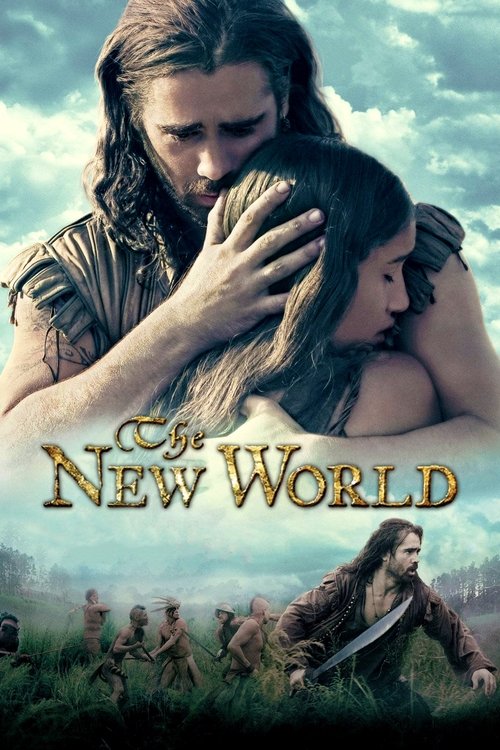
The New World
A drama about explorer John Smith and the clash between Native Americans and English settlers in the 17th century.
Working with a respectable budget of $30.0M, the film achieved a steady performer with $30.5M in global revenue (+2% profit margin).
Nominated for 1 Oscar. 6 wins & 34 nominations


Plot Structure
Story beats plotted across runtime


Narrative Arc
Emotional journey through the story's key moments
Story Circle
Blueprint 15-beat structure
Arcplot Score Breakdown
Weighted: Precision (70%) + Arc (15%) + Theme (15%)
The New World (2005) reveals strategically placed narrative architecture, characteristic of Terrence Malick's storytelling approach. This structural analysis examines how the film's 15-point plot structure maps to proven narrative frameworks across 2 hours and 31 minutes. With an Arcplot score of 7.3, the film balances conventional beats with creative variation.
Structural Analysis
The Status Quo at 1 minutes (1% through the runtime) establishes Opening images of pristine Virginia wilderness and indigenous people living in harmony with nature before European arrival. Pocahontas and her tribe exist in an edenic state.. The analysis reveals that this early placement immediately immerses viewers in the story world.
The inciting incident occurs at 17 minutes when John Smith is captured by Powhatan warriors while exploring. His life is threatened, creating the catalyst for the central relationship and cultural collision that drives the narrative.. At 12% through the film, this Disruption aligns precisely with traditional story structure. This beat shifts the emotional landscape, launching the protagonist into the central conflict.
The First Threshold at 37 minutes marks the transition into Act II, occurring at 24% of the runtime. This shows the protagonist's commitment to Smith actively chooses to fully embrace life with the Naturals and pursue his connection with Pocahontas. He abandons his English identity, declaring his love for this new world and her., moving from reaction to action.
At 74 minutes, the Midpoint arrives at 49% of the runtime—precisely centered, creating perfect narrative symmetry. Significantly, this crucial beat Smith is called back to Jamestown to lead the failing colony. Duty and ambition reassert themselves. He must choose between love and leadership. The political realities of colonization intrude on the edenic dream. False defeat as he appears to choose the colony., fundamentally raising what's at risk. The emotional intensity shifts, dividing the narrative into clear before-and-after phases.
The Collapse moment at 110 minutes (73% through) represents the emotional nadir. Here, Pocahontas is told that John Smith has died. Her world shatters - she loses herself, living as an exile among her people. The death of the dream and her identity. Literal "whiff of death" with Smith's reported demise., reveals the protagonist at their lowest point. This beat's placement in the final quarter sets up the climactic reversal.
The Second Threshold at 120 minutes initiates the final act resolution at 79% of the runtime. Pocahontas chooses to marry John Rolfe, convert to Christianity, and accept a new identity as Rebecca. This is an active choice to bridge worlds through synthesis rather than romantic idealism. She chooses a conscious path forward., demonstrating the transformation achieved throughout the journey.
Emotional Journey
The New World's emotional architecture traces a deliberate progression across 15 carefully calibrated beats.
Narrative Framework
This structural analysis employs proven narrative structure principles that track dramatic progression. By mapping The New World against these established plot points, we can identify how Terrence Malick utilizes or subverts traditional narrative conventions. The plot point approach reveals not only adherence to structural principles but also creative choices that distinguish The New World within the drama genre.
Terrence Malick's Structural Approach
Among the 4 Terrence Malick films analyzed on Arcplot, the average structural score is 7.0, demonstrating varied approaches to story architecture. The New World represents one of the director's most structurally precise works. For comparative analysis, explore the complete Terrence Malick filmography.
Comparative Analysis
Additional drama films include After Thomas, South Pacific and Dirty Dancing: Havana Nights. For more Terrence Malick analyses, see The Tree of Life, A Hidden Life and The Thin Red Line.
Plot Points by Act
Act I
SetupStatus Quo
Opening images of pristine Virginia wilderness and indigenous people living in harmony with nature before European arrival. Pocahontas and her tribe exist in an edenic state.
Theme
Pocahontas's voiceover contemplates the nature of the world and connection: "Mother, where do you live? In the sky, the clouds, the sea?" Establishes themes of identity, belonging, and the collision of worlds.
Worldbuilding
Establishment of two worlds: the Powhatan tribe's natural existence and the arrival of English settlers at Jamestown. John Smith is introduced as a condemned man given a second chance. The settlers struggle to survive in unfamiliar territory.
Disruption
John Smith is captured by Powhatan warriors while exploring. His life is threatened, creating the catalyst for the central relationship and cultural collision that drives the narrative.
Resistance
Smith is brought before Chief Powhatan and spared through Pocahontas's intervention. He lives among the Naturals, learning their ways. Pocahontas becomes his guide to this new world, teaching him language and customs while a tentative connection forms.
Act II
ConfrontationFirst Threshold
Smith actively chooses to fully embrace life with the Naturals and pursue his connection with Pocahontas. He abandons his English identity, declaring his love for this new world and her.
Mirror World
The love between Smith and Pocahontas fully blossoms. She represents the thematic mirror - natural authenticity versus European civilization, genuine connection versus duty and ambition.
Premise
Smith and Pocahontas exist in an edenic romance, exploring the promise of two worlds merging. Beautiful sequences of their love, teaching, and mutual discovery. The idyll of cultural exchange and genuine human connection.
Midpoint
Smith is called back to Jamestown to lead the failing colony. Duty and ambition reassert themselves. He must choose between love and leadership. The political realities of colonization intrude on the edenic dream. False defeat as he appears to choose the colony.
Opposition
Smith leads Jamestown but tensions escalate between settlers and Natives. Pocahontas visits the fort but sees Smith consumed by colonial politics. Their worlds drift apart. She returns to her people. Warfare and mistrust grow between the cultures.
Collapse
Pocahontas is told that John Smith has died. Her world shatters - she loses herself, living as an exile among her people. The death of the dream and her identity. Literal "whiff of death" with Smith's reported demise.
Crisis
Pocahontas in despair, wandering in darkness. She is displaced, belonging to neither world. John Rolfe encounters her and slowly, gently offers a different kind of relationship - one based on respect and choice rather than passion.
Act III
ResolutionSecond Threshold
Pocahontas chooses to marry John Rolfe, convert to Christianity, and accept a new identity as Rebecca. This is an active choice to bridge worlds through synthesis rather than romantic idealism. She chooses a conscious path forward.
Synthesis
Pocahontas travels to England as Rebecca Rolfe. She navigates English society, gardens, and court life. She encounters Smith again, alive, and realizes he chose ambition over love. She affirms her choice of Rolfe and her new integrated identity. The finale resolves her journey from nature child to conscious bridge between worlds.
Transformation
Pocahontas in English gardens with her son, having found peace and new belonging. Mirror image of the opening - she has transformed from innocent natural being to conscious, self-determined woman who carries both worlds within her. She returns to nature transformed.