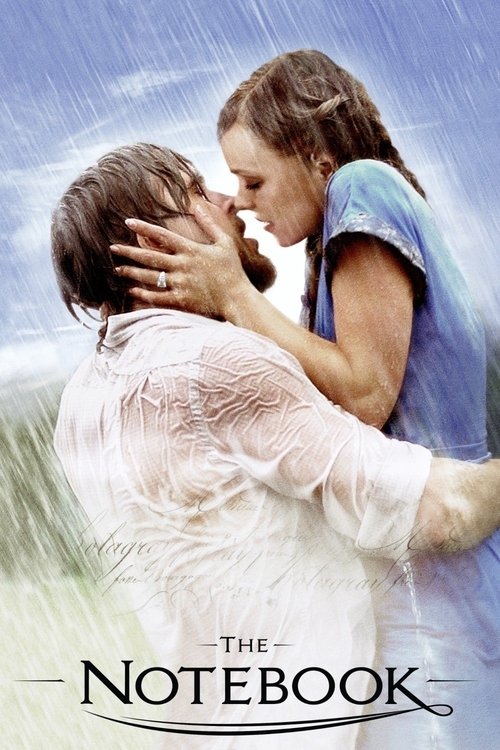
The Notebook
An epic love story centered around an older man who reads aloud to a woman with Alzheimer's. From a faded notebook, the old man's words bring to life the story about a couple who is separated by World War II, and is then passionately reunited, seven years later, after they have taken different paths.
Despite a mid-range budget of $29.0M, The Notebook became a box office success, earning $115.6M worldwide—a 299% return.
12 wins & 10 nominations


Plot Structure
Story beats plotted across runtime


Narrative Arc
Emotional journey through the story's key moments
Story Circle
Blueprint 15-beat structure
Arcplot Score Breakdown
Weighted: Precision (70%) + Arc (15%) + Theme (15%)
The Notebook (2004) showcases deliberately positioned narrative design, characteristic of Nick Cassavetes's storytelling approach. This structural analysis examines how the film's 15-point plot structure maps to proven narrative frameworks across 2 hours and 3 minutes. With an Arcplot score of 6.9, the film balances conventional beats with creative variation.
Structural Analysis
The Status Quo at 1 minutes (1% through the runtime) establishes Elderly Duke begins reading to dementia patient Allie in nursing home. Establishes frame narrative of enduring love despite memory loss.. Structural examination shows that this early placement immediately immerses viewers in the story world.
The inciting incident occurs at 13 minutes when Allie agrees to go on date with Noah after his Ferris wheel stunt. Choice to cross social boundaries disrupts her planned summer.. At 11% through the film, this Disruption aligns precisely with traditional story structure. This beat shifts the emotional landscape, launching the protagonist into the central conflict.
The First Threshold at 30 minutes marks the transition into Act II, occurring at 24% of the runtime. This demonstrates the protagonist's commitment to Allie and Noah make love for the first time. Active choice to fully commit to relationship despite knowing her parents' disapproval., moving from reaction to action.
At 58 minutes, the Midpoint arrives at 48% of the runtime—precisely centered, creating perfect narrative symmetry. The analysis reveals that this crucial beat Allie's parents forcibly separate them, taking her away. Summer ends abruptly. False defeat as their love seems destroyed by class divide., fundamentally raising what's at risk. The emotional intensity shifts, dividing the narrative into clear before-and-after phases.
The Collapse moment at 87 minutes (71% through) represents the emotional nadir. Here, Allie discovers her mother hid Noah's letters for years. Death of innocence and trust. The lie that nearly killed their love is revealed., illustrates the protagonist at their lowest point. This beat's placement in the final quarter sets up the climactic reversal.
The Second Threshold at 97 minutes initiates the final act resolution at 79% of the runtime. Allie's mother shows her Noah rebuilt their house, reveals she had her own forbidden love. Synthesis: understanding that true love requires sacrifice., demonstrating the transformation achieved throughout the journey.
Emotional Journey
The Notebook's emotional architecture traces a deliberate progression across 15 carefully calibrated beats.
Narrative Framework
This structural analysis employs systematic plot point analysis that identifies crucial turning points. By mapping The Notebook against these established plot points, we can identify how Nick Cassavetes utilizes or subverts traditional narrative conventions. The plot point approach reveals not only adherence to structural principles but also creative choices that distinguish The Notebook within the romance genre.
Nick Cassavetes's Structural Approach
Among the 6 Nick Cassavetes films analyzed on Arcplot, the average structural score is 6.8, demonstrating varied approaches to story architecture. The Notebook represents one of the director's most structurally precise works. For comparative analysis, explore the complete Nick Cassavetes filmography.
Comparative Analysis
Additional romance films include South Pacific, Dirty Dancing: Havana Nights and The Evening Star. For more Nick Cassavetes analyses, see The Other Woman, John Q and My Sister's Keeper.
Plot Points by Act
Act I
SetupStatus Quo
Elderly Duke begins reading to dementia patient Allie in nursing home. Establishes frame narrative of enduring love despite memory loss.
Theme
Duke reads: "The best love is the kind that awakens the soul." Theme of transcendent, transformative love stated through the notebook.
Worldbuilding
Summer 1940: Young Noah meets Allie at carnival. Establishes class divide (working-class Noah vs wealthy Allie), initial attraction, and Noah's persistence.
Disruption
Allie agrees to go on date with Noah after his Ferris wheel stunt. Choice to cross social boundaries disrupts her planned summer.
Resistance
Noah and Allie's summer courtship deepens. Allie debates between family expectations and her feelings. Parental opposition intensifies.
Act II
ConfrontationFirst Threshold
Allie and Noah make love for the first time. Active choice to fully commit to relationship despite knowing her parents' disapproval.
Mirror World
Noah takes Allie to abandoned house, shares dream of restoring it. Vision of future together represents thematic promise of building love.
Premise
Peak of summer romance. Noah and Allie explore passionate love, making promises. Brief utopian period before external forces intervene.
Midpoint
Allie's parents forcibly separate them, taking her away. Summer ends abruptly. False defeat as their love seems destroyed by class divide.
Opposition
Seven years pass. Noah writes 365 letters (all intercepted by mother). Both move on: Noah to war, Allie to engagement with Lon. Distance and time as antagonists.
Collapse
Allie discovers her mother hid Noah's letters for years. Death of innocence and trust. The lie that nearly killed their love is revealed.
Crisis
Allie faces impossible choice between Lon (security, family approval) and Noah (true love, uncertainty). Dark night wrestling with decision.
Act III
ResolutionSecond Threshold
Allie's mother shows her Noah rebuilt their house, reveals she had her own forbidden love. Synthesis: understanding that true love requires sacrifice.
Synthesis
Allie chooses Noah. Frame reveals Duke is Noah, Allie briefly remembers. They die together in nursing home bed, reunited despite dementia.
Transformation
Noah and Allie found dead together in bed, holding hands. Visual echo of Status Quo transformed: love literally transcends death and memory.