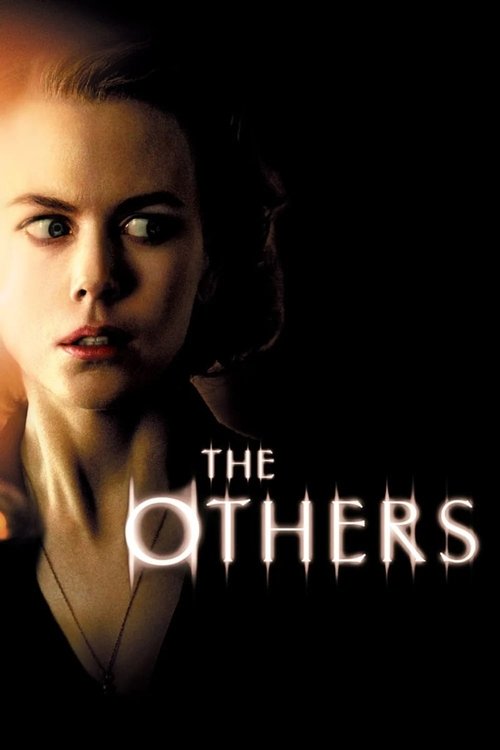
The Others
Grace is a religious woman who lives in an old house kept dark because her two children, Anne and Nicholas, have a rare sensitivity to light. When the family begins to suspect the house is haunted, Grace fights to protect her children at any cost in the face of strange events and disturbing visions.
Despite a mid-range budget of $17.0M, The Others became a runaway success, earning $210.0M worldwide—a remarkable 1135% return.
Nominated for 2 BAFTA 29 wins & 55 nominations


Plot Structure
Story beats plotted across runtime


Narrative Arc
Emotional journey through the story's key moments
Story Circle
Blueprint 15-beat structure
Arcplot Score Breakdown
Weighted: Precision (70%) + Arc (15%) + Theme (15%)
The Others (2001) exhibits precise dramatic framework, characteristic of Alejandro Amenábar's storytelling approach. This structural analysis examines how the film's 15-point plot structure maps to proven narrative frameworks across 1 hour and 41 minutes. With an Arcplot score of 7.6, the film showcases strong structural fundamentals.
Structural Analysis
The Status Quo at 1 minutes (1% through the runtime) establishes Grace wakes from a nightmare, screaming. The isolated Jersey mansion is established as a place of darkness and strict rules, where curtains must remain drawn due to the children's photosensitivity. A world defined by rigid control and fear.. Of particular interest, this early placement immediately immerses viewers in the story world.
The inciting incident occurs at 12 minutes when Anne insists she has been visited by a boy named Victor and other "intruders" in the house. Grace dismisses it as lies, but the paranormal disturbances begin—piano playing by itself, footsteps overhead. The status quo of controlled isolation is disrupted by forces Grace cannot explain or control.. At 12% through the film, this Disruption aligns precisely with traditional story structure. This beat shifts the emotional landscape, launching the protagonist into the central conflict.
The First Threshold at 26 minutes marks the transition into Act II, occurring at 25% of the runtime. This shows the protagonist's commitment to Grace commits to investigating the haunting after witnessing undeniable phenomena—doors opening on their own, the children's terror. She actively chooses to search for answers rather than simply dismissing the events, crossing from denial into reluctant investigation of the supernatural., moving from reaction to action.
At 51 minutes, the Midpoint arrives at 51% of the runtime—precisely centered, creating perfect narrative symmetry. The analysis reveals that this crucial beat Grace finds Anne seemingly transformed into a wrinkled old woman (actually the medium from the "other side"). This false defeat terrifies Grace—she's losing her children to forces she cannot fight. The supernatural threat becomes undeniably real and personal. The stakes escalate from mysterious disturbances to direct assault on her family., fundamentally raising what's at risk. The emotional intensity shifts, dividing the narrative into clear before-and-after phases.
The Collapse moment at 77 minutes (76% through) represents the emotional nadir. Here, Grace confronts the servants with their gravestones. Mrs. Mills gently confirms they are all dead—including Grace and the children. The whiff of death becomes literal: Grace smothered her children with a pillow during a breakdown, then shot herself. Everything she believed about herself and her world collapses., reveals the protagonist at their lowest point. This beat's placement in the final quarter sets up the climactic reversal.
The Second Threshold at 83 minutes initiates the final act resolution at 82% of the runtime. Grace finally accepts the truth. She goes to her children and acknowledges what she did: "I killed you." Rather than continued denial or madness, she chooses acceptance and asks for their forgiveness. This synthesis of her rigid worldview with reality enables a new beginning., demonstrating the transformation achieved throughout the journey.
Emotional Journey
The Others's emotional architecture traces a deliberate progression across 15 carefully calibrated beats.
Narrative Framework
This structural analysis employs systematic plot point analysis that identifies crucial turning points. By mapping The Others against these established plot points, we can identify how Alejandro Amenábar utilizes or subverts traditional narrative conventions. The plot point approach reveals not only adherence to structural principles but also creative choices that distinguish The Others within the horror genre.
Alejandro Amenábar's Structural Approach
Among the 5 Alejandro Amenábar films analyzed on Arcplot, the average structural score is 7.2, reflecting strong command of classical structure. The Others represents one of the director's most structurally precise works. For comparative analysis, explore the complete Alejandro Amenábar filmography.
Comparative Analysis
Additional horror films include Thinner, A Nightmare on Elm Street and Mary Reilly. For more Alejandro Amenábar analyses, see The Sea Inside, Regression and Agora.
Plot Points by Act
Act I
SetupStatus Quo
Grace wakes from a nightmare, screaming. The isolated Jersey mansion is established as a place of darkness and strict rules, where curtains must remain drawn due to the children's photosensitivity. A world defined by rigid control and fear.
Theme
During a religious lesson, Anne challenges Grace's teachings about limbo and the afterlife. "Only I know what's in limbo," Grace insists. The theme of rigid belief systems preventing acceptance of uncomfortable truths is established through the children's questioning of their mother's certainty.
Worldbuilding
The claustrophobic world of the mansion is established: doors must be locked before others open, curtains stay drawn, the children cannot go outside. Grace maintains strict religious discipline. The previous servants mysteriously vanished. Three new servants arrive—Mrs. Mills, Mr. Tuttle, and Lydia—who seem strangely familiar with the house.
Disruption
Anne insists she has been visited by a boy named Victor and other "intruders" in the house. Grace dismisses it as lies, but the paranormal disturbances begin—piano playing by itself, footsteps overhead. The status quo of controlled isolation is disrupted by forces Grace cannot explain or control.
Resistance
Grace struggles to rationalize the disturbances while Mrs. Mills subtly guides her toward acceptance. Grace searches the house for intruders, maintains rigid denial, and punishes Anne for "lying" about Victor. The servants exchange knowing glances. Grace debates whether to acknowledge what's happening or maintain her worldview.
Act II
ConfrontationFirst Threshold
Grace commits to investigating the haunting after witnessing undeniable phenomena—doors opening on their own, the children's terror. She actively chooses to search for answers rather than simply dismissing the events, crossing from denial into reluctant investigation of the supernatural.
Mirror World
Mrs. Mills becomes Grace's confidante and thematic mirror. While Grace clings to rigid religious certainty, Mrs. Mills suggests "the house knows its inhabitants." The servants represent acceptance of death's reality—what Grace must eventually learn. Their calm knowing contrasts with Grace's desperate control.
Premise
The gothic mystery deepens as Grace investigates. Anne communicates with Victor and "the old woman." Curtains are mysteriously removed, endangering the children. Grace discovers a book of death portraits—Victorian photographs of the deceased. Charles, Grace's husband, returns from the war but seems changed, distant, almost ghostly himself.
Midpoint
Grace finds Anne seemingly transformed into a wrinkled old woman (actually the medium from the "other side"). This false defeat terrifies Grace—she's losing her children to forces she cannot fight. The supernatural threat becomes undeniably real and personal. The stakes escalate from mysterious disturbances to direct assault on her family.
Opposition
Grace's world crumbles. Charles leaves again, walking into the fog and disappearing. The "intruders" grow bolder. Grace attempts to leave for help but becomes lost in endless fog, always returning to the house. She discovers gravestones in the garden with the servants' names. Her control and certainty dissolve as each rational explanation fails.
Collapse
Grace confronts the servants with their gravestones. Mrs. Mills gently confirms they are all dead—including Grace and the children. The whiff of death becomes literal: Grace smothered her children with a pillow during a breakdown, then shot herself. Everything she believed about herself and her world collapses.
Crisis
Grace processes the devastating truth. Fragmented memories surface: her madness, the murders, her suicide. She confronts the unbearable guilt of killing her own children. The religious certainty that defined her identity—that she was righteous, that she knew truth from lies—completely shatters.
Act III
ResolutionSecond Threshold
Grace finally accepts the truth. She goes to her children and acknowledges what she did: "I killed you." Rather than continued denial or madness, she chooses acceptance and asks for their forgiveness. This synthesis of her rigid worldview with reality enables a new beginning.
Synthesis
The séance that has been glimpsed throughout is revealed in full—the living family trying to communicate with the ghosts. Grace and the children frighten away the living "intruders." The family accepts their existence as ghosts and claims the house as their own. Grace has transformed from denial to acceptance.
Transformation
Grace opens the curtains, letting light flood in—no longer afraid. "This house is ours," she declares as the living family flees. The woman who controlled every aspect of her world through fear now embraces an existence without rigid rules. The closing image mirrors the opening: the same house, but Grace is finally at peace with the truth.