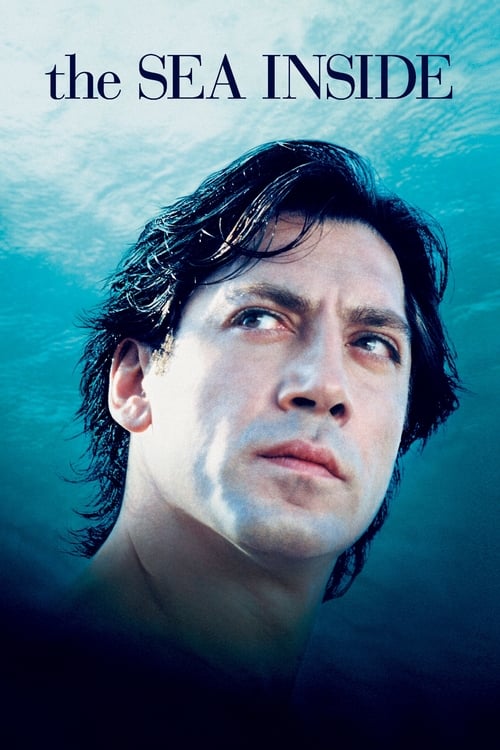
The Sea Inside
Ramón Sampedro is a ship mechanic and part-time poet left a quadriplegic following a diving accident. Ramón fought for 30 years for the legal right to end his own life. He develops close relationships with his long-term lawyer Julia and his friend Rosa, who tries to convince him that his life is worth living. Despite his situation, Ramón manages to inspire those around him to live life to the fullest.
Despite its small-scale budget of $12.8M, The Sea Inside became a box office success, earning $43.7M worldwide—a 241% return. The film's bold vision engaged audiences, showing that strong storytelling can transcend budget limitations.
1 Oscar. 69 wins & 38 nominations


Plot Structure
Story beats plotted across runtime


Narrative Arc
Emotional journey through the story's key moments
Story Circle
Blueprint 15-beat structure
Arcplot Score Breakdown
Weighted: Precision (70%) + Arc (15%) + Theme (15%)
The Sea Inside (2004) demonstrates meticulously timed narrative design, characteristic of Alejandro Amenábar's storytelling approach. This structural analysis examines how the film's 15-point plot structure maps to proven narrative frameworks across 2 hours and 6 minutes. With an Arcplot score of 6.9, the film balances conventional beats with creative variation.
Structural Analysis
The Status Quo at 1 minutes (1% through the runtime) establishes Ramón Sampedro lies paralyzed in bed, gazing out the window at the sea he can no longer reach. His fantasy flight sequence reveals his trapped existence - a vibrant mind imprisoned in an unresponsive body for 26 years.. Notably, this early placement immediately immerses viewers in the story world.
The inciting incident occurs at 14 minutes when Julia, a lawyer who also suffers from a degenerative disease, arrives to help Ramón with his legal fight for the right to die with dignity. Her arrival brings new hope and purpose to his campaign, transforming it from abstract principle to concrete action.. At 11% through the film, this Disruption aligns precisely with traditional story structure. This beat shifts the emotional landscape, launching the protagonist into the central conflict.
The First Threshold at 31 minutes marks the transition into Act II, occurring at 24% of the runtime. This reveals the protagonist's commitment to Ramón makes the active choice to publicly pursue his legal right to assisted suicide, appearing on television and fully committing to the court case. This decision transforms his private wish into a public crusade, accepting all consequences., moving from reaction to action.
At 61 minutes, the Midpoint arrives at 49% of the runtime—precisely centered, creating perfect narrative symmetry. Of particular interest, this crucial beat The court denies Ramón's petition for assisted suicide. This false defeat raises the stakes - the legal system has failed him, forcing him to consider illegal means. Simultaneously, Julia's disease progresses, making their relationship more urgent and tragic., fundamentally raising what's at risk. The emotional intensity shifts, dividing the narrative into clear before-and-after phases.
The Collapse moment at 92 minutes (73% through) represents the emotional nadir. Here, Julia, now severely disabled by her progressing disease, chooses life and attempts suicide but fails, then disappears from Ramón's life entirely. His primary ally and romantic hope abandons him. Rosa also cannot commit to helping him die, leaving Ramón utterly alone in his mission., indicates the protagonist at their lowest point. This beat's placement in the final quarter sets up the climactic reversal.
The Second Threshold at 100 minutes initiates the final act resolution at 80% of the runtime. Rosa returns with a network of friends willing to help Ramón die in a way that protects them legally. Ramón synthesizes his learnings: love means respecting someone's autonomous choice, even when it breaks your heart. He accepts help while designing a method that keeps everyone legally safe., demonstrating the transformation achieved throughout the journey.
Emotional Journey
The Sea Inside's emotional architecture traces a deliberate progression across 15 carefully calibrated beats.
Narrative Framework
This structural analysis employs systematic plot point analysis that identifies crucial turning points. By mapping The Sea Inside against these established plot points, we can identify how Alejandro Amenábar utilizes or subverts traditional narrative conventions. The plot point approach reveals not only adherence to structural principles but also creative choices that distinguish The Sea Inside within the drama genre.
Alejandro Amenábar's Structural Approach
Among the 5 Alejandro Amenábar films analyzed on Arcplot, the average structural score is 7.2, reflecting strong command of classical structure. The Sea Inside takes a more unconventional approach compared to the director's typical style. For comparative analysis, explore the complete Alejandro Amenábar filmography.
Comparative Analysis
Additional drama films include After Thomas, South Pacific and Dirty Dancing: Havana Nights. For more Alejandro Amenábar analyses, see The Others, Regression and Agora.
Plot Points by Act
Act I
SetupStatus Quo
Ramón Sampedro lies paralyzed in bed, gazing out the window at the sea he can no longer reach. His fantasy flight sequence reveals his trapped existence - a vibrant mind imprisoned in an unresponsive body for 26 years.
Theme
Ramón's lawyer Gené states: "Living is a right, not an obligation." This encapsulates the film's central question about autonomy, dignity, and the right to choose one's own death when life becomes unbearable.
Worldbuilding
Establishment of Ramón's daily life in his family's Galician home. We meet his devoted brother José, sister-in-law Manuela, nephew Javi, and elderly father. Ramón writes poetry, engages in intellectual debates, and maintains his wit despite complete physical dependence.
Disruption
Julia, a lawyer who also suffers from a degenerative disease, arrives to help Ramón with his legal fight for the right to die with dignity. Her arrival brings new hope and purpose to his campaign, transforming it from abstract principle to concrete action.
Resistance
Ramón debates with those who oppose his wish to die: Father Francisco (a quadriplegic priest who believes life is sacred), his family who cannot accept losing him, and society's legal framework. Julia helps him prepare his legal case while romantic tension builds between them.
Act II
ConfrontationFirst Threshold
Ramón makes the active choice to publicly pursue his legal right to assisted suicide, appearing on television and fully committing to the court case. This decision transforms his private wish into a public crusade, accepting all consequences.
Mirror World
Rosa, a working-class woman from the cannery, enters Ramón's life offering uncomplicated love and acceptance. Unlike Julia (intellectual, dying), Rosa represents simple human connection and the possibility of choosing life through love rather than death through principle.
Premise
The exploration of Ramón's philosophical battle for dignity. His relationships deepen with both Julia and Rosa. He shares his poetry, engages in passionate debates with Father Francisco, and builds his legal case. His fantasy sequences reveal the richness of his inner life contrasted with physical imprisonment.
Midpoint
The court denies Ramón's petition for assisted suicide. This false defeat raises the stakes - the legal system has failed him, forcing him to consider illegal means. Simultaneously, Julia's disease progresses, making their relationship more urgent and tragic.
Opposition
Pressure intensifies from all sides. Julia's health deteriorates and she withdraws from Ramón's life. Rosa insists he can find meaning through her love. Father Francisco escalates religious arguments. Ramón's family struggles with the morality of helping him die. The opposition to his wish grows stronger even as his resolve hardens.
Collapse
Julia, now severely disabled by her progressing disease, chooses life and attempts suicide but fails, then disappears from Ramón's life entirely. His primary ally and romantic hope abandons him. Rosa also cannot commit to helping him die, leaving Ramón utterly alone in his mission.
Crisis
Ramón contemplates his complete isolation. Everyone he loves has either abandoned him or refuses to help him achieve his goal. He processes the dark reality that he may remain trapped in his body indefinitely, or must find a way forward alone without legal sanction or family support.
Act III
ResolutionSecond Threshold
Rosa returns with a network of friends willing to help Ramón die in a way that protects them legally. Ramón synthesizes his learnings: love means respecting someone's autonomous choice, even when it breaks your heart. He accepts help while designing a method that keeps everyone legally safe.
Synthesis
Ramón orchestrates his final day with meticulous care. He records his farewell video affirming his choice and absolving all helpers. Friends relay the poison in stages so no single person is responsible. Ramón drinks it himself, maintaining autonomy to the end. He dies peacefully, finally free.
Transformation
Title cards reveal Rosa was prosecuted but not convicted - society acknowledged the moral complexity. A final fantasy shows Ramón's spirit finally flying free over the sea, his consciousness no longer imprisoned. The transformation is complete: from trapped body to liberated spirit, from asking permission to claiming autonomy.