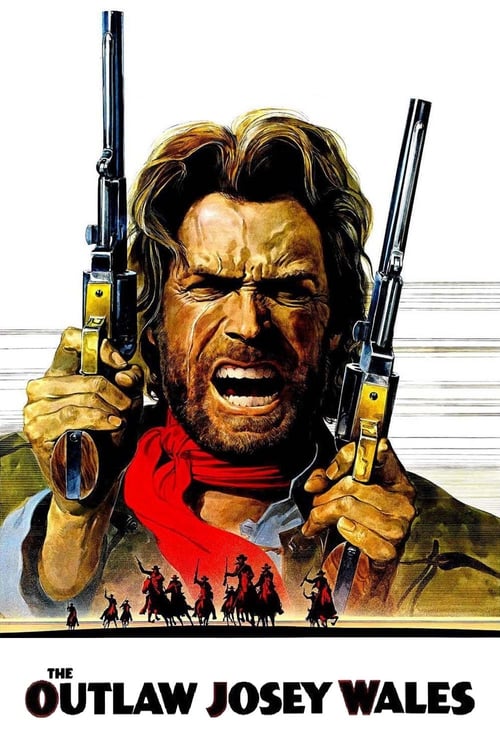
The Outlaw Josey Wales
After avenging his family's brutal murder, Wales is pursued by a pack of soldiers. He prefers to travel alone, but ragtag outcasts are drawn to him - and Wales can't bring himself to leave them unprotected.
Despite its small-scale budget of $3.7M, The Outlaw Josey Wales became a box office phenomenon, earning $31.8M worldwide—a remarkable 759% return. The film's unconventional structure engaged audiences, demonstrating that strong storytelling can transcend budget limitations.
Nominated for 1 Oscar. 1 win & 2 nominations


Plot Structure
Story beats plotted across runtime


Narrative Arc
Emotional journey through the story's key moments
Story Circle
Blueprint 15-beat structure
Arcplot Score Breakdown
Weighted: Precision (70%) + Arc (15%) + Theme (15%)
The Outlaw Josey Wales (1976) exhibits meticulously timed dramatic framework, characteristic of Clint Eastwood's storytelling approach. This structural analysis examines how the film's 15-point plot structure maps to proven narrative frameworks across 2 hours and 15 minutes. With an Arcplot score of 6.8, the film balances conventional beats with creative variation.
Structural Analysis
The Status Quo at 1 minutes (1% through the runtime) establishes Josey Wales plows his field as his young son helps him. A peaceful farmer with his family - the life that will be destroyed, showing what he had to lose.. Notably, this early placement immediately immerses viewers in the story world.
The inciting incident occurs at 16 minutes when Redleg guerrillas led by Terrill murder Josey's wife and son and burn his home. The inciting incident that destroys his peaceful life and sets him on the path of revenge.. At 12% through the film, this Disruption aligns precisely with traditional story structure. This beat shifts the emotional landscape, launching the protagonist into the central conflict.
The First Threshold at 33 minutes marks the transition into Act II, occurring at 25% of the runtime. This reveals the protagonist's commitment to Josey refuses to surrender when his compatriots are massacred during the "amnesty" ceremony. He rescues Jamie and chooses the outlaw life, knowing he can never go back. The choice that launches Act 2., moving from reaction to action.
At 68 minutes, the Midpoint arrives at 50% of the runtime—precisely centered, creating perfect narrative symmetry. Of particular interest, this crucial beat Josey's group reaches the abandoned ranch in Texas - a potential home and new life. False victory: they've found sanctuary, but Terrill and bounty hunters are closing in. Stakes raised., fundamentally raising what's at risk. The emotional intensity shifts, dividing the narrative into clear before-and-after phases.
The Collapse moment at 100 minutes (74% through) represents the emotional nadir. Here, Josey is severely wounded in the Comanchero attack. He nearly dies, saved only by the community he's built. The "whiff of death" - both literal (his injury) and metaphorical (the old Josey dying)., indicates the protagonist at their lowest point. This beat's placement in the final quarter sets up the climactic reversal.
The Second Threshold at 109 minutes initiates the final act resolution at 80% of the runtime. Josey brokers peace with Ten Bears and the Comanche, using words instead of guns. He synthesizes warrior skills with newfound wisdom about community. "We're all dying - it's how we live that matters." Ready for final confrontation., demonstrating the transformation achieved throughout the journey.
Emotional Journey
The Outlaw Josey Wales's emotional architecture traces a deliberate progression across 15 carefully calibrated beats.
Narrative Framework
This structural analysis employs proven narrative structure principles that track dramatic progression. By mapping The Outlaw Josey Wales against these established plot points, we can identify how Clint Eastwood utilizes or subverts traditional narrative conventions. The plot point approach reveals not only adherence to structural principles but also creative choices that distinguish The Outlaw Josey Wales within the western genre.
Clint Eastwood's Structural Approach
Among the 32 Clint Eastwood films analyzed on Arcplot, the average structural score is 6.5, demonstrating varied approaches to story architecture. The Outlaw Josey Wales represents one of the director's most structurally precise works. For comparative analysis, explore the complete Clint Eastwood filmography.
Comparative Analysis
Additional western films include All the Pretty Horses, Shenandoah and Lone Star. For more Clint Eastwood analyses, see True Crime, Million Dollar Baby and The Gauntlet.
Plot Points by Act
Act I
SetupStatus Quo
Josey Wales plows his field as his young son helps him. A peaceful farmer with his family - the life that will be destroyed, showing what he had to lose.
Theme
Fletcher tells the men "We're all gonna die, it's just a question of how and why." The film's central question about choosing how to live (and die) - with hate or with purpose beyond revenge.
Worldbuilding
Establishes Josey's life as a farmer, the brutal murder of his family by Redleg guerrillas, his transformation into a hardened guerrilla fighter, and the world of post-Civil War violence and betrayal.
Disruption
Redleg guerrillas led by Terrill murder Josey's wife and son and burn his home. The inciting incident that destroys his peaceful life and sets him on the path of revenge.
Resistance
Josey debates his future after the war ends. Fletcher urges surrender to Union authorities, promising amnesty. Josey resists, sensing betrayal, but hasn't yet committed to his outlaw path.
Act II
ConfrontationFirst Threshold
Josey refuses to surrender when his compatriots are massacred during the "amnesty" ceremony. He rescues Jamie and chooses the outlaw life, knowing he can never go back. The choice that launches Act 2.
Mirror World
Josey meets Lone Watie, the Cherokee elder who becomes his first companion. Lone Watie represents wisdom, humor, and the possibility of connection - the thematic counterpoint to Josey's isolation.
Premise
Josey on the run as the legendary outlaw. He demonstrates his skills, builds his reluctant family (Jamie, Lone Watie, Laura Lee, Grandma Sarah), and they journey toward Texas. The promise of the Western genre delivered.
Midpoint
Josey's group reaches the abandoned ranch in Texas - a potential home and new life. False victory: they've found sanctuary, but Terrill and bounty hunters are closing in. Stakes raised.
Opposition
Pressure intensifies as bounty hunters find them, Comancheros attack, and Terrill gets closer. Josey must defend the community while his past catches up. His old way of violence-only won't sustain this new family.
Collapse
Josey is severely wounded in the Comanchero attack. He nearly dies, saved only by the community he's built. The "whiff of death" - both literal (his injury) and metaphorical (the old Josey dying).
Crisis
Josey recovers, tended by those who now depend on him. He processes what he's become - not just a killer, but a protector and leader. The dark night where he must decide who he will be.
Act III
ResolutionSecond Threshold
Josey brokers peace with Ten Bears and the Comanche, using words instead of guns. He synthesizes warrior skills with newfound wisdom about community. "We're all dying - it's how we live that matters." Ready for final confrontation.
Synthesis
The finale: Josey confronts Terrill and his men. Fletcher arrives but chooses to let Josey go, honoring their bond. Josey defeats Terrill, completing his revenge but choosing to return to his community rather than continue the cycle of violence.
Transformation
Josey returns to the ranch and his new family. Fletcher tells the Union soldiers that Josey Wales is dead. The closing image mirrors the opening - Josey working the land - but now with a chosen family, transformed from isolated killer to community builder.