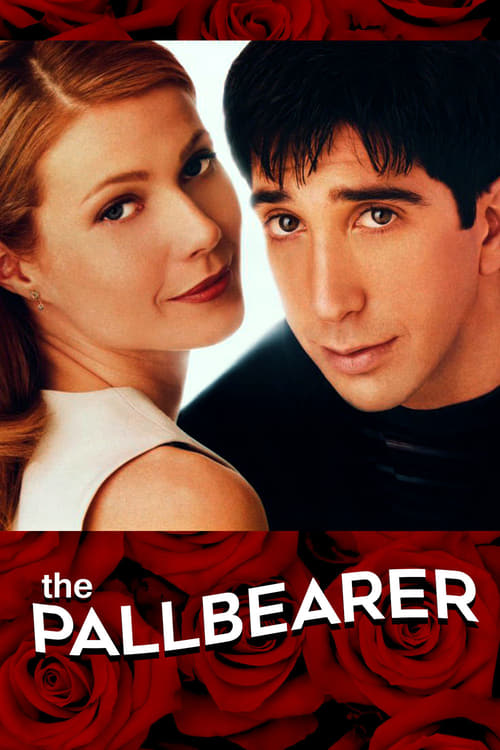
The Pallbearer
Aspiring architect Tom Thompson is told by mysterious Ruth Abernathy that his best friend, "Bill," has taken his own life. Except that Tom has never met Bill and neither have his incredulous friends. So when Tom foolishly agrees to give the eulogy at Bill's funeral, it sets him on a collision course with Ruth -- who is revealed to be Bill's oversexed mother -- and Julie DeMarco, the longtime crush Tom hasn't seen since they were teens.
The film disappointed at the box office against its small-scale budget of $8.0M, earning $5.7M globally (-29% loss). While initial box office returns were modest, the film has gained appreciation for its unconventional structure within the comedy genre.


Plot Structure
Story beats plotted across runtime


Narrative Arc
Emotional journey through the story's key moments
Story Circle
Blueprint 15-beat structure
Arcplot Score Breakdown
Weighted: Precision (70%) + Arc (15%) + Theme (15%)
The Pallbearer (1996) demonstrates meticulously timed narrative design, characteristic of Matt Reeves's storytelling approach. This structural analysis examines how the film's 15-point plot structure maps to proven narrative frameworks across 1 hour and 37 minutes. With an Arcplot score of 6.8, the film balances conventional beats with creative variation.
Structural Analysis
The Status Quo at 1 minutes (1% through the runtime) establishes Tom Thompson sits at home, unemployed and aimless, embodying post-college ennui while his mother expresses concern about his lack of direction in life.. Notably, this early placement immediately immerses viewers in the story world.
The inciting incident occurs at 12 minutes when Ruth Abernathy calls Tom asking him to be a pallbearer and deliver the eulogy for her son Bill—a person Tom cannot remember ever knowing—disrupting his passive existence with an impossible request.. At 12% through the film, this Disruption aligns precisely with traditional story structure. This beat shifts the emotional landscape, launching the protagonist into the central conflict.
The First Threshold at 24 minutes marks the transition into Act II, occurring at 25% of the runtime. This shows the protagonist's commitment to Tom delivers the eulogy at Bill's funeral, fully committing to the lie. At the service, he spots Julie DeMarco—his decision to deceive now irrevocably links him to both Ruth and his romantic obsession., moving from reaction to action.
At 49 minutes, the Midpoint arrives at 50% of the runtime—precisely centered, creating perfect narrative symmetry. Structural examination shows that this crucial beat Tom and Julie share a romantic breakthrough—their relationship seems to be blossoming into something real. False victory: Tom believes he can have it all without his lies catching up to him., fundamentally raising what's at risk. The emotional intensity shifts, dividing the narrative into clear before-and-after phases.
The Collapse moment at 73 minutes (75% through) represents the emotional nadir. Here, Julie discovers Tom's lies about Bill and his entanglement with Ruth. She feels betrayed and ends their relationship. Tom's house of cards collapses—the death of his romantic hopes and his self-respect., reveals the protagonist at their lowest point. This beat's placement in the final quarter sets up the climactic reversal.
The Second Threshold at 78 minutes initiates the final act resolution at 80% of the runtime. Tom decides to come clean to everyone—Ruth, Julie, himself. He realizes authentic connection requires honesty, even when it's painful. He chooses truth over comfortable deception., demonstrating the transformation achieved throughout the journey.
Emotional Journey
The Pallbearer's emotional architecture traces a deliberate progression across 15 carefully calibrated beats.
Narrative Framework
This structural analysis employs structural analysis methodology used to understand storytelling architecture. By mapping The Pallbearer against these established plot points, we can identify how Matt Reeves utilizes or subverts traditional narrative conventions. The plot point approach reveals not only adherence to structural principles but also creative choices that distinguish The Pallbearer within the comedy genre.
Matt Reeves's Structural Approach
Among the 6 Matt Reeves films analyzed on Arcplot, the average structural score is 6.8, demonstrating varied approaches to story architecture. The Pallbearer exemplifies the director's characteristic narrative technique. For comparative analysis, explore the complete Matt Reeves filmography.
Comparative Analysis
Additional comedy films include The Bad Guys, Ella Enchanted and The Evening Star. For more Matt Reeves analyses, see War for the Planet of the Apes, Let Me In and The Batman.
Plot Points by Act
Act I
SetupStatus Quo
Tom Thompson sits at home, unemployed and aimless, embodying post-college ennui while his mother expresses concern about his lack of direction in life.
Theme
Tom's mother tells him he needs to stop drifting and figure out who he really is—the theme of identity and authentic connection stated through maternal advice.
Worldbuilding
We establish Tom's stagnant life: living with his mother, no job prospects, pining for his high school crush Julie DeMarco from afar, surrounded by friends moving forward while he stands still.
Disruption
Ruth Abernathy calls Tom asking him to be a pallbearer and deliver the eulogy for her son Bill—a person Tom cannot remember ever knowing—disrupting his passive existence with an impossible request.
Resistance
Tom debates whether to admit he doesn't remember Bill or play along with Ruth's grief. He researches Bill, prepares a vague eulogy, and wrestles with the ethics of his impending deception.
Act II
ConfrontationFirst Threshold
Tom delivers the eulogy at Bill's funeral, fully committing to the lie. At the service, he spots Julie DeMarco—his decision to deceive now irrevocably links him to both Ruth and his romantic obsession.
Mirror World
Tom reconnects with Julie at the post-funeral gathering, and she remembers him warmly. This subplot represents authentic connection versus the fraudulent relationship forming with Ruth.
Premise
Tom juggles pursuing Julie while maintaining his charade with Ruth. He goes on dates with Julie, helps Ruth with "memorial" activities, and enjoys the attention both women give him—living the romantic comedy premise.
Midpoint
Tom and Julie share a romantic breakthrough—their relationship seems to be blossoming into something real. False victory: Tom believes he can have it all without his lies catching up to him.
Opposition
Ruth's attachment to Tom becomes increasingly inappropriate and romantic. The lies compound as Tom struggles to maintain both relationships. Julie senses something is off, and the deceptions begin to unravel.
Collapse
Julie discovers Tom's lies about Bill and his entanglement with Ruth. She feels betrayed and ends their relationship. Tom's house of cards collapses—the death of his romantic hopes and his self-respect.
Crisis
Tom wallows in the aftermath of his failures. He realizes his inability to be honest has cost him everything meaningful. He must confront who he's become versus who he wants to be.
Act III
ResolutionSecond Threshold
Tom decides to come clean to everyone—Ruth, Julie, himself. He realizes authentic connection requires honesty, even when it's painful. He chooses truth over comfortable deception.
Synthesis
Tom confesses to Ruth about not remembering Bill, allowing her to properly grieve. He apologizes to Julie with genuine vulnerability. He takes steps toward actual direction in his life rather than drifting.
Transformation
Tom and Julie tentatively reconcile, built now on honesty. Tom is no longer the passive, directionless man from the opening—he's someone who can face difficult truths and build authentic relationships.