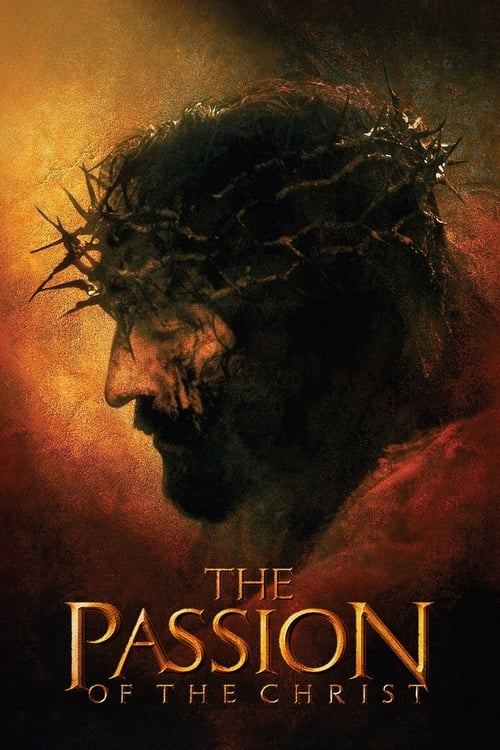
The Passion of the Christ
Depicts the final twelve hours in the life of Jesus of Nazareth, on the day of his crucifixion in Jerusalem.
Despite a mid-range budget of $30.0M, The Passion of the Christ became a commercial juggernaut, earning $610.1M worldwide—a remarkable 1934% return.
Nominated for 3 Oscars. 30 wins & 24 nominations


Plot Structure
Story beats plotted across runtime


Narrative Arc
Emotional journey through the story's key moments
Story Circle
Blueprint 15-beat structure
Structural Analysis
The Status Quo at 1 minutes (1% through the runtime) establishes Jesus prays alone in the Garden of Gethsemane at night, tormented by doubt and fear. He is deeply troubled, knowing what is to come, while his disciples sleep nearby.. Notably, this early placement immediately immerses viewers in the story world.
The inciting incident occurs at 15 minutes when Jesus is arrested and bound by the temple guards after Judas' kiss of betrayal. Peter denies knowing Jesus three times as the authorities take him away.. At 12% through the film, this Disruption aligns precisely with traditional story structure. This beat shifts the emotional landscape, launching the protagonist into the central conflict.
The First Threshold at 34 minutes marks the transition into Act II, occurring at 27% of the runtime. This illustrates the protagonist's commitment to Pilate sends Jesus to Herod, who mocks and humiliates him before returning him to Pilate. Jesus actively accepts his path toward crucifixion, refusing to defend himself or escape his fate., moving from reaction to action.
At 60 minutes, the Midpoint arrives at 47% of the runtime—precisely centered, creating perfect narrative symmetry. Of particular interest, this crucial beat Pilate presents the scourged and crowned-with-thorns Jesus to the crowd with "Ecce Homo" (Behold the Man). The crowd, incited by the priests, demands crucifixion. Pilate washes his hands but condemns Jesus anyway., fundamentally raising what's at risk. The emotional intensity shifts, dividing the narrative into clear before-and-after phases.
The Collapse moment at 93 minutes (73% through) represents the emotional nadir. Here, Jesus is nailed to the cross. The physical agony reaches its peak as the cross is raised and drops into place with a violent jolt. He hangs between two thieves, barely recognizable as human., shows the protagonist at their lowest point. This beat's placement in the final quarter sets up the climactic reversal.
The Second Threshold at 105 minutes initiates the final act resolution at 82% of the runtime. Jesus declares "It is accomplished" and surrenders his spirit, dying with a final breath. The moment of complete sacrifice is achieved. An earthquake strikes, the temple veil tears, and even the Roman centurion recognizes something divine., demonstrating the transformation achieved throughout the journey.
Emotional Journey
The Passion of the Christ's emotional architecture traces a deliberate progression across 15 carefully calibrated beats.
Narrative Framework
This structural analysis employs proven narrative structure principles that track dramatic progression. By mapping The Passion of the Christ against these established plot points, we can identify how Mel Gibson utilizes or subverts traditional narrative conventions. The plot point approach reveals not only adherence to structural principles but also creative choices that distinguish The Passion of the Christ within the drama genre.
Mel Gibson's Structural Approach
Among the 5 Mel Gibson films analyzed on Arcplot, the average structural score is 5.9, showcasing experimental approaches to narrative form. The Passion of the Christ exemplifies the director's characteristic narrative technique. For comparative analysis, explore the complete Mel Gibson filmography.
Comparative Analysis
Additional drama films include After Thomas, South Pacific and Dirty Dancing: Havana Nights. For more Mel Gibson analyses, see Braveheart, The Man Without a Face and Hacksaw Ridge.
Plot Points by Act
Act I
SetupStatus Quo
Jesus prays alone in the Garden of Gethsemane at night, tormented by doubt and fear. He is deeply troubled, knowing what is to come, while his disciples sleep nearby.
Theme
Satan tempts Jesus in the garden, questioning whether one man can bear the burden of all humanity's sins. The central theme of redemptive suffering through sacrifice is established.
Worldbuilding
Flashbacks establish Jesus' relationship with his mother Mary, his ministry, and teachings. The betrayal by Judas unfolds as temple guards arrive to arrest Jesus, while his disciples scatter in fear.
Disruption
Jesus is arrested and bound by the temple guards after Judas' kiss of betrayal. Peter denies knowing Jesus three times as the authorities take him away.
Resistance
Jesus is brought before the Sanhedrin and Caiaphas, then to Pontius Pilate. Both religious and political authorities debate what to do with him. Pilate's wife warns him after a troubling dream. Judas, consumed by guilt, hangs himself.
Act II
ConfrontationFirst Threshold
Pilate sends Jesus to Herod, who mocks and humiliates him before returning him to Pilate. Jesus actively accepts his path toward crucifixion, refusing to defend himself or escape his fate.
Mirror World
Mary follows Jesus through his suffering, their eyes meeting multiple times. She represents unconditional love and bears witness to his sacrifice, embodying the cost of redemption on those who love.
Premise
The brutal scourging of Jesus begins. The Roman soldiers mercilessly whip him beyond normal limits. Mary, Mary Magdalene, and John watch in horror. Flashbacks show Jesus as a carpenter and teaching about loving one's enemies.
Midpoint
Pilate presents the scourged and crowned-with-thorns Jesus to the crowd with "Ecce Homo" (Behold the Man). The crowd, incited by the priests, demands crucifixion. Pilate washes his hands but condemns Jesus anyway.
Opposition
Jesus carries his cross through Jerusalem on the Via Dolorosa, falling repeatedly under its weight. Simon of Cyrene is forced to help. Veronica wipes Jesus' face. Mary stays close, remembering Jesus as a child. Satan watches from the crowd.
Collapse
Jesus is nailed to the cross. The physical agony reaches its peak as the cross is raised and drops into place with a violent jolt. He hangs between two thieves, barely recognizable as human.
Crisis
Jesus suffers on the cross for hours. He forgives those who crucified him, promises paradise to the repentant thief, and entrusts Mary to John. Darkness covers the land. He cries out "I thirst" and "My God, why have you forsaken me?"
Act III
ResolutionSecond Threshold
Jesus declares "It is accomplished" and surrenders his spirit, dying with a final breath. The moment of complete sacrifice is achieved. An earthquake strikes, the temple veil tears, and even the Roman centurion recognizes something divine.
Synthesis
Jesus is taken down from the cross into Mary's arms (Pietà). His body is prepared with spices and wrapped in linen. He is placed in the tomb, and a stone seals the entrance. Mary Magdalene and Mary keep vigil.
Transformation
Jesus rises from the dead. He stands in the tomb, the wounds still visible in his hands and side, but transformed and alive. The resurrection completes the sacrifice, death is conquered, and redemption is achieved.