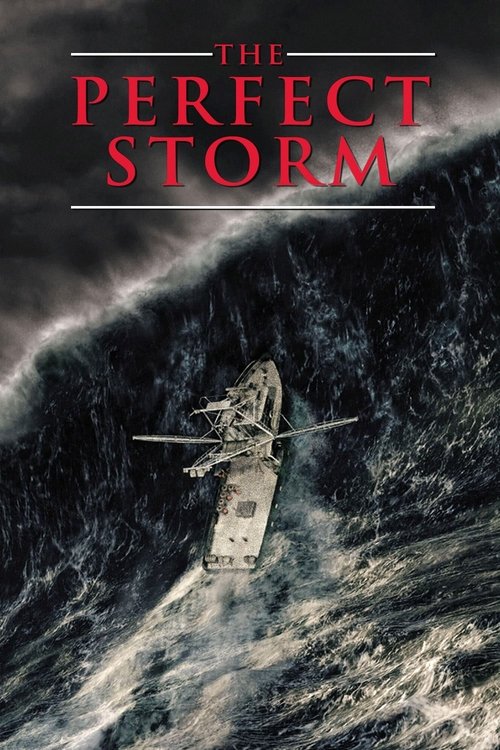
The Perfect Storm
In October 1991, a confluence of weather conditions combined to form a killer storm in the North Atlantic. Caught in the storm was the sword-fishing boat Andrea Gail.
Despite a significant budget of $130.0M, The Perfect Storm became a solid performer, earning $328.7M worldwide—a 153% return.
Nominated for 2 Oscars. 4 wins & 28 nominations


Plot Structure
Story beats plotted across runtime


Narrative Arc
Emotional journey through the story's key moments
Story Circle
Blueprint 15-beat structure
Arcplot Score Breakdown
Weighted: Precision (70%) + Arc (15%) + Theme (15%)
The Perfect Storm (2000) reveals meticulously timed dramatic framework, characteristic of Wolfgang Petersen's storytelling approach. This structural analysis examines how the film's 15-point plot structure maps to proven narrative frameworks across 2 hours and 10 minutes. With an Arcplot score of 6.8, the film balances conventional beats with creative variation.
Structural Analysis
The Status Quo at 1 minutes (1% through the runtime) establishes The Andrea Gail returns to Gloucester harbor after a disappointing fishing trip. Captain Billy Tyne faces the reality of poor catches and financial pressure, while the tight-knit fishing community is established.. Structural examination shows that this early placement immediately immerses viewers in the story world.
The inciting incident occurs at 16 minutes when Billy Tyne makes the fateful decision to head out for one more trip late in the season, pushing past the Flemish Cap to the Grand Banks where no one else is fishing. His desperation to prove himself disrupts everyone's plans.. At 12% through the film, this Disruption aligns precisely with traditional story structure. This beat shifts the emotional landscape, launching the protagonist into the central conflict.
The First Threshold at 33 minutes marks the transition into Act II, occurring at 25% of the runtime. This illustrates the protagonist's commitment to The Andrea Gail sets sail from Gloucester harbor. Bobby makes his choice to go despite Christina's pleas, and the crew commits to Billy's ambitious plan to fish the distant Flemish Cap., moving from reaction to action.
At 65 minutes, the Midpoint arrives at 50% of the runtime—precisely centered, creating perfect narrative symmetry. Notably, this crucial beat The ice machine breaks down, threatening to spoil their massive catch. Billy faces a critical choice: head home immediately through an approaching storm system, or wait and lose everything. He chooses to run for home, directly into what will become the perfect storm., fundamentally raising what's at risk. The emotional intensity shifts, dividing the narrative into clear before-and-after phases.
The Collapse moment at 98 minutes (75% through) represents the emotional nadir. Here, The Andrea Gail is hit by a rogue wave that knocks out their windows and floods the wheelhouse. They lose communication completely. On shore, Christina senses something is terribly wrong. The Coast Guard helicopter attempting rescue crashes into the sea., indicates the protagonist at their lowest point. This beat's placement in the final quarter sets up the climactic reversal.
The Second Threshold at 104 minutes initiates the final act resolution at 80% of the runtime. Billy rallies the crew for one final attempt to ride out the storm. He makes peace with his decisions and the crew bonds together in solidarity, facing their fate as brothers rather than giving up., demonstrating the transformation achieved throughout the journey.
Emotional Journey
The Perfect Storm's emotional architecture traces a deliberate progression across 15 carefully calibrated beats.
Narrative Framework
This structural analysis employs structural analysis methodology used to understand storytelling architecture. By mapping The Perfect Storm against these established plot points, we can identify how Wolfgang Petersen utilizes or subverts traditional narrative conventions. The plot point approach reveals not only adherence to structural principles but also creative choices that distinguish The Perfect Storm within the drama genre.
Wolfgang Petersen's Structural Approach
Among the 10 Wolfgang Petersen films analyzed on Arcplot, the average structural score is 6.8, demonstrating varied approaches to story architecture. The Perfect Storm represents one of the director's most structurally precise works. For comparative analysis, explore the complete Wolfgang Petersen filmography.
Comparative Analysis
Additional drama films include After Thomas, South Pacific and Dirty Dancing: Havana Nights. For more Wolfgang Petersen analyses, see Troy, Outbreak and In the Line of Fire.
Plot Points by Act
Act I
SetupStatus Quo
The Andrea Gail returns to Gloucester harbor after a disappointing fishing trip. Captain Billy Tyne faces the reality of poor catches and financial pressure, while the tight-knit fishing community is established.
Theme
Bob Brown tells Billy that he's been "slipping" and questions his judgment. The theme is stated: pride and reputation drive men to take dangerous risks, and the sea doesn't forgive hubris.
Worldbuilding
We meet the crew of the Andrea Gail: Bobby Shatford struggling with his relationship with Christina, Murph dealing with custody issues, Bugsy, Sully, and Alfred Pierre. The Gloucester fishing community is established with its rituals, relationships, and economic pressures.
Disruption
Billy Tyne makes the fateful decision to head out for one more trip late in the season, pushing past the Flemish Cap to the Grand Banks where no one else is fishing. His desperation to prove himself disrupts everyone's plans.
Resistance
The crew debates joining the late-season voyage. Bobby struggles with leaving Christina, Murph hesitates due to his son. Each man weighs the risk against the potential reward. They prepare the boat and say difficult goodbyes to loved ones.
Act II
ConfrontationFirst Threshold
The Andrea Gail sets sail from Gloucester harbor. Bobby makes his choice to go despite Christina's pleas, and the crew commits to Billy's ambitious plan to fish the distant Flemish Cap.
Mirror World
We see the parallel stories of those on shore - Christina waiting at the Crow's Nest bar, the Coast Guard crews preparing for the season, and the sailboat Mistral with its amateur sailors. These storylines will mirror and contrast the Andrea Gail's fate.
Premise
The Andrea Gail reaches the Flemish Cap and strikes it rich - they're hauling in swordfish by the ton. The crew bonds through hard work and the thrill of the catch. Billy's gamble appears to be paying off spectacularly.
Midpoint
The ice machine breaks down, threatening to spoil their massive catch. Billy faces a critical choice: head home immediately through an approaching storm system, or wait and lose everything. He chooses to run for home, directly into what will become the perfect storm.
Opposition
Three weather systems converge into an unprecedented superstorm. The Andrea Gail battles increasingly monstrous waves. The Coast Guard launches dangerous rescue missions for the Mistral. Communication with shore becomes impossible. Each decision Billy makes seems to lead them deeper into danger.
Collapse
The Andrea Gail is hit by a rogue wave that knocks out their windows and floods the wheelhouse. They lose communication completely. On shore, Christina senses something is terribly wrong. The Coast Guard helicopter attempting rescue crashes into the sea.
Crisis
The crew struggles to survive as the boat takes on water. Bobby thinks of Christina. Murph thinks of his son. Billy realizes the gravity of his choices. On shore, the families wait in agonizing uncertainty as the storm rages.
Act III
ResolutionSecond Threshold
Billy rallies the crew for one final attempt to ride out the storm. He makes peace with his decisions and the crew bonds together in solidarity, facing their fate as brothers rather than giving up.
Synthesis
The Andrea Gail attempts to climb a massive rogue wave. In a heroic final effort, Billy nearly crests the wave before the boat is overwhelmed and capsizes. The crew is lost to the sea. The Coast Guard rescues the Mistral survivors. The families learn the terrible news.
Transformation
The Gloucester community holds a memorial service at sea. Christina releases Bobby's ring into the water. The names of the lost are read aloud. The fishing boats continue to go out - life goes on, but the cost of their way of life has been made painfully clear.