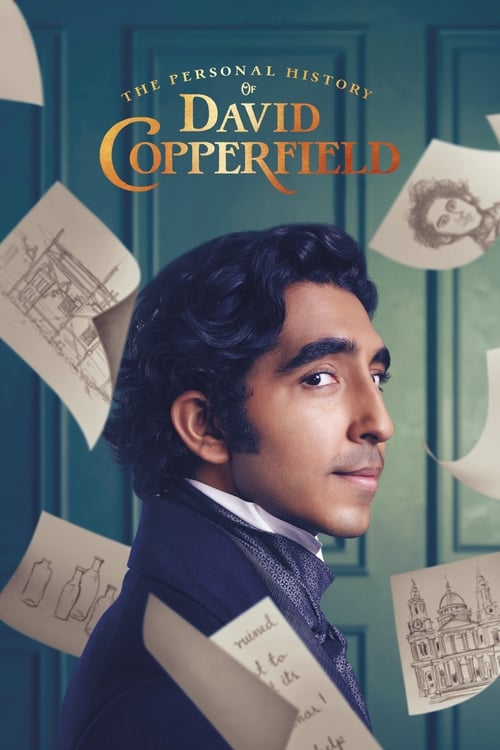
The Personal History of David Copperfield
A fresh and distinctive take on Charles Dickens’ semi-autobiographical masterpiece, The Personal History of David Copperfield, set in the 1840s, chronicles the life of its iconic title character as he navigates a chaotic world to find his elusive place within it. From his unhappy childhood to the discovery of his gift as a storyteller and writer, David’s journey is by turns hilarious and tragic, but always full of life, colour and humanity.
The film underperformed commercially against its moderate budget of $15.6M, earning $11.6M globally (-26% loss). While initial box office returns were modest, the film has gained appreciation for its unique voice within the comedy genre.
Nominated for 1 BAFTA Award19 wins & 33 nominations


Plot Structure
Story beats plotted across runtime


Narrative Arc
Emotional journey through the story's key moments
Story Circle
Blueprint 15-beat structure
Arcplot Score Breakdown
Weighted: Precision (70%) + Arc (15%) + Theme (15%)
The Personal History of David Copperfield (2019) reveals precise dramatic framework, characteristic of Armando Iannucci's storytelling approach. This structural analysis examines how the film's 15-point plot structure maps to proven narrative frameworks across 1 hour and 59 minutes. With an Arcplot score of 7.3, the film balances conventional beats with creative variation.
Structural Analysis
The Status Quo at 1 minutes (1% through the runtime) establishes David narrates directly to the audience, introducing himself as the hero of his own life story. He stands in a theatrical spotlight, establishing the meta-narrative frame and his optimistic, earnest nature despite hardships to come.. Structural examination shows that this early placement immediately immerses viewers in the story world.
The inciting incident occurs at 14 minutes when After his mother's death, young David is sent to work at Murdstone and Grinby's warehouse. His childhood ends abruptly; he is forced into child labor, bottling wine, his education and prospects seemingly destroyed.. At 12% through the film, this Disruption aligns precisely with traditional story structure. This beat shifts the emotional landscape, launching the protagonist into the central conflict.
The First Threshold at 30 minutes marks the transition into Act II, occurring at 25% of the runtime. This indicates the protagonist's commitment to David makes the active choice to run away from London and walk to Dover to find his estranged Aunt Betsey. He is robbed on the road but persists. This is his first act of agency—choosing his own path rather than accepting his fate., moving from reaction to action.
At 60 minutes, the Midpoint arrives at 50% of the runtime—precisely centered, creating perfect narrative symmetry. Notably, this crucial beat David proposes to Dora Spenlow and she accepts. It appears to be a moment of triumph—he has love, prospects, and is becoming a successful writer. False victory: he doesn't recognize that Dora is childish and unsuited to him, nor does he see the gathering threats (Uriah Heep, financial troubles)., fundamentally raising what's at risk. The emotional intensity shifts, dividing the narrative into clear before-and-after phases.
The Collapse moment at 88 minutes (74% through) represents the emotional nadir. Here, Dora dies after a miscarriage. David loses his wife and unborn child. This is the "whiff of death"—literal death that forces David to confront that his romantic fantasy was built on illusion, and he must fundamentally reconsider who he is and what he wants., illustrates the protagonist at their lowest point. This beat's placement in the final quarter sets up the climactic reversal.
The Second Threshold at 95 minutes initiates the final act resolution at 79% of the runtime. David returns to England with new clarity. He realizes that Agnes has always loved him and that he loves her—not as a fantasy but as a true partner. He synthesizes his romantic idealism with mature self-awareness. He commits to taking control of his narrative., demonstrating the transformation achieved throughout the journey.
Emotional Journey
The Personal History of David Copperfield's emotional architecture traces a deliberate progression across 15 carefully calibrated beats.
Narrative Framework
This structural analysis employs a 15-point narrative structure framework that maps key story moments. By mapping The Personal History of David Copperfield against these established plot points, we can identify how Armando Iannucci utilizes or subverts traditional narrative conventions. The plot point approach reveals not only adherence to structural principles but also creative choices that distinguish The Personal History of David Copperfield within the comedy genre.
Armando Iannucci's Structural Approach
Among the 3 Armando Iannucci films analyzed on Arcplot, the average structural score is 7.2, reflecting strong command of classical structure. The Personal History of David Copperfield represents one of the director's most structurally precise works. For comparative analysis, explore the complete Armando Iannucci filmography.
Comparative Analysis
Additional comedy films include The Bad Guys, Ella Enchanted and The Evening Star. For more Armando Iannucci analyses, see The Death of Stalin, In the Loop.
Plot Points by Act
Act I
SetupStatus Quo
David narrates directly to the audience, introducing himself as the hero of his own life story. He stands in a theatrical spotlight, establishing the meta-narrative frame and his optimistic, earnest nature despite hardships to come.
Theme
Aunt Betsey tells young David's mother that she must be "firm" and take control of her life. This speaks to the film's central theme: one must actively shape their own narrative and not be a passive victim of circumstance.
Worldbuilding
David's birth and early childhood with his loving mother, her marriage to cruel Mr. Murdstone, David's time at the brutal boarding school, and his mother's death. Establishes David as sensitive, imaginative, and repeatedly victimized by adults.
Disruption
After his mother's death, young David is sent to work at Murdstone and Grinby's warehouse. His childhood ends abruptly; he is forced into child labor, bottling wine, his education and prospects seemingly destroyed.
Resistance
David works at the warehouse, boards with the theatrical Micawber family who teach him about dignity in poverty. Micawber is arrested for debt. David debates his future and decides he cannot accept this life. He resolves to seek out his Aunt Betsey.
Act II
ConfrontationFirst Threshold
David makes the active choice to run away from London and walk to Dover to find his estranged Aunt Betsey. He is robbed on the road but persists. This is his first act of agency—choosing his own path rather than accepting his fate.
Mirror World
David arrives at Aunt Betsey's home and meets Mr. Dick, her kind lodger. Betsey initially rejects David but then takes him in. This household represents the opposite of Murdstone's cruelty—eccentric but loving. Betsey becomes David's mentor in self-determination.
Premise
David's education at Dr. Strong's school, his friendship with Agnes Wickfield, his infatuation with Dora Spenlow, boarding with the humble but happy Wickfields. The "fun" of David becoming a gentleman, pursuing love, and entering society. He thrives under Betsey's support.
Midpoint
David proposes to Dora Spenlow and she accepts. It appears to be a moment of triumph—he has love, prospects, and is becoming a successful writer. False victory: he doesn't recognize that Dora is childish and unsuited to him, nor does he see the gathering threats (Uriah Heep, financial troubles).
Opposition
David marries Dora but their marriage is strained by her inability to manage household affairs. Uriah Heep tightens his grip on the Wickfields and reveals he has ruined Aunt Betsey financially. Steerforth betrays David by seducing and abandoning Emily. Everything David built begins to crumble.
Collapse
Dora dies after a miscarriage. David loses his wife and unborn child. This is the "whiff of death"—literal death that forces David to confront that his romantic fantasy was built on illusion, and he must fundamentally reconsider who he is and what he wants.
Crisis
David grieves and isolates himself. He travels abroad, processing his losses. He reflects on his passive acceptance of circumstances and his failure to truly "author" his own life. Dark night of the soul as he questions his identity and purpose.
Act III
ResolutionSecond Threshold
David returns to England with new clarity. He realizes that Agnes has always loved him and that he loves her—not as a fantasy but as a true partner. He synthesizes his romantic idealism with mature self-awareness. He commits to taking control of his narrative.
Synthesis
David helps expose and defeat Uriah Heep with Mr. Dick and Tommy Traddles. Micawber is redeemed. David confesses his love to Agnes and they marry. He completes his novel. The community is restored, debts are resolved, and David claims authorship of his life.
Transformation
David stands before the audience again, now with Agnes and their children. He has become the author of his life in every sense—literally as a successful novelist, and metaphorically as someone who actively shapes his destiny. The boy who was victim becomes the man who creates.