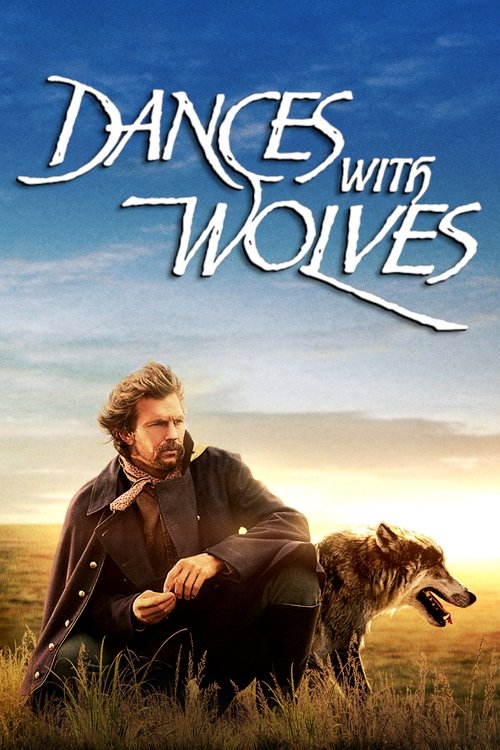
Dances with Wolves
A lieutenant assigned to a remote Civil War outpost starts questioning his purpose after making contact with a neighboring Sioux settlement.
Despite a respectable budget of $22.0M, Dances with Wolves became a runaway success, earning $424.2M worldwide—a remarkable 1828% return.
7 Oscars. 55 wins & 40 nominations


Plot Structure
Story beats plotted across runtime


Narrative Arc
Emotional journey through the story's key moments
Story Circle
Blueprint 15-beat structure
Characters
Cast & narrative archetypes

Lt. John Dunbar
Stands with a Fist
Kicking Bird
Wind in His Hair
Ten Bears
Main Cast & Characters
Lt. John Dunbar
Played by Kevin Costner
A Union Army officer who requests a remote posting and befriends a Sioux tribe, transforming into Dances with Wolves.
Stands with a Fist
Played by Mary McDonnell
A white woman adopted by the Sioux after her family was killed, serving as translator and becoming Dunbar's wife.
Kicking Bird
Played by Graham Greene
The Sioux holy man and medicine man who first approaches Dunbar and becomes his closest friend in the tribe.
Wind in His Hair
Played by Rodney A. Grant
A fierce Sioux warrior initially hostile to Dunbar who becomes his loyal friend and defender.
Ten Bears
Played by Floyd Red Crow Westerman
The wise and elderly chief of the Sioux tribe who ultimately accepts Dunbar into the community.
Structural Analysis
The Status Quo at 2 minutes (1% through the runtime) establishes Lieutenant John Dunbar lies wounded on a Civil War operating table, facing amputation. He is broken, defeated, and ready to die—a man who has lost all sense of purpose and identity.. Notably, this early placement immediately immerses viewers in the story world.
The inciting incident occurs at 22 minutes when Dunbar arrives at the deserted Fort Sedgwick to find it abandoned and in ruins. The supply officer who brought him commits suicide, leaving Dunbar completely alone on the frontier with no support or communication with the army.. At 12% through the film, this Disruption aligns precisely with traditional story structure. This beat shifts the emotional landscape, launching the protagonist into the central conflict.
The First Threshold at 45 minutes marks the transition into Act II, occurring at 25% of the runtime. This indicates the protagonist's commitment to Dunbar makes the active choice to ride to the Sioux camp to meet them on their terms. He removes his military jacket and approaches peacefully, crossing from his world into theirs and initiating a relationship that will transform him., moving from reaction to action.
At 91 minutes, the Midpoint arrives at 50% of the runtime—precisely centered, creating perfect narrative symmetry. Of particular interest, this crucial beat After the triumphant buffalo hunt and his heroic rescue of Smiles A Lot, Dunbar is given the Sioux name "Dances with Wolves." This false victory marks his full acceptance into the tribe, but also deepens his divided loyalties., fundamentally raising what's at risk. The emotional intensity shifts, dividing the narrative into clear before-and-after phases.
The Collapse moment at 136 minutes (75% through) represents the emotional nadir. Here, Dunbar returns to Fort Sedgwick to find it occupied by the army. They kill his horse Cisco, shoot Two Socks, and capture him as a traitor. Beaten and chained, he is condemned to hang—his transformation seemingly leading only to destruction., demonstrates the protagonist at their lowest point. This beat's placement in the final quarter sets up the climactic reversal.
The Second Threshold at 145 minutes initiates the final act resolution at 80% of the runtime. Wind In His Hair leads a rescue party that ambushes the army convoy and frees Dances with Wolves. The tribe's loyalty to him—and his complete embrace of his Sioux identity—gives him the strength and purpose to enter the final act., demonstrating the transformation achieved throughout the journey.
Emotional Journey
Dances with Wolves's emotional architecture traces a deliberate progression across 15 carefully calibrated beats.
Narrative Framework
This structural analysis employs a 15-point narrative structure framework that maps key story moments. By mapping Dances with Wolves against these established plot points, we can identify how Kevin Costner utilizes or subverts traditional narrative conventions. The plot point approach reveals not only adherence to structural principles but also creative choices that distinguish Dances with Wolves within the adventure genre.
Kevin Costner's Structural Approach
Among the 4 Kevin Costner films analyzed on Arcplot, the average structural score is 6.8, demonstrating varied approaches to story architecture. Dances with Wolves exemplifies the director's characteristic narrative technique. For comparative analysis, explore the complete Kevin Costner filmography.
Comparative Analysis
Additional adventure films include The Black Stallion, The Bad Guys and Puss in Boots. For more Kevin Costner analyses, see The Postman, Horizon: An American Saga - Chapter 1 and Open Range.
Plot Points by Act
Act I
SetupStatus Quo
Lieutenant John Dunbar lies wounded on a Civil War operating table, facing amputation. He is broken, defeated, and ready to die—a man who has lost all sense of purpose and identity.
Theme
The general tells Dunbar he can have any post he wants, and Dunbar requests the frontier, stating he wants to "see it before it's gone." This establishes the theme of seeking meaning and connection with a vanishing world.
Worldbuilding
Dunbar's suicidal ride across Confederate lines earns him hero status and a chance to choose his assignment. We see the corruption and madness of the frontier supply chain, the abandoned Fort Sedgwick, and Dunbar's isolation on the vast prairie.
Disruption
Dunbar arrives at the deserted Fort Sedgwick to find it abandoned and in ruins. The supply officer who brought him commits suicide, leaving Dunbar completely alone on the frontier with no support or communication with the army.
Resistance
Dunbar rebuilds the fort alone, establishing routines and recording his observations in his journal. He encounters the wolf he names Two Socks and has his first tense encounters with curious Sioux warriors, particularly Kicking Bird and Wind In His Hair.
Act II
ConfrontationFirst Threshold
Dunbar makes the active choice to ride to the Sioux camp to meet them on their terms. He removes his military jacket and approaches peacefully, crossing from his world into theirs and initiating a relationship that will transform him.
Mirror World
Dunbar meets Stands With A Fist, a white woman adopted by the tribe who speaks English. She becomes his translator and eventual love interest, embodying the possibility of cultural integration and representing his own potential transformation.
Premise
Dunbar immerses himself in Sioux life: learning their language, participating in the buffalo hunt, earning respect through bravery, and falling in love with Stands With A Fist. He experiences the beauty, wisdom, and community he never found in his own culture.
Midpoint
After the triumphant buffalo hunt and his heroic rescue of Smiles A Lot, Dunbar is given the Sioux name "Dances with Wolves." This false victory marks his full acceptance into the tribe, but also deepens his divided loyalties.
Opposition
Dunbar marries Stands With A Fist and fully embraces Sioux life. However, the Pawnee threat looms, and Dunbar knows the army will eventually come. He realizes his journal at Fort Sedgwick could lead soldiers to the tribe, forcing him to retrieve it.
Collapse
Dunbar returns to Fort Sedgwick to find it occupied by the army. They kill his horse Cisco, shoot Two Socks, and capture him as a traitor. Beaten and chained, he is condemned to hang—his transformation seemingly leading only to destruction.
Crisis
Dunbar is transported as a prisoner, enduring abuse from soldiers who see him as a traitor. He refuses to speak English, fully identifying as Dances with Wolves. He faces execution, having lost everything that connected him to both worlds.
Act III
ResolutionSecond Threshold
Wind In His Hair leads a rescue party that ambushes the army convoy and frees Dances with Wolves. The tribe's loyalty to him—and his complete embrace of his Sioux identity—gives him the strength and purpose to enter the final act.
Synthesis
Dances with Wolves reunites with his wife and the tribe. However, knowing the army will hunt him and endanger the Sioux, he and Stands With A Fist make the painful decision to leave the tribe to protect them from military retribution.
Transformation
As Dances with Wolves and Stands With A Fist depart into the snowy mountains, Wind In His Hair shouts from the clifftop that Dances with Wolves is his friend. The man who sought death has found life, purpose, and belonging—transformed completely.