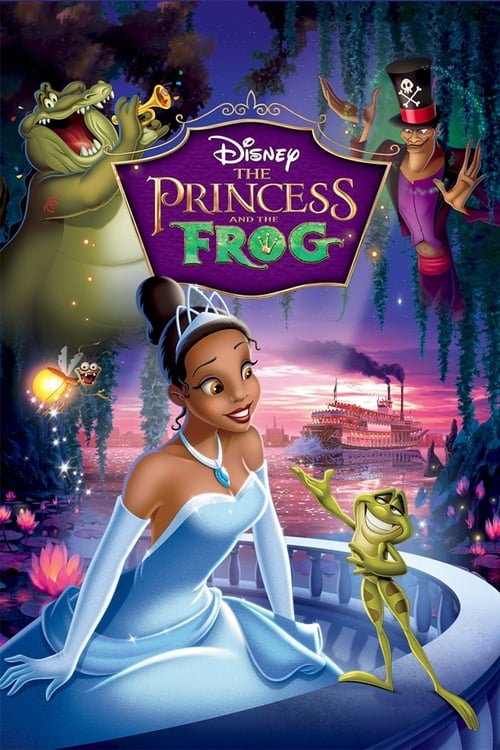
The Princess and the Frog
A waitress, desperate to fulfill her dreams as a restaurant owner, is set on a journey to turn a frog prince back into a human being, but she has to face the same problem after she kisses him.
Despite a considerable budget of $105.0M, The Princess and the Frog became a financial success, earning $271.0M worldwide—a 158% return.
Nominated for 3 Oscars. 10 wins & 42 nominations


Plot Structure
Story beats plotted across runtime


Narrative Arc
Emotional journey through the story's key moments
Story Circle
Blueprint 15-beat structure
Arcplot Score Breakdown
Weighted: Precision (70%) + Arc (15%) + Theme (15%)
The Princess and the Frog (2009) showcases strategically placed story structure, characteristic of Ron Clements's storytelling approach. This structural analysis examines how the film's 15-point plot structure maps to proven narrative frameworks across 1 hour and 38 minutes. With an Arcplot score of 6.9, the film balances conventional beats with creative variation.
Structural Analysis
The Status Quo at 1 minutes (1% through the runtime) establishes Young Tiana listens to her father read "The Frog Prince" while her wealthy friend Charlotte dreams of being a princess. Tiana's world is established: poor but hardworking, practical, and grounded in her father's dream of opening a restaurant.. Significantly, this early placement immediately immerses viewers in the story world.
The inciting incident occurs at 12 minutes when Tiana learns she's been outbid on the sugar mill property she wants for her restaurant. Despite all her hard work and saving, she's told she'll likely be outbid again. Her dream appears crushed, and she's devastated at Charlotte's masquerade ball.. At 12% through the film, this Disruption aligns precisely with traditional story structure. This beat shifts the emotional landscape, launching the protagonist into the central conflict.
The First Threshold at 24 minutes marks the transition into Act II, occurring at 24% of the runtime. This demonstrates the protagonist's commitment to Tiana kisses the frog-prince, expecting to break the spell and get the money he promised for her restaurant. Instead, she transforms into a frog herself. This irreversible choice launches her into the magical "mirror world" where her old tactics won't work., moving from reaction to action.
At 49 minutes, the Midpoint arrives at 50% of the runtime—precisely centered, creating perfect narrative symmetry. Structural examination shows that this crucial beat Mama Odie reveals the truth: "You got to dig a little deeper" and find what you need, not just what you want. She shows them that Naveen must kiss Charlotte before midnight while she's still Princess of Mardi Gras. This gives them a clear solution and timeline, raising the stakes with a ticking clock—a false victory because it seems achievable., fundamentally raising what's at risk. The emotional intensity shifts, dividing the narrative into clear before-and-after phases.
The Collapse moment at 73 minutes (74% through) represents the emotional nadir. Here, Ray is mortally wounded by Dr. Facilier's shadow demons while trying to help Naveen escape. Tiana watches helplessly as the villains capture Naveen. She loses both her love and her ally, hitting her lowest point. The "whiff of death" is literal—Ray dies shortly after., illustrates the protagonist at their lowest point. This beat's placement in the final quarter sets up the climactic reversal.
The Second Threshold at 78 minutes initiates the final act resolution at 79% of the runtime. Tiana destroys Facilier's talisman, rejecting the false choice between her restaurant and love. She synthesizes her father's lesson: he never got what he wanted, but he had what he needed—love and family. Armed with this clarity, she rushes to save Naveen., demonstrating the transformation achieved throughout the journey.
Emotional Journey
The Princess and the Frog's emotional architecture traces a deliberate progression across 15 carefully calibrated beats.
Narrative Framework
This structural analysis employs systematic plot point analysis that identifies crucial turning points. By mapping The Princess and the Frog against these established plot points, we can identify how Ron Clements utilizes or subverts traditional narrative conventions. The plot point approach reveals not only adherence to structural principles but also creative choices that distinguish The Princess and the Frog within the animation genre.
Ron Clements's Structural Approach
Among the 6 Ron Clements films analyzed on Arcplot, the average structural score is 7.2, reflecting strong command of classical structure. The Princess and the Frog takes a more unconventional approach compared to the director's typical style. For comparative analysis, explore the complete Ron Clements filmography.
Comparative Analysis
Additional animation films include The Bad Guys, Puss in Boots and Violet Evergarden: Eternity and the Auto Memory Doll. For more Ron Clements analyses, see Aladdin, Hercules and Moana.
Plot Points by Act
Act I
SetupStatus Quo
Young Tiana listens to her father read "The Frog Prince" while her wealthy friend Charlotte dreams of being a princess. Tiana's world is established: poor but hardworking, practical, and grounded in her father's dream of opening a restaurant.
Theme
Tiana's father James tells her, "Fairy tales can come true, but you gotta make it happen through hard work." This establishes the central thematic tension between wishing on stars and working hard—between dreams and effort.
Worldbuilding
Adult Tiana works multiple waitressing jobs to save money for her restaurant. We see her relationship with her mother Eudora, Charlotte's continued obsession with fairy tales, and the arrival of Prince Naveen. Tiana's relentless work ethic is contrasted with Naveen's carefree attitude and Charlotte's privilege.
Disruption
Tiana learns she's been outbid on the sugar mill property she wants for her restaurant. Despite all her hard work and saving, she's told she'll likely be outbid again. Her dream appears crushed, and she's devastated at Charlotte's masquerade ball.
Resistance
Tiana grapples with her loss and encounters the frog who claims to be Prince Naveen. She initially rejects the magical solution, clinging to her practical worldview. The period includes Dr. Facilier transforming Naveen into a frog, establishing the supernatural stakes and the villain's plot.
Act II
ConfrontationFirst Threshold
Tiana kisses the frog-prince, expecting to break the spell and get the money he promised for her restaurant. Instead, she transforms into a frog herself. This irreversible choice launches her into the magical "mirror world" where her old tactics won't work.
Mirror World
Tiana and Naveen begin their journey together through the bayou. Their relationship is established as the thematic counterpoint: she's all work and no play, he's all play and no work. They meet Louis the alligator who directs them to Mama Odie, establishing the quest structure.
Premise
The "fun and games" of being frogs in the bayou. Tiana and Naveen journey through the swamp, meet Ray the firefly, escape frog hunters, and slowly learn about each other. This section delivers the comedy and adventure promised by the premise while developing their relationship and revealing their character flaws.
Midpoint
Mama Odie reveals the truth: "You got to dig a little deeper" and find what you need, not just what you want. She shows them that Naveen must kiss Charlotte before midnight while she's still Princess of Mardi Gras. This gives them a clear solution and timeline, raising the stakes with a ticking clock—a false victory because it seems achievable.
Opposition
Tiana and Naveen fall in love during their journey back to New Orleans, but both struggle with the choice between love and their original goals. Dr. Facilier's shadows hunt them. Naveen plans to propose but overhears Tiana talking about her restaurant dream, leading him to nobly arrange to marry Charlotte to get Tiana her restaurant money. Their flaws and the antagonist's pressure drive them apart.
Collapse
Ray is mortally wounded by Dr. Facilier's shadow demons while trying to help Naveen escape. Tiana watches helplessly as the villains capture Naveen. She loses both her love and her ally, hitting her lowest point. The "whiff of death" is literal—Ray dies shortly after.
Crisis
Tiana mourns Ray and reflects on her choices. She returns to the sugar mill property and confronts what she truly wants versus what she needs. When the realtor offers her the restaurant in exchange for the talisman, she's tempted but realizes love and the life she could have with Naveen matter more than her father's dream as she understood it.
Act III
ResolutionSecond Threshold
Tiana destroys Facilier's talisman, rejecting the false choice between her restaurant and love. She synthesizes her father's lesson: he never got what he wanted, but he had what he needed—love and family. Armed with this clarity, she rushes to save Naveen.
Synthesis
Dr. Facilier is defeated when his shadow demons drag him to the other side. Naveen and Tiana marry as frogs, and when they kiss, both transform back to human because Tiana became a princess by marrying Naveen. They open their restaurant together, combining hard work with love. Ray becomes a star next to Evangeline.
Transformation
Tiana and Naveen dance together in their restaurant "Tiana's Palace," which features a photo of her father. The final image mirrors the opening but shows Tiana transformed: she achieved her dream not through grinding work alone, but by learning to balance ambition with love, work with joy—truly having what she needs.