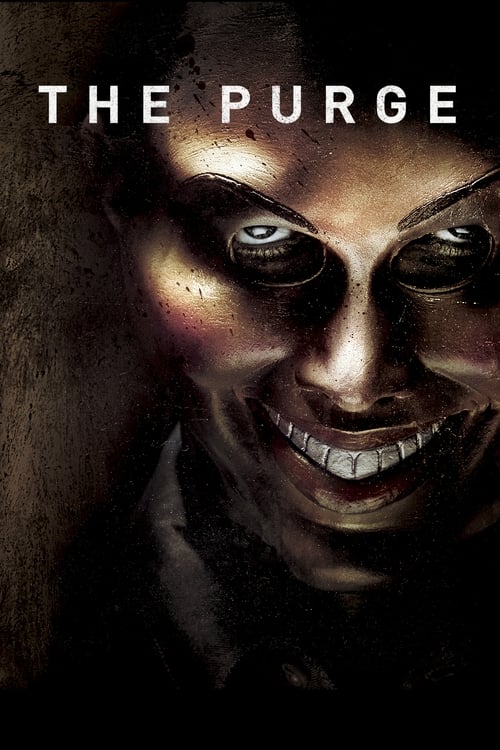
The Purge
Given the country's overcrowded prisons, the U.S. government begins to allow 12-hour periods of time in which all illegal activity is legal. During one of these free-for-alls, a family must protect themselves from a home invasion.
Despite its limited budget of $3.0M, The Purge became a box office phenomenon, earning $91.3M worldwide—a remarkable 2942% return. The film's fresh perspective resonated with audiences, proving that strong storytelling can transcend budget limitations.
2 wins & 6 nominations


Plot Structure
Story beats plotted across runtime


Narrative Arc
Emotional journey through the story's key moments
Story Circle
Blueprint 15-beat structure
Arcplot Score Breakdown
Weighted: Precision (70%) + Arc (15%) + Theme (15%)
The Purge (2013) showcases meticulously timed narrative design, characteristic of James DeMonaco's storytelling approach. This structural analysis examines how the film's 15-point plot structure maps to proven narrative frameworks across 1 hour and 25 minutes. With an Arcplot score of 7.5, the film showcases strong structural fundamentals.
Structural Analysis
The Status Quo at 1 minutes (1% through the runtime) establishes Establishing montage shows the Sandin family in their wealthy gated community preparing for the annual Purge. James Sandin arrives home, proud of his success selling security systems. The family appears safe, comfortable, and privileged.. The analysis reveals that this early placement immediately immerses viewers in the story world.
The inciting incident occurs at 9 minutes when The Purge commences at 7pm. The Sandin house goes into lockdown mode with metal barriers sealing all entry points. The announcement declares all crime, including murder, legal for the next twelve hours. The family is now locked in their fortress.. At 11% through the film, this Disruption aligns precisely with traditional story structure. This beat shifts the emotional landscape, launching the protagonist into the central conflict.
The First Threshold at 21 minutes marks the transition into Act II, occurring at 25% of the runtime. This reveals the protagonist's commitment to Charlie chooses to disarm the security system and let the wounded stranger into their home, directly violating his father's orders and compromising their safety. This active choice to show mercy launches the main conflict - the family is no longer safe., moving from reaction to action.
At 41 minutes, the Midpoint arrives at 48% of the runtime—precisely centered, creating perfect narrative symmetry. Structural examination shows that this crucial beat James shoots Henry in self-defense, critically wounding him. The stakes raise dramatically - now there's blood on their hands, Zoey is traumatized, and the family is fracturing from within. The moral lines have been crossed. False defeat: they seem to have lost their humanity., fundamentally raising what's at risk. The emotional intensity shifts, dividing the narrative into clear before-and-after phases.
The Collapse moment at 59 minutes (69% through) represents the emotional nadir. Here, The purgers successfully breach the house and begin their hunt. James is stabbed and severely wounded (whiff of death - he appears mortally wounded). The family scatters through the house in terror. Their fortress has failed, the father/protector is down, and the killers are inside., reveals the protagonist at their lowest point. This beat's placement in the final quarter sets up the climactic reversal.
The Second Threshold at 67 minutes initiates the final act resolution at 79% of the runtime. The neighbors arrive and kill the purger leader and his gang, appearing to save the Sandins. New information: the neighbors reveal they came to kill the Sandins themselves out of jealousy and resentment. The real enemy was next door all along - class resentment, not random violence., demonstrating the transformation achieved throughout the journey.
Emotional Journey
The Purge's emotional architecture traces a deliberate progression across 15 carefully calibrated beats.
Narrative Framework
This structural analysis employs a 15-point narrative structure framework that maps key story moments. By mapping The Purge against these established plot points, we can identify how James DeMonaco utilizes or subverts traditional narrative conventions. The plot point approach reveals not only adherence to structural principles but also creative choices that distinguish The Purge within the science fiction genre.
James DeMonaco's Structural Approach
Among the 2 James DeMonaco films analyzed on Arcplot, the average structural score is 7.1, reflecting strong command of classical structure. The Purge represents one of the director's most structurally precise works. For comparative analysis, explore the complete James DeMonaco filmography.
Comparative Analysis
Additional science fiction films include The Postman, Mad Max 2 and AVP: Alien vs. Predator. For more James DeMonaco analyses, see The Purge: Anarchy.
Plot Points by Act
Act I
SetupStatus Quo
Establishing montage shows the Sandin family in their wealthy gated community preparing for the annual Purge. James Sandin arrives home, proud of his success selling security systems. The family appears safe, comfortable, and privileged.
Theme
Neighbor tells Mary Sandin that the Purge is about "release" and mentions how their upgraded security system (implying the Sandins' wealth) must make them feel safe. The theme of class division and moral cost of safety is introduced.
Worldbuilding
Family dynamics established: James is the successful patriarch, Mary is conflicted about their wealth, Zoey is dating an older boy (Henry) against her father's wishes, and Charlie is the curious youngest. The rules of Purge night are explained - all crime legal for 12 hours. Neighbors harbor resentment toward the Sandins' new wealth.
Disruption
The Purge commences at 7pm. The Sandin house goes into lockdown mode with metal barriers sealing all entry points. The announcement declares all crime, including murder, legal for the next twelve hours. The family is now locked in their fortress.
Resistance
Family settles into Purge night routine. Henry (Zoey's boyfriend) reveals himself - he snuck into the house to confront James about dating Zoey. Charlie monitors security cameras and sees a bloody stranger begging for help outside. The family debates their moral obligation versus their safety.
Act II
ConfrontationFirst Threshold
Charlie chooses to disarm the security system and let the wounded stranger into their home, directly violating his father's orders and compromising their safety. This active choice to show mercy launches the main conflict - the family is no longer safe.
Mirror World
The Stranger (a homeless man) represents the film's thematic mirror - he is the person the Purge is designed to eliminate. His presence forces the family to confront the human cost of their complicity in the system that has made them wealthy.
Premise
The family searches for the Stranger hiding in their house while a gang of masked killers arrives outside, led by a polite young man. They give the Sandins a deadline: surrender the homeless man or they'll break in and kill everyone. Henry confronts James with a gun. The premise plays out - will they sacrifice one to save themselves?
Midpoint
James shoots Henry in self-defense, critically wounding him. The stakes raise dramatically - now there's blood on their hands, Zoey is traumatized, and the family is fracturing from within. The moral lines have been crossed. False defeat: they seem to have lost their humanity.
Opposition
Family finds and captures the Stranger. James decides to hand him over to save his family. The Stranger accepts his fate. But at the last moment, the family cannot go through with it - they release him. Meanwhile, the gang begins breaking through the security system. Neighbors' true feelings surface. Opposition intensifies from all sides.
Collapse
The purgers successfully breach the house and begin their hunt. James is stabbed and severely wounded (whiff of death - he appears mortally wounded). The family scatters through the house in terror. Their fortress has failed, the father/protector is down, and the killers are inside.
Crisis
The family fights for survival room by room. The Stranger, whom they saved, returns to help them and kills several attackers. The family confronts the darkness they're capable of - Mary, Zoey, and Charlie all kill to survive. They process that their privilege cannot protect them from violence.
Act III
ResolutionSecond Threshold
The neighbors arrive and kill the purger leader and his gang, appearing to save the Sandins. New information: the neighbors reveal they came to kill the Sandins themselves out of jealousy and resentment. The real enemy was next door all along - class resentment, not random violence.
Synthesis
The Stranger holds the neighbors at gunpoint, saving the Sandins again. Mary forces the neighbors to wait until the Purge ends rather than killing them, choosing mercy over revenge. The family sits in tense silence with their would-be killers until 7am, synthesis of their learned mercy with their survival instinct.
Transformation
The Purge siren signals the end. The neighbors leave. The Sandins sit bloodied and traumatized on their couch watching news coverage celebrating a successful Purge. They are alive but fundamentally changed - they've seen the true cost of their complicity in the system and the hatred of their neighbors. Their comfortable world is shattered.