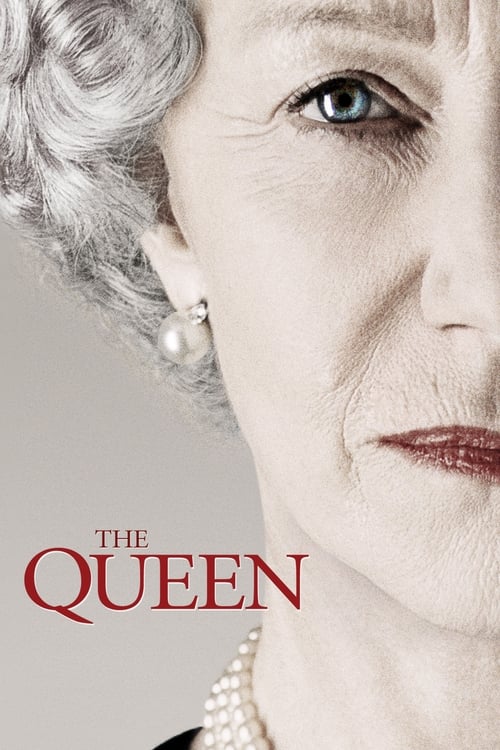
The Queen
The Queen is an intimate behind the scenes glimpse at the interaction between HM Elizabeth II and Prime Minister Tony Blair during their struggle, following the death of Diana, to reach a compromise between what was a private tragedy for the Royal family and the public's demand for an overt display of mourning.
Despite a respectable budget of $15.0M, The Queen became a massive hit, earning $123.4M worldwide—a remarkable 723% return.
1 Oscar. 97 wins & 97 nominations


Plot Structure
Story beats plotted across runtime


Narrative Arc
Emotional journey through the story's key moments
Story Circle
Blueprint 15-beat structure
Arcplot Score Breakdown
Weighted: Precision (70%) + Arc (15%) + Theme (15%)
The Queen (2006) showcases strategically placed plot construction, characteristic of Stephen Frears's storytelling approach. This structural analysis examines how the film's 15-point plot structure maps to proven narrative frameworks across 1 hour and 43 minutes. With an Arcplot score of 7.5, the film showcases strong structural fundamentals.
Structural Analysis
The Status Quo at 1 minutes (1% through the runtime) establishes The Queen poses for a portrait painter at Buckingham Palace, embodying regal composure and tradition. Her world is one of protocol, duty, and emotional restraint—the established order she has maintained for decades.. Of particular interest, this early placement immediately immerses viewers in the story world.
The inciting incident occurs at 13 minutes when News breaks that Princess Diana has been in a car crash in Paris. The Queen receives the call at Balmoral in the middle of the night—the external event that will shatter the status quo and force impossible choices.. At 12% through the film, this Disruption aligns precisely with traditional story structure. This beat shifts the emotional landscape, launching the protagonist into the central conflict.
The First Threshold at 27 minutes marks the transition into Act II, occurring at 26% of the runtime. This indicates the protagonist's commitment to The Queen commits to staying at Balmoral and treating Diana's death as a private family matter. This active choice to maintain tradition over public relations sets the central conflict in motion—she will not bend to media pressure., moving from reaction to action.
At 52 minutes, the Midpoint arrives at 51% of the runtime—precisely centered, creating perfect narrative symmetry. Notably, this crucial beat The Queen, alone on the Scottish moors, encounters a magnificent stag—a symbol of nobility, tradition, and herself. She protects it from hunters, but this false victory is undercut by news that public hostility toward the monarchy has reached crisis levels. The stakes have fundamentally shifted., fundamentally raising what's at risk. The emotional intensity shifts, dividing the narrative into clear before-and-after phases.
The Collapse moment at 78 minutes (75% through) represents the emotional nadir. Here, The Queen learns the stag has been killed by a hunter on a neighboring estate—shot, decapitated for a trophy. She visits its carcass and weeps. The death of the noble creature mirrors the death of everything she represents. Her world, her values, her way of being—all seem fatally wounded., indicates the protagonist at their lowest point. This beat's placement in the final quarter sets up the climactic reversal.
The Second Threshold at 83 minutes initiates the final act resolution at 80% of the runtime. The Queen decides to return to London. She will fly the flag at half-mast, make a televised address, and greet the mourners at the palace gates. It's not surrender—it's synthesis. She can honor tradition while acknowledging that duty to her people requires adaptation., demonstrating the transformation achieved throughout the journey.
Emotional Journey
The Queen's emotional architecture traces a deliberate progression across 15 carefully calibrated beats.
Narrative Framework
This structural analysis employs systematic plot point analysis that identifies crucial turning points. By mapping The Queen against these established plot points, we can identify how Stephen Frears utilizes or subverts traditional narrative conventions. The plot point approach reveals not only adherence to structural principles but also creative choices that distinguish The Queen within the drama genre.
Stephen Frears's Structural Approach
Among the 9 Stephen Frears films analyzed on Arcplot, the average structural score is 7.1, reflecting strong command of classical structure. The Queen represents one of the director's most structurally precise works. For comparative analysis, explore the complete Stephen Frears filmography.
Comparative Analysis
Additional drama films include After Thomas, South Pacific and Dirty Dancing: Havana Nights. For more Stephen Frears analyses, see Mary Reilly, Philomena and Florence Foster Jenkins.
Plot Points by Act
Act I
SetupStatus Quo
The Queen poses for a portrait painter at Buckingham Palace, embodying regal composure and tradition. Her world is one of protocol, duty, and emotional restraint—the established order she has maintained for decades.
Theme
Tony Blair tells his wife Cherie that despite her republicanism, she must curtsy to the Queen. The theme emerges: tradition versus modernity, and whether institutions can adapt to changing times while maintaining dignity.
Worldbuilding
We meet the Royal Family at Balmoral and witness Tony Blair's landslide election victory. The contrast between old establishment (monarchy) and new (New Labour) is established. Blair visits the Queen for their first audience, highlighting generational and ideological tensions.
Disruption
News breaks that Princess Diana has been in a car crash in Paris. The Queen receives the call at Balmoral in the middle of the night—the external event that will shatter the status quo and force impossible choices.
Resistance
Diana's death is confirmed. The Queen decides this is a private matter—Diana was no longer a Royal. The family shields William and Harry at Balmoral. Meanwhile, Blair recognizes the public mood and begins crafting his "People's Princess" response. The debate: public mourning vs. private grief.
Act II
ConfrontationFirst Threshold
The Queen commits to staying at Balmoral and treating Diana's death as a private family matter. This active choice to maintain tradition over public relations sets the central conflict in motion—she will not bend to media pressure.
Mirror World
Tony Blair emerges as the Queen's unlikely ally and mirror. His "People's Princess" speech captures public sentiment perfectly. He represents modern emotional intelligence—what the Queen lacks but must learn. Their relationship will carry the film's thematic weight.
Premise
The Queen maintains her position as public grief explodes. Flowers pile up at Kensington Palace. The media turns hostile. Blair repeatedly calls, urging action. The premise delivers its promise: watching an unstoppable force (public emotion) meet an immovable object (royal protocol).
Midpoint
The Queen, alone on the Scottish moors, encounters a magnificent stag—a symbol of nobility, tradition, and herself. She protects it from hunters, but this false victory is undercut by news that public hostility toward the monarchy has reached crisis levels. The stakes have fundamentally shifted.
Opposition
The crisis intensifies. Newspaper headlines turn vicious: "Where is our Queen?" The flag controversy erupts—should the Union Jack fly at half-mast over Buckingham Palace? Blair's advisors urge him to distance himself. Prince Charles breaks ranks, demanding a royal plane for Diana's body. The Queen's isolation deepens.
Collapse
The Queen learns the stag has been killed by a hunter on a neighboring estate—shot, decapitated for a trophy. She visits its carcass and weeps. The death of the noble creature mirrors the death of everything she represents. Her world, her values, her way of being—all seem fatally wounded.
Crisis
In her darkest moment, the Queen processes her grief—for Diana, for the stag, for a changing world she no longer understands. Blair calls again, now pleading. The monarchy's survival hangs in the balance. She must decide: cling to principle or adapt to survive.
Act III
ResolutionSecond Threshold
The Queen decides to return to London. She will fly the flag at half-mast, make a televised address, and greet the mourners at the palace gates. It's not surrender—it's synthesis. She can honor tradition while acknowledging that duty to her people requires adaptation.
Synthesis
The Queen returns to London and walks among the flowers and crowds at Buckingham Palace, genuinely moved. She delivers a masterful televised tribute to Diana. The funeral proceeds with dignity. Blair watches, having helped save the monarchy while developing genuine respect for the Queen's quiet strength.
Transformation
In their final audience, Blair and the Queen share a moment of mutual understanding. She warns him that one day the public will turn on him too. The Queen remains who she is—dignified, dutiful—but has learned that survival requires bending without breaking. The institution endures, transformed.