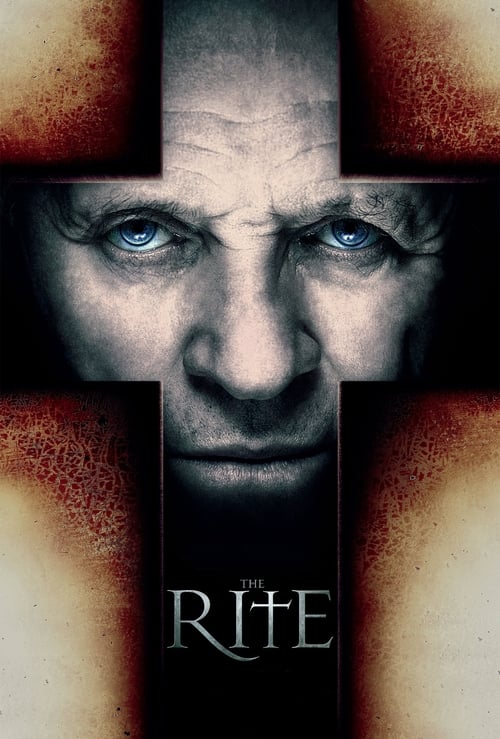
The Rite
Seminary student Michael Kovak reluctantly attends exorcism school at the Vatican. While he’s in Rome, Michael meets an unorthodox priest who introduces him to the darker side of his faith, uncovering the devil’s reach even to one of the holiest places on Earth.
Despite a moderate budget of $37.0M, The Rite became a financial success, earning $96.0M worldwide—a 160% return.
1 win & 5 nominations


Plot Structure
Story beats plotted across runtime


Narrative Arc
Emotional journey through the story's key moments
Story Circle
Blueprint 15-beat structure
Arcplot Score Breakdown
Weighted: Precision (70%) + Arc (15%) + Theme (15%)
The Rite (2011) exhibits precise dramatic framework, characteristic of Mikael Håfström's storytelling approach. This structural analysis examines how the film's 15-point plot structure maps to proven narrative frameworks across 1 hour and 54 minutes. With an Arcplot score of 6.8, the film balances conventional beats with creative variation.
Structural Analysis
The Status Quo at 1 minutes (1% through the runtime) establishes Michael Kovak works mechanically in his father's mortuary, preparing bodies with detached professionalism. He is spiritually empty, going through the motions of a life he doesn't believe in.. Notably, this early placement immediately immerses viewers in the story world.
The inciting incident occurs at 15 minutes when Michael writes a letter of resignation from seminary, but Father Matthew confronts him with a choice: repay $100,000 in student loans or attend an exorcism course in Rome to find his faith. Michael is trapped.. At 13% through the film, this Disruption is delayed, allowing extended setup of the story world. This beat shifts the emotional landscape, launching the protagonist into the central conflict.
The First Threshold at 29 minutes marks the transition into Act II, occurring at 25% of the runtime. This illustrates the protagonist's commitment to Michael chooses to visit Father Lucas Trevant, an experienced exorcist operating outside official channels. This decision commits him to direct confrontation with the phenomenon he doubts, moving from theory to practice., moving from reaction to action.
At 57 minutes, the Midpoint arrives at 50% of the runtime—precisely centered, creating perfect narrative symmetry. Significantly, this crucial beat Rosaria dies during childbirth along with her baby, and Michael learns of supernatural manifestations he cannot explain. The stakes raise dramatically as the demon claims to be targeting Michael personally. False defeat: his skepticism seems vindicated but he's now in danger., fundamentally raising what's at risk. The emotional intensity shifts, dividing the narrative into clear before-and-after phases.
The Collapse moment at 85 minutes (75% through) represents the emotional nadir. Here, Father Lucas, fully possessed, mocks Michael's faithlessness and reveals intimate details of Michael's guilt over his mother's death. Michael flees in terror and despair, his intellectual defenses shattered. The mentor is lost; Michael is alone and broken., indicates the protagonist at their lowest point. This beat's placement in the final quarter sets up the climactic reversal.
The Second Threshold at 91 minutes initiates the final act resolution at 80% of the runtime. Michael chooses faith over doubt. He returns to perform an exorcism on Father Lucas, accepting his role as a priest for the first time. The skeptic becomes the believer, armed with newfound conviction rather than intellectual certainty., demonstrating the transformation achieved throughout the journey.
Emotional Journey
The Rite's emotional architecture traces a deliberate progression across 15 carefully calibrated beats.
Narrative Framework
This structural analysis employs structural analysis methodology used to understand storytelling architecture. By mapping The Rite against these established plot points, we can identify how Mikael Håfström utilizes or subverts traditional narrative conventions. The plot point approach reveals not only adherence to structural principles but also creative choices that distinguish The Rite within the drama genre.
Mikael Håfström's Structural Approach
Among the 8 Mikael Håfström films analyzed on Arcplot, the average structural score is 7.3, reflecting strong command of classical structure. The Rite takes a more unconventional approach compared to the director's typical style. For comparative analysis, explore the complete Mikael Håfström filmography.
Comparative Analysis
Additional drama films include After Thomas, South Pacific and Dirty Dancing: Havana Nights. For more Mikael Håfström analyses, see Stockholm Bloodbath, Derailed and Evil.
Plot Points by Act
Act I
SetupStatus Quo
Michael Kovak works mechanically in his father's mortuary, preparing bodies with detached professionalism. He is spiritually empty, going through the motions of a life he doesn't believe in.
Theme
Father Matthew tells Michael, "It's easy to stop believing when you never really believed in the first place." The theme of faith versus doubt, belief versus skepticism is established.
Worldbuilding
Michael enters seminary to escape his father's mortuary business. We see his lack of genuine faith, his intellectual approach to religion, and his plan to quit before ordination. His skepticism and emotional distance from spirituality are established.
Disruption
Michael writes a letter of resignation from seminary, but Father Matthew confronts him with a choice: repay $100,000 in student loans or attend an exorcism course in Rome to find his faith. Michael is trapped.
Resistance
Michael reluctantly travels to Rome and attends exorcism classes at the Vatican. He debates the reality of possession with instructors and fellow students, maintaining his skeptical stance. Father Xavier recognizes his doubt and sends him to meet an unconventional practitioner.
Act II
ConfrontationFirst Threshold
Michael chooses to visit Father Lucas Trevant, an experienced exorcist operating outside official channels. This decision commits him to direct confrontation with the phenomenon he doubts, moving from theory to practice.
Mirror World
Michael meets Father Lucas, an unconventional Welsh priest who challenges his skepticism with practical experience and wit. Lucas represents the embodiment of faith tested by darkness, and journalist Angeline provides a parallel skeptical perspective.
Premise
Michael observes Father Lucas performing exorcisms, rationalizing each manifestation with psychological and medical explanations. He witnesses the case of pregnant teenager Rosaria, experiencing increasingly disturbing phenomena while maintaining his skeptical interpretation.
Midpoint
Rosaria dies during childbirth along with her baby, and Michael learns of supernatural manifestations he cannot explain. The stakes raise dramatically as the demon claims to be targeting Michael personally. False defeat: his skepticism seems vindicated but he's now in danger.
Opposition
Father Lucas himself becomes possessed by the demon that inhabited Rosaria. Michael watches his mentor deteriorate, experiencing escalating supernatural attacks. His rational explanations fail as Lucas reveals knowledge he couldn't possess. Michael's doubt is weaponized against him.
Collapse
Father Lucas, fully possessed, mocks Michael's faithlessness and reveals intimate details of Michael's guilt over his mother's death. Michael flees in terror and despair, his intellectual defenses shattered. The mentor is lost; Michael is alone and broken.
Crisis
Michael contacts his estranged father and confronts his deepest guilt and wounds. In his dark night, he grapples with his mother's death, his rage at God, and his inability to believe. He must decide whether to abandon Lucas or face the darkness.
Act III
ResolutionSecond Threshold
Michael chooses faith over doubt. He returns to perform an exorcism on Father Lucas, accepting his role as a priest for the first time. The skeptic becomes the believer, armed with newfound conviction rather than intellectual certainty.
Synthesis
Michael performs the exorcism ritual on Father Lucas with growing authority. He confronts the demon directly, uses his knowledge of Lucas to reach him, and combines intellectual preparation with genuine faith. Through intense spiritual battle, he expels the demon and saves his mentor.
Transformation
Michael writes to his father as a changed man, wearing his priest's collar with conviction. He has found genuine faith forged through darkness. Where he once prepared bodies with detachment, he now prepares souls with belief.