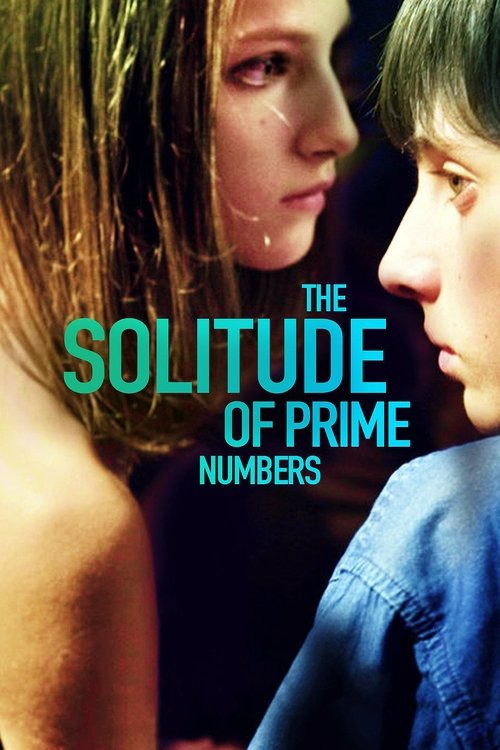
The Solitude of Prime Numbers
Prime numbers are divisible only by one and themselves. These numbers are solitary and incomprehensible to others. Alice and Mattia are both "prime", both haunted by the tragedies that have marked them in childhood: a skiing accident for Alice which has caused a defect in her leg, and the loss of his twin sister for Matthew.
The film earned $5.5M at the global box office.
Plot Structure
Story beats plotted across runtime


Narrative Arc
Emotional journey through the story's key moments
Story Circle
Blueprint 15-beat structure
Arcplot Score Breakdown
Weighted: Precision (70%) + Arc (15%) + Theme (15%)
The Solitude of Prime Numbers (2010) exhibits deliberately positioned plot construction, characteristic of Saverio Costanzo's storytelling approach. This structural analysis examines how the film's 15-point plot structure maps to proven narrative frameworks across 1 hour and 58 minutes. With an Arcplot score of 7.1, the film balances conventional beats with creative variation.
Characters
Cast & narrative archetypes

Alice Della Rocca
Mattia Balossino
Alice (Young)
Mattia (Young)
Fabio
Viola Bai
Michela Balossino
Alice's Father
Alice's Mother
Main Cast & Characters
Alice Della Rocca
Played by Alba Rohrwacher
A young woman scarred by a childhood skiing accident that left her with a permanent limp, struggling with anorexia and emotional isolation throughout her life.
Mattia Balossino
Played by Luca Marinelli
A brilliant but deeply troubled mathematician haunted by guilt over his twin sister's disappearance, who expresses his pain through self-harm.
Alice (Young)
Played by Arianna Nastro
Alice as a child, forced into skiing by her demanding father, who suffers a traumatic accident that shapes her entire life.
Mattia (Young)
Played by Vittorio Lomartire
Young Mattia, a gifted but socially awkward boy who makes a fateful decision to leave his mentally disabled twin sister alone, leading to her disappearance.
Fabio
Played by Filippo Timi
A kind and patient doctor who falls in love with Alice and marries her, though their relationship ultimately fails due to her emotional unavailability.
Viola Bai
Played by Martina Albano
A popular and cruel schoolmate who initially befriends Alice before betraying and humiliating her, representing the superficiality of social acceptance.
Michela Balossino
Played by Giorgia Bentivoglio
Mattia's mentally disabled twin sister who disappears as a child after he leaves her alone in a park, becoming the source of his lifelong guilt.
Alice's Father
Played by Roberto Sbaratto
A demanding and emotionally distant father who pushes young Alice into competitive skiing despite her reluctance, inadvertently causing her accident.
Alice's Mother
Played by Isabella Rossellini
Alice's mother who struggles to connect with her damaged daughter and eventually separates from her husband.
Structural Analysis
The Status Quo at 1 minutes (1% through the runtime) establishes Young Alice is pressured by her father to ski despite her fear, establishing her isolation and the trauma that will define her life.. Structural examination shows that this early placement immediately immerses viewers in the story world.
The inciting incident occurs at 14 minutes when Mattia's sister Michela disappears while he's at a party, creating the defining trauma and guilt that will shape his entire life and emotional unavailability.. At 12% through the film, this Disruption aligns precisely with traditional story structure. This beat shifts the emotional landscape, launching the protagonist into the central conflict.
The First Threshold at 30 minutes marks the transition into Act II, occurring at 26% of the runtime. This illustrates the protagonist's commitment to Alice and Mattia meet as teenagers and recognize something similar in each other. They choose to form a connection despite their deep psychological barriers, entering a tentative relationship., moving from reaction to action.
At 60 minutes, the Midpoint arrives at 51% of the runtime—precisely centered, creating perfect narrative symmetry. Of particular interest, this crucial beat Mattia has an opportunity for physical intimacy with Alice but cannot follow through, revealing the depth of his emotional damage. This false defeat shows their connection may not be enough to overcome their trauma., fundamentally raising what's at risk. The emotional intensity shifts, dividing the narrative into clear before-and-after phases.
The Collapse moment at 87 minutes (73% through) represents the emotional nadir. Here, Mattia departs for his research position abroad, leaving Alice behind. Their separation represents the death of the possibility that their connection might heal them, cementing their solitude., illustrates the protagonist at their lowest point. This beat's placement in the final quarter sets up the climactic reversal.
The Second Threshold at 94 minutes initiates the final act resolution at 80% of the runtime. Alice learns that Mattia may return and reaches out, attempting one final connection. This represents acceptance that she must try, even knowing they may be forever isolated like prime numbers—close but never truly touching., demonstrating the transformation achieved throughout the journey.
Emotional Journey
The Solitude of Prime Numbers's emotional architecture traces a deliberate progression across 15 carefully calibrated beats.
Narrative Framework
This structural analysis employs systematic plot point analysis that identifies crucial turning points. By mapping The Solitude of Prime Numbers against these established plot points, we can identify how Saverio Costanzo utilizes or subverts traditional narrative conventions. The plot point approach reveals not only adherence to structural principles but also creative choices that distinguish The Solitude of Prime Numbers within the drama genre.
Saverio Costanzo's Structural Approach
Among the 2 Saverio Costanzo films analyzed on Arcplot, the average structural score is 7.3, reflecting strong command of classical structure. The Solitude of Prime Numbers takes a more unconventional approach compared to the director's typical style. For comparative analysis, explore the complete Saverio Costanzo filmography.
Comparative Analysis
Additional drama films include After Thomas, South Pacific and Dirty Dancing: Havana Nights. For more Saverio Costanzo analyses, see Private.
Plot Points by Act
Act I
SetupStatus Quo
Young Alice is pressured by her father to ski despite her fear, establishing her isolation and the trauma that will define her life.
Theme
Alice's mother tells her father that she doesn't want to ski, suggesting the theme of forced conformity versus authentic self-expression and the damage caused by ignoring one's true nature.
Worldbuilding
Parallel childhoods of Alice and Mattia are established: Alice suffers a ski accident that permanently damages her leg; Mattia, a math prodigy, leaves his mentally disabled twin sister alone, leading to her disappearance. Both children become isolated by guilt and trauma.
Disruption
Mattia's sister Michela disappears while he's at a party, creating the defining trauma and guilt that will shape his entire life and emotional unavailability.
Resistance
Both Alice and Mattia navigate adolescence as damaged, isolated individuals. They develop coping mechanisms: Alice with eating disorders and self-harm, Mattia with emotional detachment and self-mutilation. Their paths move toward intersection.
Act II
ConfrontationFirst Threshold
Alice and Mattia meet as teenagers and recognize something similar in each other. They choose to form a connection despite their deep psychological barriers, entering a tentative relationship.
Mirror World
Alice and Mattia's fragile bond develops as they study together, representing the possibility of connection between two people who see themselves as irreparably broken—like prime numbers, alone and indivisible.
Premise
Alice and Mattia's relationship deepens through young adulthood. They orbit each other, connected yet unable to truly unite due to their emotional damage. Others enter their lives but cannot penetrate their isolation.
Midpoint
Mattia has an opportunity for physical intimacy with Alice but cannot follow through, revealing the depth of his emotional damage. This false defeat shows their connection may not be enough to overcome their trauma.
Opposition
Alice and Mattia's inability to connect deepens. Mattia accepts a position abroad, physically separating them. Alice attempts relationships with others but remains emotionally tied to Mattia. Their trauma continues to isolate them from life and each other.
Collapse
Mattia departs for his research position abroad, leaving Alice behind. Their separation represents the death of the possibility that their connection might heal them, cementing their solitude.
Crisis
Years pass with Alice and Mattia living separate, emotionally barren lives. Alice goes through the motions of normalcy while remaining internally isolated. Both are haunted by what they cannot have or become.
Act III
ResolutionSecond Threshold
Alice learns that Mattia may return and reaches out, attempting one final connection. This represents acceptance that she must try, even knowing they may be forever isolated like prime numbers—close but never truly touching.
Synthesis
Alice and Mattia have a final reunion. They confront the reality that their damage is permanent, that some things cannot be healed. They must accept their nature as solitary beings, unable to merge despite their connection.
Transformation
Alice and Mattia part again, accepting their solitude. The final image shows them as they began—isolated, alone, like prime numbers that can be close but never truly unite. Their transformation is acceptance of permanent separateness.