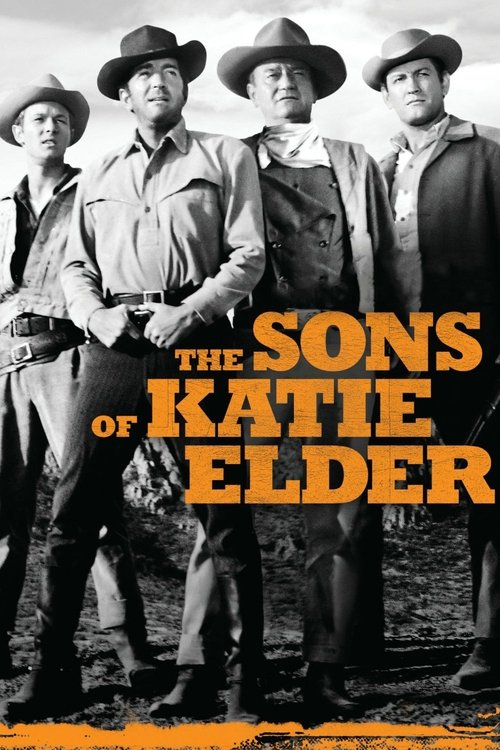
The Sons of Katie Elder
The four sons of Katie Elder reunite in their hometown of Clearwater, Texas for her funeral and discover that the family ranch is now in the hands of Morgan Hastings, a corrupt businessman who wants to exploit the area around the town.
Despite its limited budget of $6.5M, The Sons of Katie Elder became a solid performer, earning $23.0M worldwide—a 254% return. The film's unique voice attracted moviegoers, proving that strong storytelling can transcend budget limitations.


Plot Structure
Story beats plotted across runtime


Narrative Arc
Emotional journey through the story's key moments
Story Circle
Blueprint 15-beat structure
Arcplot Score Breakdown
Weighted: Precision (70%) + Arc (15%) + Theme (15%)
The Sons of Katie Elder (1965) demonstrates deliberately positioned dramatic framework, characteristic of Henry Hathaway's storytelling approach. This structural analysis examines how the film's 15-point plot structure maps to proven narrative frameworks across 2 hours and 2 minutes. With an Arcplot score of 6.8, the film balances conventional beats with creative variation.
Characters
Cast & narrative archetypes

John Elder
Tom Elder
Matt Elder
Bud Elder
Morgan Hastings
Dave Hastings
Mary Gordon
Sheriff Billy Wilson
Main Cast & Characters
John Elder
Played by John Wayne
The eldest of the Elder brothers, a notorious gunfighter who returns home for his mother's funeral and becomes determined to uncover the truth about his parents' fate.
Tom Elder
Played by Dean Martin
The second eldest brother, a professional gambler with a quick wit who joins his brothers in seeking justice for their family.
Matt Elder
Played by Earl Holliman
The third brother, a quiet and steady man who works as a hardware store clerk and initially hesitates to join his brothers' quest.
Bud Elder
Played by Michael Anderson Jr.
The youngest Elder brother, an impulsive college student who idolizes his older brothers and is eager to prove himself.
Morgan Hastings
Played by James Gregory
The wealthy and ruthless local businessman who swindled the Elder family out of their ranch and orchestrated their father's murder.
Dave Hastings
Played by Dennis Hopper
Morgan's son, the cowardly and vindictive deputy sheriff who carries out his father's dirty work and harbors deep resentment toward the Elders.
Mary Gordon
Played by Martha Hyer
A kind-hearted woman and family friend who cared for Katie Elder in her final days and provides the brothers with crucial information.
Sheriff Billy Wilson
Played by Paul Fix
The conflicted local sheriff who tries to maintain order while being pressured by the Hastings family.
Structural Analysis
The Status Quo at 1 minutes (1% through the runtime) establishes The four Elder brothers arrive separately in Clearwater, Texas for their mother Katie Elder's funeral, each having lived apart for years with different reputations.. The analysis reveals that this early placement immediately immerses viewers in the story world.
The inciting incident occurs at 15 minutes when The brothers discover their father's death and the loss of the ranch were suspicious, and the town sheriff warns them not to pursue the matter, suggesting corruption and conspiracy.. At 12% through the film, this Disruption aligns precisely with traditional story structure. This beat shifts the emotional landscape, launching the protagonist into the central conflict.
The First Threshold at 31 minutes marks the transition into Act II, occurring at 25% of the runtime. This indicates the protagonist's commitment to John Wayne's character John Elder decides the brothers will actively investigate their father's murder and reclaim the ranch, committing them to a dangerous confrontation with Hastings despite the risks., moving from reaction to action.
At 61 minutes, the Midpoint arrives at 50% of the runtime—precisely centered, creating perfect narrative symmetry. The analysis reveals that this crucial beat The brothers are ambushed and arrested by the corrupt sheriff who is working with Hastings. They're being transported to another town for a rigged trial, raising the stakes and revealing the depth of the conspiracy against them., fundamentally raising what's at risk. The emotional intensity shifts, dividing the narrative into clear before-and-after phases.
The Collapse moment at 92 minutes (75% through) represents the emotional nadir. Here, The youngest brother Bud is shot and seriously wounded during the ambush. The "whiff of death" threatens to claim another Elder family member, and the brothers face the possibility of losing everything their mother loved., shows the protagonist at their lowest point. This beat's placement in the final quarter sets up the climactic reversal.
The Second Threshold at 98 minutes initiates the final act resolution at 80% of the runtime. The brothers obtain proof that Hastings murdered their father and stole the ranch. United by their mother's memory and their wounded brother's survival, they commit to a final confrontation to bring justice and honor the Elder name., demonstrating the transformation achieved throughout the journey.
Emotional Journey
The Sons of Katie Elder's emotional architecture traces a deliberate progression across 15 carefully calibrated beats.
Narrative Framework
This structural analysis employs a 15-point narrative structure framework that maps key story moments. By mapping The Sons of Katie Elder against these established plot points, we can identify how Henry Hathaway utilizes or subverts traditional narrative conventions. The plot point approach reveals not only adherence to structural principles but also creative choices that distinguish The Sons of Katie Elder within the western genre.
Henry Hathaway's Structural Approach
Among the 3 Henry Hathaway films analyzed on Arcplot, the average structural score is 7.0, demonstrating varied approaches to story architecture. The Sons of Katie Elder takes a more unconventional approach compared to the director's typical style. For comparative analysis, explore the complete Henry Hathaway filmography.
Comparative Analysis
Additional western films include All the Pretty Horses, Shenandoah and Lone Star. For more Henry Hathaway analyses, see True Grit, Niagara.
Plot Points by Act
Act I
SetupStatus Quo
The four Elder brothers arrive separately in Clearwater, Texas for their mother Katie Elder's funeral, each having lived apart for years with different reputations.
Theme
A townsperson remarks that "Katie Elder raised her boys to be good men, but they turned out wild," establishing the theme of family legacy and whether sons can honor their mother's memory.
Worldbuilding
The brothers reunite and learn their mother died in poverty while their father was killed six months earlier. The family ranch was lost in a card game to gunsmith Morgan Hastings, and their younger brother now works odd jobs.
Disruption
The brothers discover their father's death and the loss of the ranch were suspicious, and the town sheriff warns them not to pursue the matter, suggesting corruption and conspiracy.
Resistance
The brothers debate whether to investigate their parents' deaths or honor their mother's wish for them to stay out of trouble. They gather information about Morgan Hastings and his gunslinger associate, Curley.
Act II
ConfrontationFirst Threshold
John Wayne's character John Elder decides the brothers will actively investigate their father's murder and reclaim the ranch, committing them to a dangerous confrontation with Hastings despite the risks.
Mirror World
The brothers reconnect with Mary Gordon, a childhood friend who represents the peaceful life they could have had and reminds them of their mother's values and the family they once were.
Premise
The brothers investigate the circumstances of their father's death, confront witnesses, and gather evidence that Morgan Hastings cheated in the card game and may have murdered their father. They face escalating threats from Hastings' hired guns.
Midpoint
The brothers are ambushed and arrested by the corrupt sheriff who is working with Hastings. They're being transported to another town for a rigged trial, raising the stakes and revealing the depth of the conspiracy against them.
Opposition
During transport, the brothers are ambushed by Hastings' men attempting to kill them. They fight back but are outgunned. The conflict intensifies as they realize Hastings will stop at nothing to keep the ranch and silence them.
Collapse
The youngest brother Bud is shot and seriously wounded during the ambush. The "whiff of death" threatens to claim another Elder family member, and the brothers face the possibility of losing everything their mother loved.
Crisis
The brothers tend to their wounded brother and face their darkest moment, questioning whether their quest for justice has betrayed their mother's memory by bringing more violence to the family.
Act III
ResolutionSecond Threshold
The brothers obtain proof that Hastings murdered their father and stole the ranch. United by their mother's memory and their wounded brother's survival, they commit to a final confrontation to bring justice and honor the Elder name.
Synthesis
The brothers stage a final assault on Hastings' stronghold, combining their individual skills and working as a unified family. They defeat Hastings and his gunmen, recover the ranch, and expose the corruption, bringing justice for their parents.
Transformation
The brothers stand together at the family ranch, transformed from estranged outlaws into a reunited family who have honored their mother's legacy through both justice and reconciliation, proving Katie Elder's faith in them was justified.