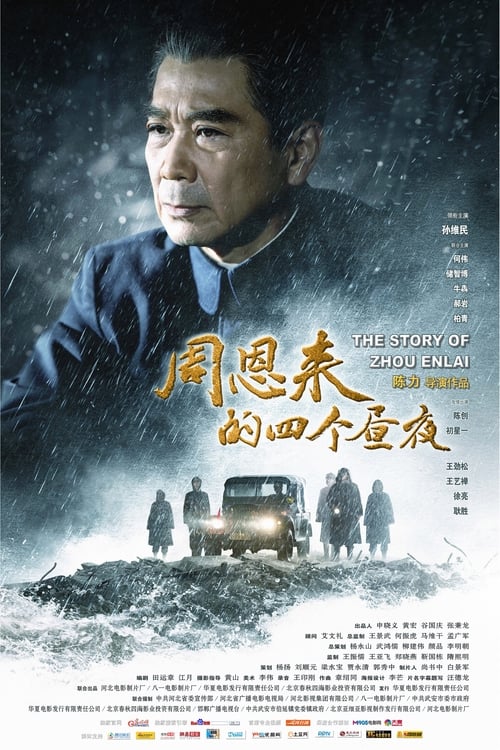
The Story of Zhou Enlai
With a unique perspective of the accompanying cameraman of Premier Zhou Enlai, the film tactfully tells the story that Premier Zhou went to the old revolutionary base area of Hebei Province at the beginning of the 1960s when our country suffered from the Great Chinese Feminine. He made in-depth research in Boyan commune of Handan District, work closely with the masses, followed up a clue and seized the culprit in four days and nights.
The film earned $11.2M at the global box office.
Plot Structure
Story beats plotted across runtime


Narrative Arc
Emotional journey through the story's key moments
Story Circle
Blueprint 15-beat structure
Arcplot Score Breakdown
Weighted: Precision (70%) + Arc (15%) + Theme (15%)
The Story of Zhou Enlai (2013) exhibits meticulously timed narrative design, characteristic of Chen Li's storytelling approach. This structural analysis examines how the film's 15-point plot structure maps to proven narrative frameworks across 1 hour and 46 minutes. With an Arcplot score of 7.4, the film balances conventional beats with creative variation.
Structural Analysis
The Status Quo at 1 minutes (1% through the runtime) establishes Zhou Enlai established as Premier of the People's Republic of China, overseeing the nation with dedication and diplomatic grace during a period of relative stability.. Significantly, this early placement immediately immerses viewers in the story world.
The inciting incident occurs at 13 minutes when Zhou receives devastating news about his cancer diagnosis. The illness threatens not only his life but his ability to guide China through turbulent political times.. At 12% through the film, this Disruption aligns precisely with traditional story structure. This beat shifts the emotional landscape, launching the protagonist into the central conflict.
The First Threshold at 27 minutes marks the transition into Act II, occurring at 25% of the runtime. This illustrates the protagonist's commitment to Zhou makes the active decision to continue his work despite his diagnosis, committing to see China through its critical transition. He chooses duty over personal health., moving from reaction to action.
At 53 minutes, the Midpoint arrives at 50% of the runtime—precisely centered, creating perfect narrative symmetry. The analysis reveals that this crucial beat A major political crisis erupts that threatens Zhou's reforms and China's stability. What seemed like progress collapses as factional conflicts intensify. The stakes are raised dramatically., fundamentally raising what's at risk. The emotional intensity shifts, dividing the narrative into clear before-and-after phases.
The Collapse moment at 80 minutes (75% through) represents the emotional nadir. Here, Zhou suffers a severe health crisis requiring hospitalization. Confined to his bed, he faces his mortality while learning that key allies have been purged. His life's work seems to be dying with him., demonstrates the protagonist at their lowest point. This beat's placement in the final quarter sets up the climactic reversal.
The Second Threshold at 85 minutes initiates the final act resolution at 80% of the runtime. Zhou receives word that the next generation of leaders he mentored are ready to carry forward his vision. He realizes his true legacy is not in his survival but in the principles he instilled in others., demonstrating the transformation achieved throughout the journey.
Emotional Journey
The Story of Zhou Enlai's emotional architecture traces a deliberate progression across 15 carefully calibrated beats.
Narrative Framework
This structural analysis employs a 15-point narrative structure framework that maps key story moments. By mapping The Story of Zhou Enlai against these established plot points, we can identify how Chen Li utilizes or subverts traditional narrative conventions. The plot point approach reveals not only adherence to structural principles but also creative choices that distinguish The Story of Zhou Enlai within the drama genre.
Comparative Analysis
Additional drama films include Eye for an Eye, South Pacific and Kiss of the Spider Woman.
Plot Points by Act
Act I
SetupStatus Quo
Zhou Enlai established as Premier of the People's Republic of China, overseeing the nation with dedication and diplomatic grace during a period of relative stability.
Theme
A colleague reflects on Zhou's philosophy: "To serve the people is to sacrifice oneself." This establishes the film's central theme of selfless leadership and personal cost.
Worldbuilding
Introduction to Zhou's world in the 1970s: his relationships with colleagues, his deteriorating health, the political tensions of the Cultural Revolution, and his unwavering commitment to China's future.
Disruption
Zhou receives devastating news about his cancer diagnosis. The illness threatens not only his life but his ability to guide China through turbulent political times.
Resistance
Zhou struggles with whether to step down or continue serving despite his illness. Flashbacks reveal his revolutionary past and the principles that shaped him, while colleagues urge him to rest.
Act II
ConfrontationFirst Threshold
Zhou makes the active decision to continue his work despite his diagnosis, committing to see China through its critical transition. He chooses duty over personal health.
Mirror World
Deep scenes with Zhou's wife Deng Yingchao reveal their personal sacrifice and shared ideals. She embodies the thematic counterpoint: love and humanity within revolutionary commitment.
Premise
Zhou navigates complex political tensions, works on diplomatic initiatives, mentors younger leaders, and demonstrates the "promise of the premise": statesmanship in action despite personal suffering.
Midpoint
A major political crisis erupts that threatens Zhou's reforms and China's stability. What seemed like progress collapses as factional conflicts intensify. The stakes are raised dramatically.
Opposition
Zhou's health deteriorates while political opposition intensifies. His influence wanes, radical factions gain power, and his vision for China's future appears increasingly imperiled.
Collapse
Zhou suffers a severe health crisis requiring hospitalization. Confined to his bed, he faces his mortality while learning that key allies have been purged. His life's work seems to be dying with him.
Crisis
In his darkest hour, Zhou reflects on his revolutionary journey, questioning whether his sacrifices mattered. He processes the weight of mortality and legacy while China's future hangs in balance.
Act III
ResolutionSecond Threshold
Zhou receives word that the next generation of leaders he mentored are ready to carry forward his vision. He realizes his true legacy is not in his survival but in the principles he instilled in others.
Synthesis
Zhou makes final arrangements, imparts wisdom to successors, and reconciles with his fate. He executes his last acts of service, ensuring continuity and stability for China beyond his life.
Transformation
Final image of Zhou at peace, having fulfilled his duty. Contrasts with opening: no longer the active Premier, but transformed into a symbol of selfless service whose influence transcends his mortality.