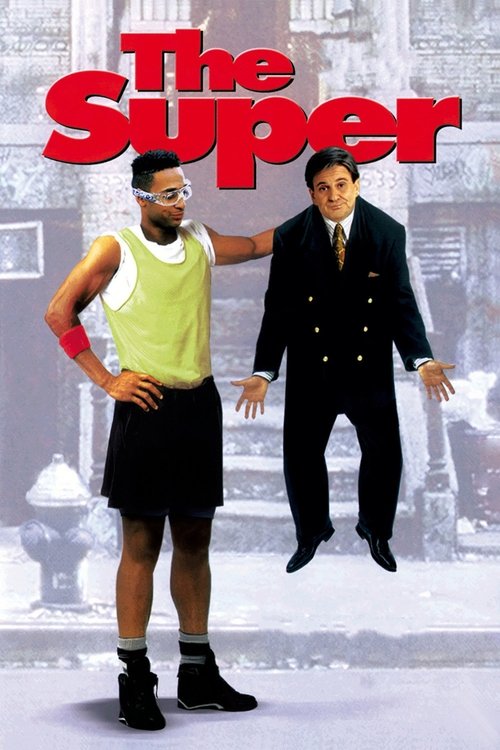
The Super
Louie Kritski is a heartless landlord who has been so negligent in keeping up his ghetto apartment that he is threatened with jail time. The judge gives him another option -- he must live in his rat-infested hell hole until he brings it up to liveable standards.
The film struggled financially against its moderate budget of $22.0M, earning $11.0M globally (-50% loss). While initial box office returns were modest, the film has gained appreciation for its bold vision within the comedy genre.


Plot Structure
Story beats plotted across runtime


Narrative Arc
Emotional journey through the story's key moments
Story Circle
Blueprint 15-beat structure
Arcplot Score Breakdown
Weighted: Precision (70%) + Arc (15%) + Theme (15%)
The Super (1991) showcases meticulously timed narrative design, characteristic of Rod Daniel's storytelling approach. This structural analysis examines how the film's 15-point plot structure maps to proven narrative frameworks across 1 hour and 26 minutes. With an Arcplot score of 7.2, the film balances conventional beats with creative variation.
Characters
Cast & narrative archetypes

Louie Kritski
Naomi Bensinger
Big Lou Kritski
Marlon
Judge Kallin
Irene Kritski
Heather Kritski
Lester
Main Cast & Characters
Louie Kritski
Played by Joe Pesci
A wealthy, self-centered slumlord forced by a judge to live in one of his own dilapidated tenement buildings as punishment for code violations.
Naomi Bensinger
Played by Madolyn Smith Osborne
A determined tenant activist and single mother who initially clashes with Louie but becomes his love interest as he transforms.
Big Lou Kritski
Played by Vincent Gardenia
Louie's domineering father and fellow slumlord who raised him in the family business and disapproves of his son's growing conscience.
Marlon
Played by Kenny Blank
A young boy in the tenement building who befriends Louie and helps humanize the landlord through their growing bond.
Judge Kallin
Played by Stacey Keach
The no-nonsense judge who sentences Louie to live in his own building, serving as the catalyst for his transformation.
Irene Kritski
Played by Eileen Brennan
Louie's materialistic wife who is horrified by his sentence and abandons him when he moves into the tenement.
Heather Kritski
Played by Carla Gugino
Louie's spoiled teenage daughter who initially shares her mother's disdain but eventually reconnects with her father.
Lester
Played by Ruben Blades
A helpful tenant in the building who assists Louie in navigating his new environment and becomes an unlikely ally.
Structural Analysis
The Status Quo at 1 minutes (1% through the runtime) establishes Louie Kritski is a wealthy, greedy slumlord living in luxury while his tenants suffer in deplorable conditions in his rundown apartment building.. Notably, this early placement immediately immerses viewers in the story world.
The inciting incident occurs at 10 minutes when Judge orders Louie to live in his own slum building until he brings it up to code, stripping away his comfortable lifestyle.. At 12% through the film, this Disruption aligns precisely with traditional story structure. This beat shifts the emotional landscape, launching the protagonist into the central conflict.
The First Threshold at 22 minutes marks the transition into Act II, occurring at 25% of the runtime. This reveals the protagonist's commitment to Louie fully commits to living in the building and experiences firsthand the harsh reality of broken heat in winter, rats, and dangerous conditions his tenants endure daily., moving from reaction to action.
At 43 minutes, the Midpoint arrives at 51% of the runtime—precisely centered, creating perfect narrative symmetry. Significantly, this crucial beat Louie achieves a victory in making progress on building repairs and gaining tenant trust, but the stakes raise as he realizes the depth of work needed and his growing emotional investment., fundamentally raising what's at risk. The emotional intensity shifts, dividing the narrative into clear before-and-after phases.
The Collapse moment at 65 minutes (76% through) represents the emotional nadir. Here, Major crisis hits—possibly financial ruin, a serious building disaster, or betrayal—that threatens everything Louie has worked for and forces him to confront who he has become versus who he was., demonstrates the protagonist at their lowest point. This beat's placement in the final quarter sets up the climactic reversal.
The Second Threshold at 69 minutes initiates the final act resolution at 80% of the runtime. Louie has a realization that synthesizes his business knowledge with his newfound empathy, seeing a way forward that honors both the community and his responsibilities., demonstrating the transformation achieved throughout the journey.
Emotional Journey
The Super's emotional architecture traces a deliberate progression across 15 carefully calibrated beats.
Narrative Framework
This structural analysis employs a 15-point narrative structure framework that maps key story moments. By mapping The Super against these established plot points, we can identify how Rod Daniel utilizes or subverts traditional narrative conventions. The plot point approach reveals not only adherence to structural principles but also creative choices that distinguish The Super within the comedy genre.
Rod Daniel's Structural Approach
Among the 5 Rod Daniel films analyzed on Arcplot, the average structural score is 7.2, reflecting strong command of classical structure. The Super exemplifies the director's characteristic narrative technique. For comparative analysis, explore the complete Rod Daniel filmography.
Comparative Analysis
Additional comedy films include The Bad Guys, Ella Enchanted and The Evening Star. For more Rod Daniel analyses, see K-9, Teen Wolf and Beethoven's 2nd.
Plot Points by Act
Act I
SetupStatus Quo
Louie Kritski is a wealthy, greedy slumlord living in luxury while his tenants suffer in deplorable conditions in his rundown apartment building.
Theme
A tenant or lawyer states that people deserve dignity and decent living conditions, establishing the theme of empathy and social responsibility.
Worldbuilding
Establishment of Louie's ruthless business practices, his estranged relationship with his father Big Lou, the suffering tenants, and the deplorable building conditions including broken heat, rats, and structural damage.
Disruption
Judge orders Louie to live in his own slum building until he brings it up to code, stripping away his comfortable lifestyle.
Resistance
Louie resists the sentence, tries to find loopholes, and reluctantly moves into the building while plotting ways to escape or minimize his involvement in repairs.
Act II
ConfrontationFirst Threshold
Louie fully commits to living in the building and experiences firsthand the harsh reality of broken heat in winter, rats, and dangerous conditions his tenants endure daily.
Mirror World
Louie begins interacting with tenants as people rather than profit sources, particularly forming relationships that will challenge his worldview and teach him empathy.
Premise
The fish-out-of-water comedy as Louie struggles with tenant problems, building repairs, and navigating life without his former privileges while slowly connecting with the community.
Midpoint
Louie achieves a victory in making progress on building repairs and gaining tenant trust, but the stakes raise as he realizes the depth of work needed and his growing emotional investment.
Opposition
Mounting challenges including costly repairs, his father's interference, financial pressures, and complications in his relationships with tenants as his old and new worlds collide.
Collapse
Major crisis hits—possibly financial ruin, a serious building disaster, or betrayal—that threatens everything Louie has worked for and forces him to confront who he has become versus who he was.
Crisis
Louie's dark night where he must choose between reverting to his old selfish ways or fully embracing his transformation and responsibility to his tenants.
Act III
ResolutionSecond Threshold
Louie has a realization that synthesizes his business knowledge with his newfound empathy, seeing a way forward that honors both the community and his responsibilities.
Synthesis
Louie executes his plan to save the building and community, confronting his father and old life while proving his transformation through action and sacrifice.
Transformation
Final image shows Louie as a changed man, now genuinely caring for his tenants and building, having learned empathy and social responsibility—the opposite of the opening image.