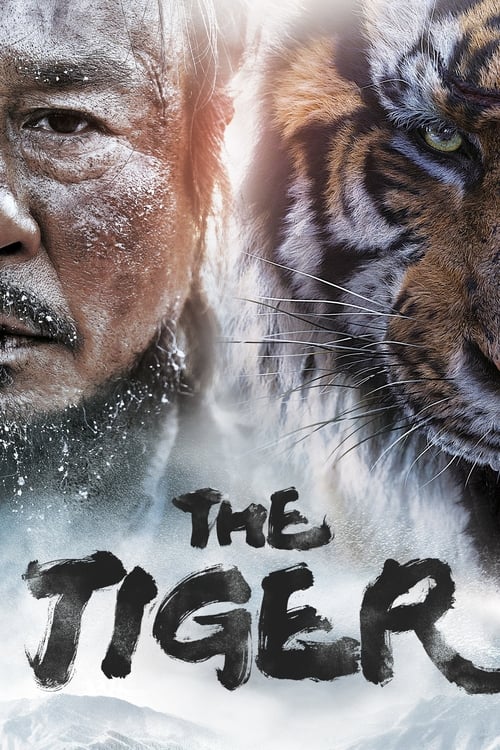
The Tiger
In 1925 Korea, Japanese rulers demand the last remaining tiger be killed. The tiger easily defeats his pursuers until a legendary hunter takes him on.
The film earned $11.1M at the global box office.


Plot Structure
Story beats plotted across runtime


Narrative Arc
Emotional journey through the story's key moments
Story Circle
Blueprint 15-beat structure
Arcplot Score Breakdown
Weighted: Precision (70%) + Arc (15%) + Theme (15%)
The Tiger (2015) exhibits deliberately positioned narrative design, characteristic of Park Hoon-jung's storytelling approach. This structural analysis examines how the film's 15-point plot structure maps to proven narrative frameworks across 2 hours and 19 minutes. With an Arcplot score of 7.4, the film balances conventional beats with creative variation.
Characters
Cast & narrative archetypes

Chun Man-duk
Maezono
Seok
Chil-goo
Goo-kyung
Main Cast & Characters
Chun Man-duk
Played by Choi Min-sik
A legendary hunter seeking revenge for his wife's death while protecting the last great tiger of Mount Jirisan
Maezono
Played by Jeong Man-sik
A Japanese military officer obsessed with hunting the legendary tiger as a symbol of conquest
Seok
Played by Kim Sang-ho
Chun Man-duk's son who struggles with his father's dangerous obsession
Chil-goo
Played by Jeong Seok-won
A skilled tracker and loyal friend who assists Man-duk in his mission
Goo-kyung
Played by Ra Mi-ran
A young hunter and member of Man-duk's hunting party
Structural Analysis
The Status Quo at 1 minutes (1% through the runtime) establishes The majestic Mountain Lord tiger roams the snow-covered peaks of Mount Jirisan. Chun Man-duk, once the greatest hunter in Joseon, now lives a quiet life with his young son Seok, having abandoned hunting after his wife's tragic death.. Of particular interest, this early placement immediately immerses viewers in the story world.
The inciting incident occurs at 17 minutes when Japanese Commander Maezono demands that the legendary hunter Man-duk lead an expedition to kill the Mountain Lord. When Man-duk refuses, the Japanese threaten his village and his son. The peaceful life Man-duk built is shattered by colonial violence.. At 12% through the film, this Disruption aligns precisely with traditional story structure. This beat shifts the emotional landscape, launching the protagonist into the central conflict.
The First Threshold at 35 minutes marks the transition into Act II, occurring at 25% of the runtime. This indicates the protagonist's commitment to Man-duk takes up his rifle and joins the hunting expedition to protect his son. He crosses back into the world he abandoned—the frozen mountain wilderness—accepting that he must become the hunter once more. This is an active choice driven by paternal love., moving from reaction to action.
At 70 minutes, the Midpoint arrives at 50% of the runtime—precisely centered, creating perfect narrative symmetry. Of particular interest, this crucial beat The hunting party finally corners the Mountain Lord, but the confrontation turns catastrophic. The tiger unleashes devastating attacks, killing several hunters. Man-duk wounds the tiger but it escapes. The false victory of trapping the beast becomes a false defeat as casualties mount and the Japanese commander's obsession grows more dangerous. The stakes escalate from a hunt to a war., fundamentally raising what's at risk. The emotional intensity shifts, dividing the narrative into clear before-and-after phases.
The Collapse moment at 104 minutes (75% through) represents the emotional nadir. Here, Seok is gravely wounded protecting his father from the tiger's attack. Man-duk holds his dying son in the snow, the last of his family slipping away. Everything Man-duk tried to protect is lost. The "whiff of death" is literal—his bloodline ends, his purpose for living destroyed. He is left alone with only vengeance and grief., demonstrates the protagonist at their lowest point. This beat's placement in the final quarter sets up the climactic reversal.
The Second Threshold at 111 minutes initiates the final act resolution at 80% of the runtime. Man-duk realizes that the Mountain Lord is not his enemy—they are kindred spirits, both relics of a dying world, both fighting against extinction. He chooses to return to the mountain one final time, not to hunt the tiger for the Japanese, but to face his destiny on his own terms. His purpose transforms from vengeance to spiritual completion., demonstrating the transformation achieved throughout the journey.
Emotional Journey
The Tiger's emotional architecture traces a deliberate progression across 15 carefully calibrated beats.
Narrative Framework
This structural analysis employs systematic plot point analysis that identifies crucial turning points. By mapping The Tiger against these established plot points, we can identify how Park Hoon-jung utilizes or subverts traditional narrative conventions. The plot point approach reveals not only adherence to structural principles but also creative choices that distinguish The Tiger within the action genre.
Park Hoon-jung's Structural Approach
Among the 3 Park Hoon-jung films analyzed on Arcplot, the average structural score is 7.0, demonstrating varied approaches to story architecture. The Tiger represents one of the director's most structurally precise works. For comparative analysis, explore the complete Park Hoon-jung filmography.
Comparative Analysis
Additional action films include The Bad Guys, Puss in Boots and Venom: The Last Dance. For more Park Hoon-jung analyses, see The Witch: Part 1. The Subversion, The Witch: Part 2. The Other One.
Plot Points by Act
Act I
SetupStatus Quo
The majestic Mountain Lord tiger roams the snow-covered peaks of Mount Jirisan. Chun Man-duk, once the greatest hunter in Joseon, now lives a quiet life with his young son Seok, having abandoned hunting after his wife's tragic death.
Theme
A villager remarks that the mountain belongs to the tiger, not to men—those who challenge the Mountain Lord invite their own destruction. This establishes the central theme: the hubris of man against nature and the spiritual price of disrupting the natural order.
Worldbuilding
The world of 1925 Japanese-occupied Korea is established. Man-duk's legendary past as a hunter is revealed through village gossip. His strained relationship with his rebellious son Seok, who resents his father's passivity, creates domestic tension. The Japanese colonial authorities arrive, obsessed with killing the last great tiger of Korea as a symbol of conquest.
Disruption
Japanese Commander Maezono demands that the legendary hunter Man-duk lead an expedition to kill the Mountain Lord. When Man-duk refuses, the Japanese threaten his village and his son. The peaceful life Man-duk built is shattered by colonial violence.
Resistance
Man-duk resists the pressure to hunt, haunted by memories of his wife's death and his vow never to kill again. Gu-kyung, a fellow hunter and old friend, urges him to comply for the village's safety. Seok secretly joins the Japanese hunting party, forcing his father's hand. Man-duk grapples with his past, his responsibility to his son, and the impossible choice before him.
Act II
ConfrontationFirst Threshold
Man-duk takes up his rifle and joins the hunting expedition to protect his son. He crosses back into the world he abandoned—the frozen mountain wilderness—accepting that he must become the hunter once more. This is an active choice driven by paternal love.
Mirror World
On the mountain, Man-duk reconnects with his son Seok during the hunt. Through their journey together, the fractured father-son bond begins to heal. Seok comes to understand why his father stopped hunting—not from cowardice, but from spiritual reckoning. The tiger itself serves as a mirror to Man-duk's own fierce spirit.
Premise
The hunt intensifies across the brutal winter landscape. Man-duk's extraordinary tracking skills are showcased as he reads the mountain. The hunting party faces dangers from weather, terrain, and the cunning tiger who picks off hunters one by one. Man-duk's legendary reputation is validated through action. Brief encounters with the Mountain Lord reveal its intelligence and almost supernatural presence.
Midpoint
The hunting party finally corners the Mountain Lord, but the confrontation turns catastrophic. The tiger unleashes devastating attacks, killing several hunters. Man-duk wounds the tiger but it escapes. The false victory of trapping the beast becomes a false defeat as casualties mount and the Japanese commander's obsession grows more dangerous. The stakes escalate from a hunt to a war.
Opposition
The wounded tiger becomes more dangerous, retaliating against the hunters with terrifying precision. Japanese cruelty intensifies as Commander Maezono sacrifices Korean hunters as bait. Man-duk witnesses the brutality of colonial occupation mirrored in the hunt. Gu-kyung and other hunters die. The mountain becomes a killing ground where man's hubris is punished by nature's fury.
Collapse
Seok is gravely wounded protecting his father from the tiger's attack. Man-duk holds his dying son in the snow, the last of his family slipping away. Everything Man-duk tried to protect is lost. The "whiff of death" is literal—his bloodline ends, his purpose for living destroyed. He is left alone with only vengeance and grief.
Crisis
Man-duk carries his son's body down the mountain, broken. In his darkest moment, he processes the loss of everything—his wife, his son, his peaceful life, his very reason for existence. The Japanese continue their relentless hunt around him, but Man-duk exists in a void of grief, disconnected from their colonial ambitions.
Act III
ResolutionSecond Threshold
Man-duk realizes that the Mountain Lord is not his enemy—they are kindred spirits, both relics of a dying world, both fighting against extinction. He chooses to return to the mountain one final time, not to hunt the tiger for the Japanese, but to face his destiny on his own terms. His purpose transforms from vengeance to spiritual completion.
Synthesis
Man-duk ascends the mountain alone for the final confrontation. He outmaneuvers and kills the remaining Japanese soldiers who treated Korean lives as expendable. The climactic encounter with the Mountain Lord is not a battle but a meeting of equals. Man-duk and the tiger face each other in mutual recognition—two last survivors of the old world, choosing how to end their stories with dignity.
Transformation
The Mountain Lord and Man-duk's fates intertwine in their final moments. The tiger, the last great spirit of Korea's wilderness, falls—but so does the old hunter who understood him. Man-duk's transformation is complete: from reluctant hunter to willing sacrifice, achieving peace through accepting death alongside his spiritual equal. The snow-covered mountain stands eternal, outlasting both man and beast.