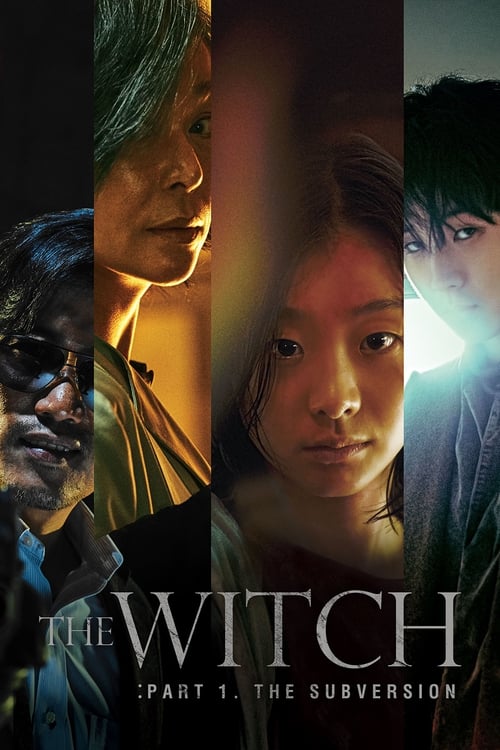
The Witch: Part 1. The Subversion
Ja-yoon is a high school student who struggles with memory loss after she endured some unknown trauma during her childhood. While trying to uncover the truth, she is unwittingly dragged into a world of crime and finds herself on a journey that will awaken many secrets hidden deep within.
Despite its modest budget of $5.5M, The Witch: Part 1. The Subversion became a solid performer, earning $24.3M worldwide—a 343% return. The film's unconventional structure found its audience, illustrating how strong storytelling can transcend budget limitations.


Plot Structure
Story beats plotted across runtime


Narrative Arc
Emotional journey through the story's key moments
Story Circle
Blueprint 15-beat structure
Arcplot Score Breakdown
Weighted: Precision (70%) + Arc (15%) + Theme (15%)
The Witch: Part 1. The Subversion (2018) reveals carefully calibrated plot construction, characteristic of Park Hoon-jung's storytelling approach. This structural analysis examines how the film's 15-point plot structure maps to proven narrative frameworks across 2 hours and 5 minutes. With an Arcplot score of 6.7, the film balances conventional beats with creative variation.
Characters
Cast & narrative archetypes

Ja-yoon / Koo Ja-yoon
Dr. Baek
Mr. Choi
Myung-hee
Nobleman
Director
Main Cast & Characters
Ja-yoon / Koo Ja-yoon
Played by Kim Da-mi
A mysterious girl with no memories who escapes from a secret facility and discovers she possesses superhuman abilities.
Dr. Baek
Played by Choi Woo-shik
The sinister scientist who oversees the experimental program and pursues Ja-yoon to recapture her.
Mr. Choi
Played by Choi Jung-woo
A ruthless operative who leads the field team hunting down Ja-yoon with extreme prejudice.
Myung-hee
Played by Ko Min-si
Ja-yoon's adoptive mother who runs a farm and provides a loving home for eight years.
Nobleman
Played by Park Hee-soon
A powerful and enigmatic figure who appears to have connections to the secret organization.
Director
Played by Jo Min-su
The high-ranking official overseeing the entire experimental program.
Structural Analysis
The Status Quo at 2 minutes (1% through the runtime) establishes A young girl covered in blood escapes from a burning government facility at night, collapsing in a field where an elderly farmer discovers her. This haunting opening establishes the mystery of Ja-yoon's violent origins and sets up her need to escape her past.. Structural examination shows that this early placement immediately immerses viewers in the story world.
The inciting incident occurs at 15 minutes when Ja-yoon decides to audition for a televised singing competition to win money for her father's surgery. By appearing on national TV, she unknowingly exposes herself to the very people hunting for her, setting the entire plot in motion.. At 12% through the film, this Disruption aligns precisely with traditional story structure. This beat shifts the emotional landscape, launching the protagonist into the central conflict.
The First Threshold at 32 minutes marks the transition into Act II, occurring at 26% of the runtime. This demonstrates the protagonist's commitment to Strange men approach Ja-yoon after a competition round, and she's confronted by agents who know her real name: Koo-ja. She can no longer hide or pretend to be normal. Her secret past has found her, and she must face it., moving from reaction to action.
At 63 minutes, the Midpoint arrives at 50% of the runtime—precisely centered, creating perfect narrative symmetry. Of particular interest, this crucial beat The Nobleman's team kidnaps Ja-yoon, taking her to their hideout. They reveal the truth about the facility: she was one of many genetically enhanced children created as weapons. The stakes shift from hiding to survival as Ja-yoon realizes she cannot simply return to normal life—false defeat as her world is shattered., fundamentally raising what's at risk. The emotional intensity shifts, dividing the narrative into clear before-and-after phases.
The Collapse moment at 93 minutes (74% through) represents the emotional nadir. Here, The Nobleman's team threatens Ja-yoon's adoptive parents directly, using them as leverage. Her father is injured in the confrontation. Everything she tried to protect—her family, her normal life, her hidden identity—collapses. The whiff of death hangs over her wounded father., indicates the protagonist at their lowest point. This beat's placement in the final quarter sets up the climactic reversal.
The Second Threshold at 99 minutes initiates the final act resolution at 79% of the runtime. Ja-yoon makes her choice. She stops suppressing her abilities and fully embraces her powers to protect her family. The revelation: she was never the helpless victim—she was the facility's most successful and dangerous subject, who chose to forget. Now she chooses to remember., demonstrating the transformation achieved throughout the journey.
Emotional Journey
The Witch: Part 1. The Subversion's emotional architecture traces a deliberate progression across 15 carefully calibrated beats.
Narrative Framework
This structural analysis employs structural analysis methodology used to understand storytelling architecture. By mapping The Witch: Part 1. The Subversion against these established plot points, we can identify how Park Hoon-jung utilizes or subverts traditional narrative conventions. The plot point approach reveals not only adherence to structural principles but also creative choices that distinguish The Witch: Part 1. The Subversion within the action genre.
Park Hoon-jung's Structural Approach
Among the 3 Park Hoon-jung films analyzed on Arcplot, the average structural score is 7.0, demonstrating varied approaches to story architecture. The Witch: Part 1. The Subversion takes a more unconventional approach compared to the director's typical style. For comparative analysis, explore the complete Park Hoon-jung filmography.
Comparative Analysis
Additional action films include The Bad Guys, Puss in Boots and Venom: The Last Dance. For more Park Hoon-jung analyses, see The Witch: Part 2. The Other One, The Tiger.
Plot Points by Act
Act I
SetupStatus Quo
A young girl covered in blood escapes from a burning government facility at night, collapsing in a field where an elderly farmer discovers her. This haunting opening establishes the mystery of Ja-yoon's violent origins and sets up her need to escape her past.
Theme
Ja-yoon's adoptive father tells her she's their daughter no matter what, stating "Family isn't about blood, it's about who loves you." This establishes the central thematic question: is identity determined by one's origins or by the choices and connections one makes?
Worldbuilding
We meet Ja-yoon as a high school senior living peacefully on a farm with her adoptive parents. Her father is sick and needs expensive surgery. She experiences mysterious headaches and nosebleeds. Her friend Myung-hee suggests entering a TV singing competition to win prize money. The secret facility and its operatives are shown monitoring escaped subjects.
Disruption
Ja-yoon decides to audition for a televised singing competition to win money for her father's surgery. By appearing on national TV, she unknowingly exposes herself to the very people hunting for her, setting the entire plot in motion.
Resistance
Ja-yoon advances through the singing competition rounds while Dr. Baek's team at the facility identifies her from the broadcast. Mr. Choi dispatches agents to retrieve her. Meanwhile, a rival faction led by the Nobleman also spots her. Ja-yoon remains oblivious to the danger, focused on winning for her family.
Act II
ConfrontationFirst Threshold
Strange men approach Ja-yoon after a competition round, and she's confronted by agents who know her real name: Koo-ja. She can no longer hide or pretend to be normal. Her secret past has found her, and she must face it.
Mirror World
Ja-yoon returns home to her adoptive parents, sharing a tender dinner scene where their unconditional love is evident. Her father's gentle care and her mother's warmth represent the normal life and identity she wants to protect—the humanity that her creators tried to strip away.
Premise
The cat-and-mouse game begins. Multiple factions pursue Ja-yoon: government agents want to recapture her, while a mysterious group led by the Nobleman wants to recruit her. Ja-yoon plays innocent while secretly testing her returning powers. She experiences flashbacks to the facility. The tension builds as she navigates between her normal life and the hunters closing in.
Midpoint
The Nobleman's team kidnaps Ja-yoon, taking her to their hideout. They reveal the truth about the facility: she was one of many genetically enhanced children created as weapons. The stakes shift from hiding to survival as Ja-yoon realizes she cannot simply return to normal life—false defeat as her world is shattered.
Opposition
Ja-yoon is pressured by both factions. The Nobleman tries to recruit her, demonstrating his own superhuman abilities. Dr. Baek's government team closes in. Ja-yoon's headaches worsen as her suppressed powers fight to emerge. She struggles to maintain her facade while protecting her family from becoming targets.
Collapse
The Nobleman's team threatens Ja-yoon's adoptive parents directly, using them as leverage. Her father is injured in the confrontation. Everything she tried to protect—her family, her normal life, her hidden identity—collapses. The whiff of death hangs over her wounded father.
Crisis
Ja-yoon tends to her injured father, facing the dark reality that her presence endangers everyone she loves. She must choose: continue hiding and let others suffer, or embrace the monster she was created to be. Her friend Myung-hee is also captured as additional leverage.
Act III
ResolutionSecond Threshold
Ja-yoon makes her choice. She stops suppressing her abilities and fully embraces her powers to protect her family. The revelation: she was never the helpless victim—she was the facility's most successful and dangerous subject, who chose to forget. Now she chooses to remember.
Synthesis
Ja-yoon unleashes her full psychic powers in a spectacular battle against all her enemies. She systematically destroys the Nobleman's team, using telekinesis and superhuman combat abilities. She confronts Dr. Baek's government forces. The extended action sequence reveals she is far more powerful than anyone realized—the true apex of the program.
Transformation
Ja-yoon stands victorious over her defeated enemies, fully transformed from innocent farm girl to powerful weapon who fights on her own terms. She returns to her family, but with knowing eyes—no longer hiding from her nature but integrating it with the love that defines her. She is both Koo-ja and Ja-yoon now.