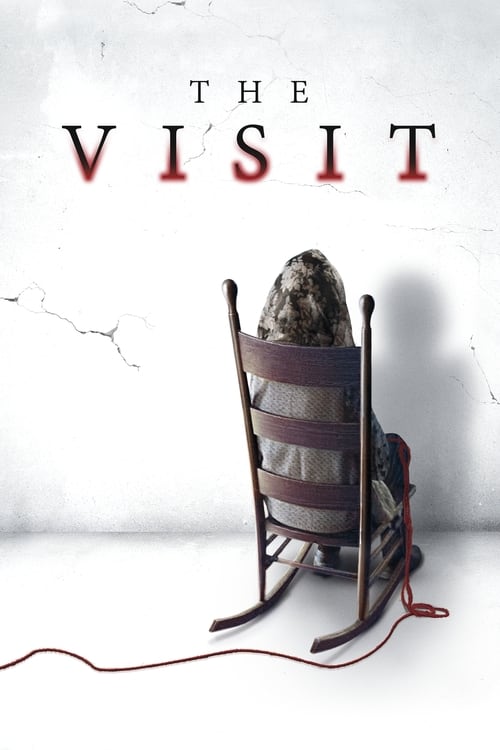
The Visit
A brother and sister are sent to their grandparents' remote Pennsylvania farm for a week, where they discover that the elderly couple is involved in something deeply disturbing.
Despite its limited budget of $5.0M, The Visit became a box office phenomenon, earning $98.5M worldwide—a remarkable 1869% return. The film's unique voice engaged audiences, showing that strong storytelling can transcend budget limitations.
1 win & 14 nominations


Plot Structure
Story beats plotted across runtime


Narrative Arc
Emotional journey through the story's key moments
Story Circle
Blueprint 15-beat structure
Arcplot Score Breakdown
Weighted: Precision (70%) + Arc (15%) + Theme (15%)
The Visit (2015) reveals carefully calibrated plot construction, characteristic of M. Night Shyamalan's storytelling approach. This structural analysis examines how the film's 15-point plot structure maps to proven narrative frameworks across 1 hour and 34 minutes. With an Arcplot score of 7.0, the film balances conventional beats with creative variation.
Structural Analysis
The Status Quo at 1 minutes (1% through the runtime) establishes Becca films Tyler rapping in their Philadelphia home, establishing their creative documentary project and strained family dynamic after their father left.. Notably, this early placement immediately immerses viewers in the story world.
The inciting incident occurs at 12 minutes when The kids arrive at the isolated farmhouse and meet their grandparents for the first time - Nana and Pop Pop seem kind but slightly off, living in a remote location with no cell service.. At 13% through the film, this Disruption is delayed, allowing extended setup of the story world. This beat shifts the emotional landscape, launching the protagonist into the central conflict.
The First Threshold at 24 minutes marks the transition into Act II, occurring at 25% of the runtime. This illustrates the protagonist's commitment to Becca witnesses Nana violently projectile vomiting and running around naked at night, crossing into disturbing territory. The kids decide to stay and investigate rather than leave, documenting the strange behavior., moving from reaction to action.
At 47 minutes, the Midpoint arrives at 51% of the runtime—precisely centered, creating perfect narrative symmetry. Structural examination shows that this crucial beat Tyler discovers a bag of soiled adult diapers hidden in the shed and photographs of their real grandparents, leading to the horrifying realization that Nana and Pop Pop might not be who they claim to be. Stakes raise dramatically., fundamentally raising what's at risk. The emotional intensity shifts, dividing the narrative into clear before-and-after phases.
The Collapse moment at 70 minutes (75% through) represents the emotional nadir. Here, The children discover their real grandparents are dead - murdered by the impostors, who are escaped psychiatric patients. Pop Pop attacks and nearly kills Tyler. All hope seems lost as they're trapped with homicidal maniacs., indicates the protagonist at their lowest point. This beat's placement in the final quarter sets up the climactic reversal.
The Second Threshold at 75 minutes initiates the final act resolution at 80% of the runtime. The children realize they must fight back rather than hide. They formulate a plan to use their documentary skills and knowledge of the house to defeat the impostors and escape., demonstrating the transformation achieved throughout the journey.
Emotional Journey
The Visit's emotional architecture traces a deliberate progression across 15 carefully calibrated beats.
Narrative Framework
This structural analysis employs proven narrative structure principles that track dramatic progression. By mapping The Visit against these established plot points, we can identify how M. Night Shyamalan utilizes or subverts traditional narrative conventions. The plot point approach reveals not only adherence to structural principles but also creative choices that distinguish The Visit within the horror genre.
M. Night Shyamalan's Structural Approach
Among the 14 M. Night Shyamalan films analyzed on Arcplot, the average structural score is 7.0, reflecting strong command of classical structure. The Visit takes a more unconventional approach compared to the director's typical style. For comparative analysis, explore the complete M. Night Shyamalan filmography.
Comparative Analysis
Additional horror films include Thinner, A Nightmare on Elm Street and Mary Reilly. For more M. Night Shyamalan analyses, see Signs, Unbreakable and The Sixth Sense.
Plot Points by Act
Act I
SetupStatus Quo
Becca films Tyler rapping in their Philadelphia home, establishing their creative documentary project and strained family dynamic after their father left.
Theme
Mom explains she left home after a fight with her parents 15 years ago and never reconciled, telling the kids "I want you to hear their side of the story" - establishing themes of forgiveness and understanding.
Worldbuilding
The setup establishes Becca and Tyler as aspiring filmmakers, their mother's upcoming cruise with her boyfriend, the estranged relationship with grandparents they've never met, and their journey to rural Pennsylvania.
Disruption
The kids arrive at the isolated farmhouse and meet their grandparents for the first time - Nana and Pop Pop seem kind but slightly off, living in a remote location with no cell service.
Resistance
The children settle in and learn the house rules: don't go in the basement, be in bed by 9:30 PM. They explore the farm, bond with their grandparents, though strange behaviors begin to emerge - Nana's odd nighttime wandering, Pop Pop's aggressive outbursts.
Act II
ConfrontationFirst Threshold
Becca witnesses Nana violently projectile vomiting and running around naked at night, crossing into disturbing territory. The kids decide to stay and investigate rather than leave, documenting the strange behavior.
Mirror World
The children video chat with Mom, who represents the theme of family reconciliation. They begin to understand her perspective about leaving home and the importance of forgiveness, even as they hide the grandparents' disturbing behavior.
Premise
The "creepy grandparents" premise plays out: Nana scratching walls, hiding under the house, playing Yahtzee obsessively; Pop Pop becoming violent and disoriented. The kids try rationalizing it as dementia while documenting increasingly disturbing incidents, including Nana attacking Becca in the night.
Midpoint
Tyler discovers a bag of soiled adult diapers hidden in the shed and photographs of their real grandparents, leading to the horrifying realization that Nana and Pop Pop might not be who they claim to be. Stakes raise dramatically.
Opposition
The children try to gather evidence and contact help while avoiding detection. Nana becomes more aggressive and territorial. Pop Pop's violence escalates. They attempt to reach their mother but she's unreachable on the cruise. The impostors close in, and the children's fear intensifies.
Collapse
The children discover their real grandparents are dead - murdered by the impostors, who are escaped psychiatric patients. Pop Pop attacks and nearly kills Tyler. All hope seems lost as they're trapped with homicidal maniacs.
Crisis
Trapped in the farmhouse with no escape, the children face their darkest moment. They must confront their terror and find the will to survive. Tyler overcomes his germaphobia fear, Becca her need for control.
Act III
ResolutionSecond Threshold
The children realize they must fight back rather than hide. They formulate a plan to use their documentary skills and knowledge of the house to defeat the impostors and escape.
Synthesis
The finale: Becca and Tyler work together using their unique skills. Tyler overcomes his fear of contamination to fight Pop Pop. Becca uses the camera as both weapon and shield. They kill both impostors - Becca locks Nana in the oven, Tyler bludgeons Pop Pop with the refrigerator. They escape and reunite with their mother.
Transformation
Back home, Becca has completed her documentary and reconciled with her mother, finally forgiving her for leaving. The family embraces, healed through trauma. Becca deletes the footage of her father's abandonment, choosing forgiveness over resentment.