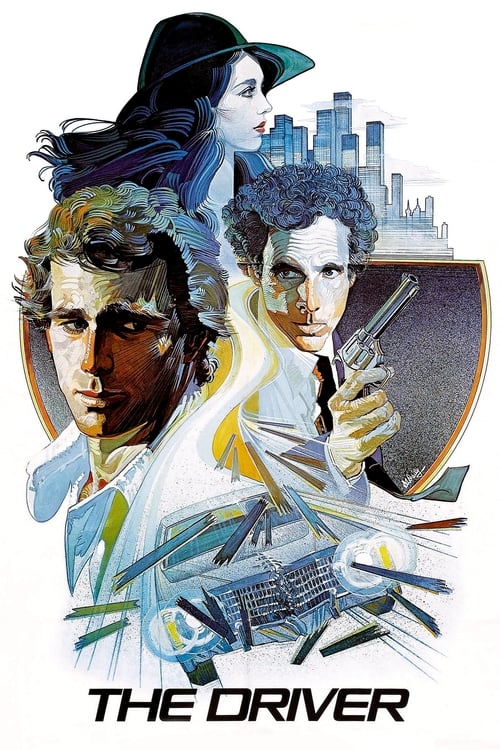
The Driver
The Driver specializes in driving getaway cars for robberies. His exceptional talent has prevented him from being caught yet. After another successful flight from the police a self-assured detective makes it his primary goal to catch the Driver. He promises pardons to a gang if they help to convict him in a set-up robbery. The Driver seeks help from The Player to mislead the detective.
Working with a modest budget of $4.0M, the film achieved a respectable showing with $4.9M in global revenue (+23% profit margin).

Plot Structure
Story beats plotted across runtime


Narrative Arc
Emotional journey through the story's key moments
Story Circle
Blueprint 15-beat structure
Arcplot Score Breakdown
Weighted: Precision (70%) + Arc (15%) + Theme (15%)
The Driver (1978) exemplifies carefully calibrated story structure, characteristic of Walter Hill's storytelling approach. This structural analysis examines how the film's 15-point plot structure maps to proven narrative frameworks across 1 hour and 31 minutes. With an Arcplot score of 7.1, the film balances conventional beats with creative variation.
Characters
Cast & narrative archetypes

The Driver
The Detective
The Player
Main Cast & Characters
The Driver
Played by Ryan O'Neal
A taciturn getaway driver who takes pride in his skills and lives by a strict professional code.
The Detective
Played by Bruce Dern
An obsessed cop willing to break the law and manipulate criminals to catch the Driver.
The Player
Played by Isabelle Adjani
A mysterious woman caught between the Driver and the Detective, used as bait in their cat-and-mouse game.
Structural Analysis
The Status Quo at 1 minutes (1% through the runtime) establishes The Driver waits in his car outside a casino at night, anonymous and alone in the urban darkness of Los Angeles, establishing his existence as a solitary professional living in the shadows.. Of particular interest, this early placement immediately immerses viewers in the story world.
The inciting incident occurs at 12 minutes when The Detective confronts the Driver directly at a diner, making his intentions clear - he will stop at nothing to catch him. The Driver's carefully maintained anonymity is now under direct threat.. At 13% through the film, this Disruption is delayed, allowing extended setup of the story world. This beat shifts the emotional landscape, launching the protagonist into the central conflict.
The First Threshold at 23 minutes marks the transition into Act II, occurring at 25% of the runtime. This indicates the protagonist's commitment to The Driver agrees to take the job offered by Teeth and his crew, despite knowing the Detective is watching. He chooses to continue his profession rather than disappear, accepting the dangerous game., moving from reaction to action.
At 46 minutes, the Midpoint arrives at 51% of the runtime—precisely centered, creating perfect narrative symmetry. Notably, this crucial beat The heist is executed with precision - the Driver performs a flawless getaway. A false victory as the job appears successful, but the Detective has orchestrated the entire setup as part of his trap., fundamentally raising what's at risk. The emotional intensity shifts, dividing the narrative into clear before-and-after phases.
The Collapse moment at 68 minutes (75% through) represents the emotional nadir. Here, The Driver discovers the full extent of the Detective's scheme and that Teeth's crew plans to kill him after the exchange. His professional code and survival instincts are pushed to the limit as betrayal closes in from all sides., illustrates the protagonist at their lowest point. This beat's placement in the final quarter sets up the climactic reversal.
The Second Threshold at 73 minutes initiates the final act resolution at 80% of the runtime. The Driver decides to turn the tables, using his skills not just to escape but to destroy those who betrayed him and outsmart the Detective at his own game. He will meet the criminals on his terms., demonstrating the transformation achieved throughout the journey.
Emotional Journey
The Driver's emotional architecture traces a deliberate progression across 15 carefully calibrated beats.
Narrative Framework
This structural analysis employs structural analysis methodology used to understand storytelling architecture. By mapping The Driver against these established plot points, we can identify how Walter Hill utilizes or subverts traditional narrative conventions. The plot point approach reveals not only adherence to structural principles but also creative choices that distinguish The Driver within the crime genre.
Walter Hill's Structural Approach
Among the 14 Walter Hill films analyzed on Arcplot, the average structural score is 7.1, reflecting strong command of classical structure. The Driver takes a more unconventional approach compared to the director's typical style. For comparative analysis, explore the complete Walter Hill filmography.
Comparative Analysis
Additional crime films include The Bad Guys, Rustom and The Whole Ten Yards. For more Walter Hill analyses, see The Warriors, Johnny Handsome and Brewster's Millions.
Plot Points by Act
Act I
SetupStatus Quo
The Driver waits in his car outside a casino at night, anonymous and alone in the urban darkness of Los Angeles, establishing his existence as a solitary professional living in the shadows.
Theme
The Detective interrogates witnesses about the Driver, declaring his obsessive belief that there's always a way to catch someone no matter how good they are - establishing the theme that identity cannot remain hidden forever.
Worldbuilding
The criminal underworld of Los Angeles is established through a flawlessly executed casino heist getaway. We see the Driver's extraordinary skill, the Detective's relentless pursuit, and The Player who witnesses the crime but refuses to identify the Driver.
Disruption
The Detective confronts the Driver directly at a diner, making his intentions clear - he will stop at nothing to catch him. The Driver's carefully maintained anonymity is now under direct threat.
Resistance
The Driver debates taking on new work while the Detective pressures witnesses. The Connection approaches the Driver with a potential job, and The Player becomes increasingly involved as the Detective tries to use her as bait.
Act II
ConfrontationFirst Threshold
The Driver agrees to take the job offered by Teeth and his crew, despite knowing the Detective is watching. He chooses to continue his profession rather than disappear, accepting the dangerous game.
Mirror World
The Player meets secretly with the Driver, establishing their enigmatic connection. She represents a potential human bond in his isolated existence, someone who sees him and chooses not to betray him.
Premise
The Driver demonstrates his legendary skills in the iconic parking garage scene, systematically destroying a Mercedes to prove his worth. He plans the heist with the crew while navigating the Detective's surveillance and his growing connection with The Player.
Midpoint
The heist is executed with precision - the Driver performs a flawless getaway. A false victory as the job appears successful, but the Detective has orchestrated the entire setup as part of his trap.
Opposition
The Detective's trap tightens as he reveals his manipulation of the criminals. Teeth's crew turns against the Driver, demanding more money and threatening violence. The Player is caught between her attraction to the Driver and police pressure.
Collapse
The Driver discovers the full extent of the Detective's scheme and that Teeth's crew plans to kill him after the exchange. His professional code and survival instincts are pushed to the limit as betrayal closes in from all sides.
Crisis
The Driver processes his impossible situation - trapped between murderous criminals and an obsessed detective. The Player's loyalty becomes his only uncertain ally as he prepares for a final confrontation.
Act III
ResolutionSecond Threshold
The Driver decides to turn the tables, using his skills not just to escape but to destroy those who betrayed him and outsmart the Detective at his own game. He will meet the criminals on his terms.
Synthesis
The explosive finale unfolds as the Driver confronts Teeth's crew at the train station. A deadly game of cat and mouse through the rail yard ends with the criminals eliminated. The Driver disposes of the money rather than let the Detective win, denying everyone the prize.
Transformation
The Driver walks away into the night, having survived but unchanged - still anonymous, still alone. The Detective is left empty-handed. The existential nature of the Driver's existence remains intact; he is what he does, nothing more.