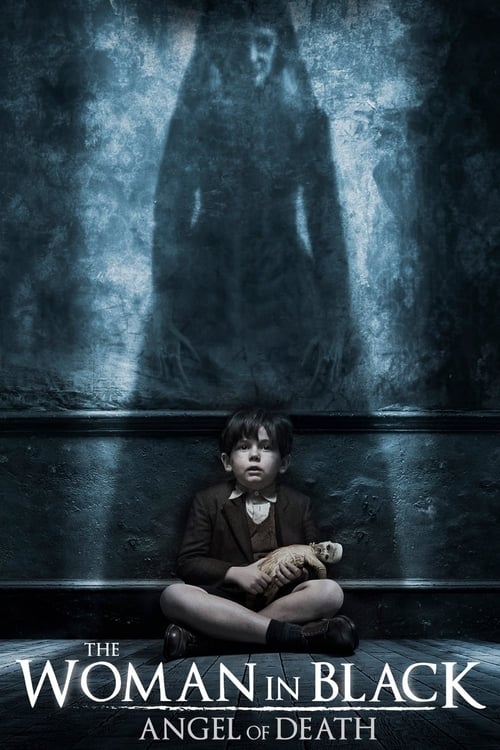
The Woman in Black 2: Angel of Death
40 years after the first haunting at Eel Marsh House, a group of children evacuated from WWII London arrive, awakening the house's darkest inhabitant.
Despite a moderate budget of $15.0M, The Woman in Black 2: Angel of Death became a box office success, earning $48.9M worldwide—a 226% return.
2 wins & 2 nominations


Plot Structure
Story beats plotted across runtime


Narrative Arc
Emotional journey through the story's key moments
Story Circle
Blueprint 15-beat structure
Arcplot Score Breakdown
Weighted: Precision (70%) + Arc (15%) + Theme (15%)
The Woman in Black 2: Angel of Death (2014) demonstrates precise dramatic framework, characteristic of Tom Harper's storytelling approach. This structural analysis examines how the film's 15-point plot structure maps to proven narrative frameworks across 1 hour and 38 minutes. With an Arcplot score of 7.0, the film balances conventional beats with creative variation.
Characters
Cast & narrative archetypes

Eve Parkins
Harry Burnstow
Edward
Jean Hogg
The Woman in Black
Main Cast & Characters
Eve Parkins
Played by Phoebe Fox
A young schoolteacher who leads evacuated children to Eel Marsh House during WWII, confronting the vengeful Woman in Black
Harry Burnstow
Played by Jeremy Irvine
An RAF pilot who assists Eve and the children, becoming romantically involved with her while battling the supernatural threat
Edward
Played by Oaklee Pendergast
A traumatized, mute orphan boy who becomes a focal point for the Woman in Black's vengeful spirit
Jean Hogg
Played by Helen McCrory
The strict, skeptical headmistress who dismisses supernatural warnings and maintains rigid authority over the evacuated children
The Woman in Black
Played by Leanne Best
The malevolent ghost of Jennet Humfrye, seeking revenge by targeting children at Eel Marsh House
Structural Analysis
The Status Quo at 1 minutes (1% through the runtime) establishes London during WWII bombing. Eve Parkins, a schoolteacher, evacuates orphaned children while caring for young Edward, a traumatized mute boy whose parents died in the Blitz.. Significantly, this early placement immediately immerses viewers in the story world.
The inciting incident occurs at 12 minutes when The group arrives at Eel Marsh House - the isolated, abandoned mansion surrounded by marshland. The ominous location immediately creates unease and marks their entry into danger.. At 12% through the film, this Disruption aligns precisely with traditional story structure. This beat shifts the emotional landscape, launching the protagonist into the central conflict.
The First Threshold at 25 minutes marks the transition into Act II, occurring at 26% of the runtime. This demonstrates the protagonist's commitment to Eve witnesses the Woman in Black for the first time in the house. She makes the active choice to investigate rather than flee, committed to protecting the children despite the supernatural threat., moving from reaction to action.
At 49 minutes, the Midpoint arrives at 50% of the runtime—precisely centered, creating perfect narrative symmetry. The analysis reveals that this crucial beat A child nearly drowns in the marsh, lured by the Woman in Black. Eve realizes the ghost isn't just haunting - she's actively trying to kill the children. The stakes escalate from scary to deadly., fundamentally raising what's at risk. The emotional intensity shifts, dividing the narrative into clear before-and-after phases.
The Collapse moment at 74 minutes (76% through) represents the emotional nadir. Here, Jean Hogg is killed by the Woman in Black. The mentor figure dies, leaving Eve alone to protect the children. The "whiff of death" is literal - hope seems lost., indicates the protagonist at their lowest point. This beat's placement in the final quarter sets up the climactic reversal.
The Second Threshold at 79 minutes initiates the final act resolution at 81% of the runtime. Eve realizes the Woman in Black seeks her lost son, and Edward's silence stems from the same grief. She understands that only by helping the ghost let go of her pain can they all be freed - embracing the film's theme., demonstrating the transformation achieved throughout the journey.
Emotional Journey
The Woman in Black 2: Angel of Death's emotional architecture traces a deliberate progression across 15 carefully calibrated beats.
Narrative Framework
This structural analysis employs a 15-point narrative structure framework that maps key story moments. By mapping The Woman in Black 2: Angel of Death against these established plot points, we can identify how Tom Harper utilizes or subverts traditional narrative conventions. The plot point approach reveals not only adherence to structural principles but also creative choices that distinguish The Woman in Black 2: Angel of Death within the thriller genre.
Comparative Analysis
Additional thriller films include The Warriors, Thunderball and Rustom.
Plot Points by Act
Act I
SetupStatus Quo
London during WWII bombing. Eve Parkins, a schoolteacher, evacuates orphaned children while caring for young Edward, a traumatized mute boy whose parents died in the Blitz.
Theme
Jean Hogg tells Eve, "Sometimes holding on does more harm than letting go," referring to Edward's inability to speak - foreshadowing the theme of grief and the need to release the past.
Worldbuilding
Establishment of wartime London, the group of orphans, Eve's nurturing but haunted nature, and the decision to evacuate the children to the countryside away from the bombing.
Disruption
The group arrives at Eel Marsh House - the isolated, abandoned mansion surrounded by marshland. The ominous location immediately creates unease and marks their entry into danger.
Resistance
Eve and the children settle into the creepy house. Harry Burnstow, a pilot, crashes nearby and joins them. Strange occurrences begin - noises, shadows - but are dismissed as the house settling or the children's imaginations.
Act II
ConfrontationFirst Threshold
Eve witnesses the Woman in Black for the first time in the house. She makes the active choice to investigate rather than flee, committed to protecting the children despite the supernatural threat.
Mirror World
Eve and Harry's relationship deepens as he shares his own loss and trauma from the war. Their connection represents the possibility of healing through human connection rather than isolation.
Premise
Classic haunted house sequences. Eve researches the house's tragic history, discovering Jennet Humfrye's story. The Woman in Black intensifies her attacks, targeting the children. Edward begins drawing disturbing images.
Midpoint
A child nearly drowns in the marsh, lured by the Woman in Black. Eve realizes the ghost isn't just haunting - she's actively trying to kill the children. The stakes escalate from scary to deadly.
Opposition
The Woman in Black's attacks intensify. Eve discovers the connection between Edward and the ghost's dead son. Attempts to leave fail - they're trapped by the marshes and the spirit's power. Children start turning against the adults.
Collapse
Jean Hogg is killed by the Woman in Black. The mentor figure dies, leaving Eve alone to protect the children. The "whiff of death" is literal - hope seems lost.
Crisis
Eve breaks down in despair after Jean's death. The children are in mortal danger, and she feels powerless. She must confront her own grief and trauma to find a way forward.
Act III
ResolutionSecond Threshold
Eve realizes the Woman in Black seeks her lost son, and Edward's silence stems from the same grief. She understands that only by helping the ghost let go of her pain can they all be freed - embracing the film's theme.
Synthesis
Eve confronts the Woman in Black, using Edward as a conduit to reunite the ghost with her son's spirit. A intense supernatural confrontation unfolds as Eve risks everything to break the cycle of vengeance and grief.
Transformation
Edward speaks for the first time, calling out to Eve. Both he and Eve have released their grief and trauma. They escape Eel Marsh House as it burns, transformed from haunted victims to healed survivors.