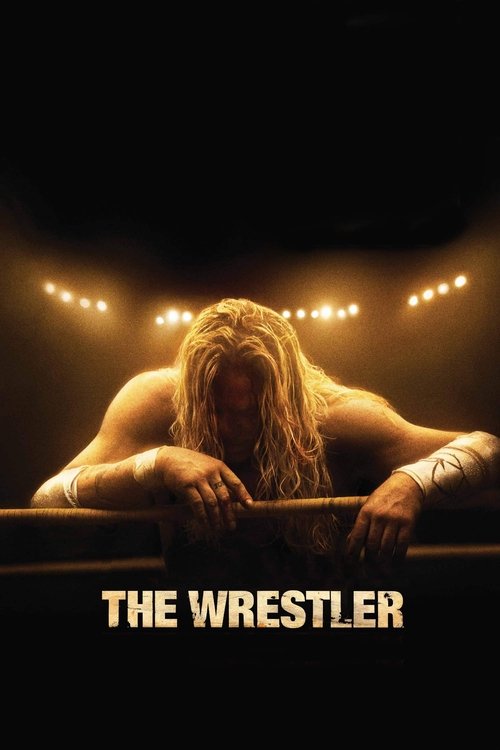
The Wrestler
Aging wrestler Randy "The Ram" Robinson is long past his prime but still ready and rarin' to go on the pro-wrestling circuit. After a particularly brutal beating, however, Randy hangs up his tights, pursues a serious relationship with a long-in-the-tooth stripper, and tries to reconnect with his estranged daughter. But he can't resist the lure of the ring and readies himself for a comeback.
Despite its modest budget of $6.0M, The Wrestler became a massive hit, earning $44.7M worldwide—a remarkable 646% return. The film's fresh perspective connected with viewers, showing that strong storytelling can transcend budget limitations.
Nominated for 2 Oscars. 58 wins & 93 nominations


Plot Structure
Story beats plotted across runtime


Narrative Arc
Emotional journey through the story's key moments
Story Circle
Blueprint 15-beat structure
Arcplot Score Breakdown
Weighted: Precision (70%) + Arc (15%) + Theme (15%)
The Wrestler (2008) demonstrates precise narrative design, characteristic of Darren Aronofsky's storytelling approach. This structural analysis examines how the film's 15-point plot structure maps to proven narrative frameworks across 1 hour and 49 minutes. With an Arcplot score of 6.3, the film takes an unconventional approach to traditional narrative frameworks.
Characters
Cast & narrative archetypes

Randy "The Ram" Robinson
Cassidy/Pam
Stephanie Robinson
The Ayatollah
Main Cast & Characters
Randy "The Ram" Robinson
Played by Mickey Rourke
An aging professional wrestler struggling to maintain relevance and rebuild his life after a heart attack forces him to retire.
Cassidy/Pam
Played by Marisa Tomei
A middle-aged stripper and single mother who develops a tentative relationship with Randy while dealing with her own aging and loneliness.
Stephanie Robinson
Played by Evan Rachel Wood
Randy's estranged daughter who has deep resentment toward her father for his absence and broken promises throughout her life.
The Ayatollah
Played by Ernest Miller
A fellow professional wrestler and Randy's rival who agrees to a rematch that becomes Randy's final chance at glory.
Structural Analysis
The Status Quo at 1 minutes (1% through the runtime) establishes Randy "The Ram" Robinson sits alone in a folding chair after a small-venue wrestling match, his aged, scarred body visible beneath faded glory. The contrast between newspaper clippings of his 1980s fame and his current diminished state establishes a man clinging to a past that has abandoned him.. Notably, this early placement immediately immerses viewers in the story world.
The inciting incident occurs at 13 minutes when After a brutal hardcore match involving staple guns and barbed wire, Randy collapses in the locker room and suffers a massive heart attack. Emergency bypass surgery follows—the doctor tells him his wrestling career is over or he will die.. At 12% through the film, this Disruption aligns precisely with traditional story structure. This beat shifts the emotional landscape, launching the protagonist into the central conflict.
The First Threshold at 27 minutes marks the transition into Act II, occurring at 25% of the runtime. This indicates the protagonist's commitment to Randy makes the active choice to reach out to his daughter Stephanie, showing up at her home to attempt reconciliation. He commits to retiring from wrestling and building a real life—choosing human connection over the ring for the first time., moving from reaction to action.
At 55 minutes, the Midpoint arrives at 50% of the runtime—precisely centered, creating perfect narrative symmetry. Significantly, this crucial beat Randy and Stephanie share a genuine moment of connection on the abandoned boardwalk. She begins to forgive him, and they make plans for dinner. Simultaneously, Randy is offered a 20th anniversary rematch against his old rival, The Ayatollah—a chance at one final moment of glory. False victory: Randy believes he can have both worlds., fundamentally raising what's at risk. The emotional intensity shifts, dividing the narrative into clear before-and-after phases.
The Collapse moment at 82 minutes (75% through) represents the emotional nadir. Here, Randy gets drunk and high with a ring rat, causing him to miss the dinner with Stephanie. When he finally shows up, she is devastated and tells him she never wants to see him again—she knew he would let her down. Randy has destroyed his one chance at real human connection. His daughter is lost to him forever., reveals the protagonist at their lowest point. This beat's placement in the final quarter sets up the climactic reversal.
The Second Threshold at 87 minutes initiates the final act resolution at 80% of the runtime. Randy calls the promoter and confirms he will take the rematch, knowing it will likely kill him. Cassidy comes to the strip club to stop him, offering him real love, but he tells her "the only place I get hurt is out there"—pointing to the real world. He chooses the ring over life itself., demonstrating the transformation achieved throughout the journey.
Emotional Journey
The Wrestler's emotional architecture traces a deliberate progression across 15 carefully calibrated beats.
Narrative Framework
This structural analysis employs a 15-point narrative structure framework that maps key story moments. By mapping The Wrestler against these established plot points, we can identify how Darren Aronofsky utilizes or subverts traditional narrative conventions. The plot point approach reveals not only adherence to structural principles but also creative choices that distinguish The Wrestler within the drama genre.
Darren Aronofsky's Structural Approach
Among the 7 Darren Aronofsky films analyzed on Arcplot, the average structural score is 6.2, demonstrating varied approaches to story architecture. The Wrestler represents one of the director's most structurally precise works. For comparative analysis, explore the complete Darren Aronofsky filmography.
Comparative Analysis
Additional drama films include After Thomas, South Pacific and Dirty Dancing: Havana Nights. For more Darren Aronofsky analyses, see Noah, mother! and Black Swan.
Plot Points by Act
Act I
SetupStatus Quo
Randy "The Ram" Robinson sits alone in a folding chair after a small-venue wrestling match, his aged, scarred body visible beneath faded glory. The contrast between newspaper clippings of his 1980s fame and his current diminished state establishes a man clinging to a past that has abandoned him.
Theme
At the strip club, Cassidy tells Randy that the customers "don't want to see an old, used-up pole dancer." This mirrors Randy's own situation—both are aging performers whose bodies are their livelihood, and whose worth is measured by their ability to entertain.
Worldbuilding
Randy's world is established: working at a grocery store for minimum wage, wrestling on weekends for small crowds, living in a trailer he can't always afford, visiting the strip club to see Cassidy. His body is breaking down but wrestling is all he knows—it's his identity, his community, his only source of validation.
Disruption
After a brutal hardcore match involving staple guns and barbed wire, Randy collapses in the locker room and suffers a massive heart attack. Emergency bypass surgery follows—the doctor tells him his wrestling career is over or he will die.
Resistance
Randy debates his future. Cassidy becomes a reluctant guide, advising him to reconnect with his estranged daughter Stephanie. He resists—wrestling is all he has. But facing mortality, he begins to consider that there might be life beyond the ring, even as he struggles to imagine who he would be without it.
Act II
ConfrontationFirst Threshold
Randy makes the active choice to reach out to his daughter Stephanie, showing up at her home to attempt reconciliation. He commits to retiring from wrestling and building a real life—choosing human connection over the ring for the first time.
Mirror World
Randy and Cassidy share an intimate conversation where their parallel lives become clear—both are performers past their prime, both use stage names, both sell their bodies for the crowd's approval. Cassidy represents the life Randy could have if he learns to be a real person instead of a character.
Premise
Randy explores life outside wrestling. He works the deli counter at the grocery store—initially humiliating, but he discovers he can connect with customers, especially kids. He slowly rebuilds his relationship with Stephanie, taking her to the boardwalk. He pursues Cassidy romantically. For a moment, a normal life seems possible.
Midpoint
Randy and Stephanie share a genuine moment of connection on the abandoned boardwalk. She begins to forgive him, and they make plans for dinner. Simultaneously, Randy is offered a 20th anniversary rematch against his old rival, The Ayatollah—a chance at one final moment of glory. False victory: Randy believes he can have both worlds.
Opposition
Randy's two worlds collide. He accepts the rematch against medical advice. His grocery store job becomes unbearable when a customer recognizes him, shattering his anonymity. Cassidy rejects his romantic advances, insisting on maintaining professional boundaries. The pressure of maintaining his "normal" life while being drawn back to wrestling intensifies.
Collapse
Randy gets drunk and high with a ring rat, causing him to miss the dinner with Stephanie. When he finally shows up, she is devastated and tells him she never wants to see him again—she knew he would let her down. Randy has destroyed his one chance at real human connection. His daughter is lost to him forever.
Crisis
Randy spirals into despair. At work, when a customer calls him by his real name and recognizes him, he snaps—mutilating his hand on the deli slicer and walking out. He has nothing left: no daughter, no Cassidy, no dignity at work. Only the ring remains.
Act III
ResolutionSecond Threshold
Randy calls the promoter and confirms he will take the rematch, knowing it will likely kill him. Cassidy comes to the strip club to stop him, offering him real love, but he tells her "the only place I get hurt is out there"—pointing to the real world. He chooses the ring over life itself.
Synthesis
Randy enters the ring for his final match against The Ayatollah. The crowd roars. Mid-match, he begins having heart symptoms—chest pain, shortness of breath. His opponent offers to end the match early, but Randy refuses. He climbs to the top rope for his signature move, "The Ram Jam," as Cassidy watches from the crowd, then turns and walks away.
Transformation
Randy leaps from the top rope into the blinding lights, arms spread like a crucifixion, choosing death in glory over life in obscurity. The screen cuts to black before we see him land—he has become pure performance, transcending his broken body in one final moment. The man who could never be real has chosen to die as a character.