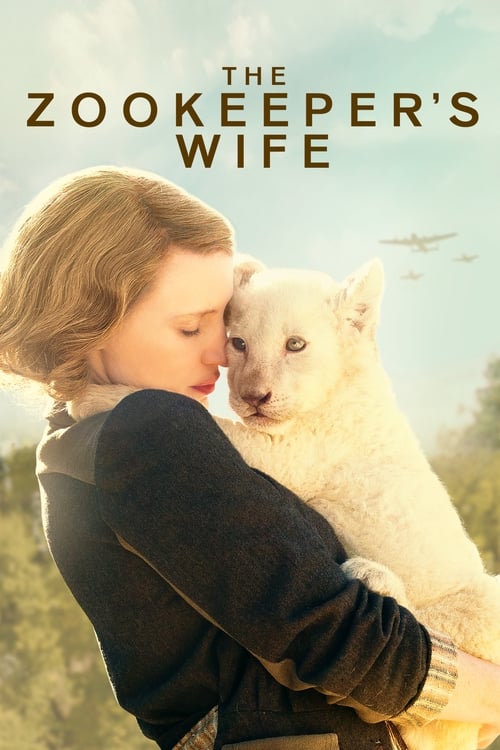
The Zookeeper's Wife
The account of keepers of the Warsaw Zoo, Jan and Antonina Zabinski, who helped save hundreds of people and animals during the Nazi invasion.
Working with a mid-range budget of $20.0M, the film achieved a modest success with $26.2M in global revenue (+31% profit margin).
2 wins & 4 nominations


Plot Structure
Story beats plotted across runtime


Narrative Arc
Emotional journey through the story's key moments
Story Circle
Blueprint 15-beat structure
Arcplot Score Breakdown
Weighted: Precision (70%) + Arc (15%) + Theme (15%)
The Zookeeper's Wife (2017) exhibits carefully calibrated plot construction, characteristic of Niki Caro's storytelling approach. This structural analysis examines how the film's 15-point plot structure maps to proven narrative frameworks across 2 hours and 6 minutes. With an Arcplot score of 7.2, the film balances conventional beats with creative variation.
Characters
Cast & narrative archetypes

Antonina Żabińska
Jan Żabiński
Lutz Heck
Magda Gross
Maurycy Fraenkel
Ryszard Żabiński
Main Cast & Characters
Antonina Żabińska
Played by Jessica Chastain
The compassionate wife of the Warsaw Zoo director who risks everything to hide Jews in her home during the Nazi occupation.
Jan Żabiński
Played by Johan Heldenbergh
The brave zookeeper and husband who works with the Polish resistance while sheltering refugees in the zoo.
Lutz Heck
Played by Daniel Brühl
The chief zoologist of the Berlin Zoo and Nazi party member who becomes obsessed with both Antonina and rare animal breeding.
Magda Gross
Played by Efrat Dor
A Jewish woman and artist who hides in the zoo and becomes close to the Żabiński family.
Maurycy Fraenkel
Played by Iddo Goldberg
A Jewish insect expert and friend of the Żabińskis who seeks refuge in the zoo.
Ryszard Żabiński
Played by Timothy Radford
The young son of Jan and Antonina who witnesses the horrors of war and the courage of his parents.
Structural Analysis
The Status Quo at 1 minutes (1% through the runtime) establishes Antonina awakens in her idyllic Warsaw Zoo home in 1939, surrounded by animals she cares for. She assists a newborn elephant, demonstrating her gentle nurturing nature and deep connection to life. The zoo is a paradise of innocence before the war.. Of particular interest, this early placement immediately immerses viewers in the story world.
The inciting incident occurs at 15 minutes when September 1939: German bombers attack Warsaw. The zoo is devastated by aerial bombardment, animals are killed and escape in chaos. The paradise is shattered in minutes. Antonina must shoot wounded animals in mercy. Their innocent world is irrevocably destroyed.. At 12% through the film, this Disruption aligns precisely with traditional story structure. This beat shifts the emotional landscape, launching the protagonist into the central conflict.
The First Threshold at 33 minutes marks the transition into Act II, occurring at 26% of the runtime. This illustrates the protagonist's commitment to Jan proposes using the zoo as a front to hide Jews, smuggling them out of the ghetto. Antonina agrees despite the mortal danger. They actively choose to risk their lives and their son's life to save others. Their mission begins: the zoo becomes a way station on the underground railroad., moving from reaction to action.
At 63 minutes, the Midpoint arrives at 50% of the runtime—precisely centered, creating perfect narrative symmetry. Significantly, this crucial beat The Nazis liquidate the Warsaw Ghetto. Jan witnesses the mass deportations and executions. The stakes escalate dramatically. The couple realizes the full horror of what they're fighting against, and that their operation must intensify even as danger multiplies. False victory becomes true terror., fundamentally raising what's at risk. The emotional intensity shifts, dividing the narrative into clear before-and-after phases.
The Collapse moment at 91 minutes (73% through) represents the emotional nadir. Here, Jan is captured during the Warsaw Uprising. Antonina receives word he may be dead. She is alone, pregnant, with hidden Jews in the basement, and Nazis hunting resistance members. She faces Heck's final advances with no protection. Everything has collapsed—her partner, her safety, her hope., reveals the protagonist at their lowest point. This beat's placement in the final quarter sets up the climactic reversal.
The Second Threshold at 102 minutes initiates the final act resolution at 81% of the runtime. The war ends. Soviet forces liberate Warsaw. Antonina learns Jan survived as a POW and will return. She realizes they succeeded—they saved 300 lives. The synthesis of her compassion (Mirror World lesson) with their shared courage enabled them to preserve humanity in the face of evil., demonstrating the transformation achieved throughout the journey.
Emotional Journey
The Zookeeper's Wife's emotional architecture traces a deliberate progression across 15 carefully calibrated beats.
Narrative Framework
This structural analysis employs proven narrative structure principles that track dramatic progression. By mapping The Zookeeper's Wife against these established plot points, we can identify how Niki Caro utilizes or subverts traditional narrative conventions. The plot point approach reveals not only adherence to structural principles but also creative choices that distinguish The Zookeeper's Wife within the drama genre.
Niki Caro's Structural Approach
Among the 5 Niki Caro films analyzed on Arcplot, the average structural score is 6.9, demonstrating varied approaches to story architecture. The Zookeeper's Wife represents one of the director's most structurally precise works. For comparative analysis, explore the complete Niki Caro filmography.
Comparative Analysis
Additional drama films include After Thomas, South Pacific and Dirty Dancing: Havana Nights. For more Niki Caro analyses, see Whale Rider, Mulan and McFarland, USA.
Plot Points by Act
Act I
SetupStatus Quo
Antonina awakens in her idyllic Warsaw Zoo home in 1939, surrounded by animals she cares for. She assists a newborn elephant, demonstrating her gentle nurturing nature and deep connection to life. The zoo is a paradise of innocence before the war.
Theme
Lutz Heck, the Nazi zoologist, tells Antonina: "You can never tell who your enemies are, or who to trust. Maybe that's why I love animals so much." This foreshadows the moral complexity of survival, trust, and the choice between self-preservation and courage.
Worldbuilding
Establishment of the Żabiński family's pre-war life: Antonina as compassionate zookeeper and mother, Jan as zoo director, their son Ryszard, and the thriving Warsaw Zoo. Introduction of Lutz Heck's attraction to Antonina and his ambition. The world of 1939 Poland on the brink of invasion.
Disruption
September 1939: German bombers attack Warsaw. The zoo is devastated by aerial bombardment, animals are killed and escape in chaos. The paradise is shattered in minutes. Antonina must shoot wounded animals in mercy. Their innocent world is irrevocably destroyed.
Resistance
The Żabińskis debate their options under Nazi occupation. The zoo is commandeered. Lutz Heck arrives to "rescue" prize animals for his breeding program, but shoots others. Antonina and Jan witness the creation of the Jewish ghetto. They resist the idea of active resistance, focusing on survival. Jan begins underground work.
Act II
ConfrontationFirst Threshold
Jan proposes using the zoo as a front to hide Jews, smuggling them out of the ghetto. Antonina agrees despite the mortal danger. They actively choose to risk their lives and their son's life to save others. Their mission begins: the zoo becomes a way station on the underground railroad.
Mirror World
Magda Gross, a friend from the ghetto, becomes the first "guest" they hide in the zoo. She represents the hundreds they will save, embodying the theme: trust, sacrifice, and the preservation of humanity in inhumane circumstances. The relationship teaches Antonina what true courage means.
Premise
The "premise in action": the zoo operates as a cover for the underground railroad. Antonina hides Jews in animal cages and basement tunnels while raising pigs for the Germans as cover. She manages constant tension between Nazi visits (especially Heck's advances) and protecting her hidden guests. Jan moves people through the network.
Midpoint
The Nazis liquidate the Warsaw Ghetto. Jan witnesses the mass deportations and executions. The stakes escalate dramatically. The couple realizes the full horror of what they're fighting against, and that their operation must intensify even as danger multiplies. False victory becomes true terror.
Opposition
Pressure intensifies from all sides: Lutz Heck's sexual advances become more aggressive and threatening; Nazi inspections increase; hidden guests become traumatized and unpredictable; Antonina becomes pregnant and emotionally strained. The Warsaw Uprising begins. Jan joins the fight, leaving Antonina alone to maintain the cover.
Collapse
Jan is captured during the Warsaw Uprising. Antonina receives word he may be dead. She is alone, pregnant, with hidden Jews in the basement, and Nazis hunting resistance members. She faces Heck's final advances with no protection. Everything has collapsed—her partner, her safety, her hope.
Crisis
Antonina endures her darkest period: maintaining the charade with Heck to protect her hidden guests, surviving Nazi scrutiny while pregnant, grieving Jan's probable death, and questioning whether any of their sacrifice mattered. She must find strength she didn't know she possessed.
Act III
ResolutionSecond Threshold
The war ends. Soviet forces liberate Warsaw. Antonina learns Jan survived as a POW and will return. She realizes they succeeded—they saved 300 lives. The synthesis of her compassion (Mirror World lesson) with their shared courage enabled them to preserve humanity in the face of evil.
Synthesis
Jan returns. The family reunites. They survey the destroyed zoo and city but also celebrate the lives saved. Survivors thank them. They begin to rebuild. The finale shows the resolution: their choice to act saved hundreds, and though they lost much, they preserved what mattered most—human dignity and life.
Transformation
Closing image mirrors the opening: Antonina again tends to animals in the rebuilt zoo with her children, but she is transformed. No longer innocent, she is a woman who faced evil and chose courage. Title cards reveal they saved over 300 Jews. The paradise is restored, but earned through sacrifice.