UI
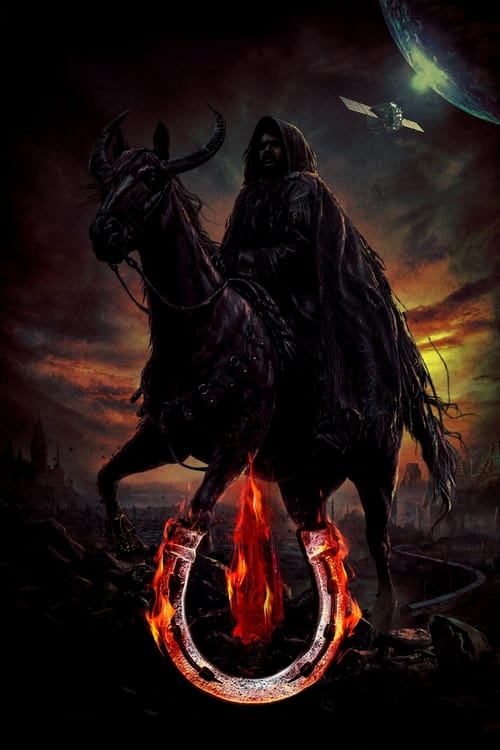
Set in a fictional world, the story is about the psychological conflict between a king in a town and an extraordinary man, and how that man, through his cunning and master minded plans takes over everything, takes control of the entire town, becomes a dictator.
The film financial setback against its modest budget of $11.8M, earning $5.5M globally (-53% loss). While initial box office returns were modest, the film has gained appreciation for its distinctive approach within the thriller genre.
Plot Structure
Story beats plotted across runtime


Narrative Arc
Emotional journey through the story's key moments
Story Circle
Blueprint 15-beat structure
Characters
Cast & narrative archetypes

Satya
Kalki
Nandi
The Controller
Maya
Vishwa
Kira
Main Cast & Characters
Satya
Played by Upendra
The protagonist navigating a dystopian future world where he challenges the established system and seeks truth.
Kalki
Played by Reeshma Nanaiah
A mysterious woman who serves as the emotional anchor and moral compass in Satya's journey.
Nandi
Played by Murali Sharma
A key ally who supports Satya in his quest, providing crucial assistance and friendship.
The Controller
Played by Sadhu Kokila
The antagonistic force representing the oppressive system that Satya must confront.
Maya
Played by Indukuri Suneetha Rao
A shapeshifter character whose loyalties remain ambiguous throughout the narrative.
Vishwa
Played by P. Ravi Shankar
A wise mentor figure who guides Satya with knowledge about the true nature of reality.
Kira
Played by Nidhi Subbaiah
A threshold guardian who tests Satya's resolve and commitment to his mission.
Structural Analysis
The Status Quo at 1 minutes (1% through the runtime) establishes A dystopian world is introduced where technology has taken over human society. The masses live under strict control, their humanity suppressed by an automated system that governs every aspect of life.. The analysis reveals that this early placement immediately immerses viewers in the story world.
The inciting incident occurs at 16 minutes when UI emerges as a mysterious figure who challenges the established order. His arrival disrupts the carefully maintained control system, offering hope to the oppressed masses who see him as a messiah.. At 12% through the film, this Disruption aligns precisely with traditional story structure. This beat shifts the emotional landscape, launching the protagonist into the central conflict.
The First Threshold at 33 minutes marks the transition into Act II, occurring at 25% of the runtime. This demonstrates the protagonist's commitment to UI makes the conscious decision to lead the resistance against the technological overlords. He publicly declares his opposition to the system, making himself a target but inspiring mass hope., moving from reaction to action.
At 66 minutes, the Midpoint arrives at 50% of the runtime—precisely centered, creating perfect narrative symmetry. The analysis reveals that this crucial beat UI achieves a significant victory against the system, gaining widespread support and appearing to turn the tide. This false victory makes the resistance believe total liberation is within reach., fundamentally raising what's at risk. The emotional intensity shifts, dividing the narrative into clear before-and-after phases.
The Collapse moment at 99 minutes (75% through) represents the emotional nadir. Here, UI faces his darkest hour as key allies are captured or killed, and the resistance appears crushed. The technological overlords seem invincible, and UI questions whether liberation is even possible., indicates the protagonist at their lowest point. This beat's placement in the final quarter sets up the climactic reversal.
The Second Threshold at 106 minutes initiates the final act resolution at 80% of the runtime. UI synthesizes his understanding of both human nature and technology, realizing the key to victory lies not in destroying machines but in awakening human consciousness. He formulates a final plan., demonstrating the transformation achieved throughout the journey.
Emotional Journey
UI's emotional architecture traces a deliberate progression across 15 carefully calibrated beats.
Narrative Framework
This structural analysis employs proven narrative structure principles that track dramatic progression. By mapping UI against these established plot points, we can identify how Upendra utilizes or subverts traditional narrative conventions. The plot point approach reveals not only adherence to structural principles but also creative choices that distinguish UI within the thriller genre.
Comparative Analysis
Additional thriller films include The Warriors, Thunderball and Rustom.
Plot Points by Act
Act I
SetupStatus Quo
A dystopian world is introduced where technology has taken over human society. The masses live under strict control, their humanity suppressed by an automated system that governs every aspect of life.
Theme
The theme of humanity versus technology is stated as a character observes that people have forgotten what it means to truly live and feel, having surrendered their souls to machines.
Worldbuilding
The oppressive technological dystopia is established. We see how citizens are monitored, controlled, and stripped of individuality. The ruling elite maintain power through advanced surveillance and automation systems.
Disruption
UI emerges as a mysterious figure who challenges the established order. His arrival disrupts the carefully maintained control system, offering hope to the oppressed masses who see him as a messiah.
Resistance
UI gathers followers and begins to understand the full extent of the technological tyranny. He debates whether to lead a revolution, weighing the cost of action against the suffering of inaction.
Act II
ConfrontationFirst Threshold
UI makes the conscious decision to lead the resistance against the technological overlords. He publicly declares his opposition to the system, making himself a target but inspiring mass hope.
Mirror World
UI connects with fellow resistors and common people who represent authentic humanity. These relationships ground his mission in human connection rather than abstract ideology, teaching him what he's truly fighting for.
Premise
UI builds the resistance movement, performing acts of rebellion that awaken the populace. The promise of the premise unfolds as we see the clash between human spirit and technological control in escalating confrontations.
Midpoint
UI achieves a significant victory against the system, gaining widespread support and appearing to turn the tide. This false victory makes the resistance believe total liberation is within reach.
Opposition
The technological powers strike back with overwhelming force. Betrayals occur within the resistance, and UI's followers are systematically hunted. The system adapts to counter every move, and hope begins to fade.
Collapse
UI faces his darkest hour as key allies are captured or killed, and the resistance appears crushed. The technological overlords seem invincible, and UI questions whether liberation is even possible.
Crisis
UI processes the devastating losses and confronts his own doubts. In the darkness, he must find renewed purpose and understand that the fight for humanity transcends any single victory or defeat.
Act III
ResolutionSecond Threshold
UI synthesizes his understanding of both human nature and technology, realizing the key to victory lies not in destroying machines but in awakening human consciousness. He formulates a final plan.
Synthesis
UI executes his final gambit, confronting the technological system at its core. The climactic battle unfolds as humanity rises to reclaim their agency, with UI serving as the catalyst for collective awakening.
Transformation
The world is transformed as humanity reclaims its identity from technological control. UI's legacy is cemented not as a ruler but as a liberator, and the people embrace a future where technology serves humanity rather than enslaves it.