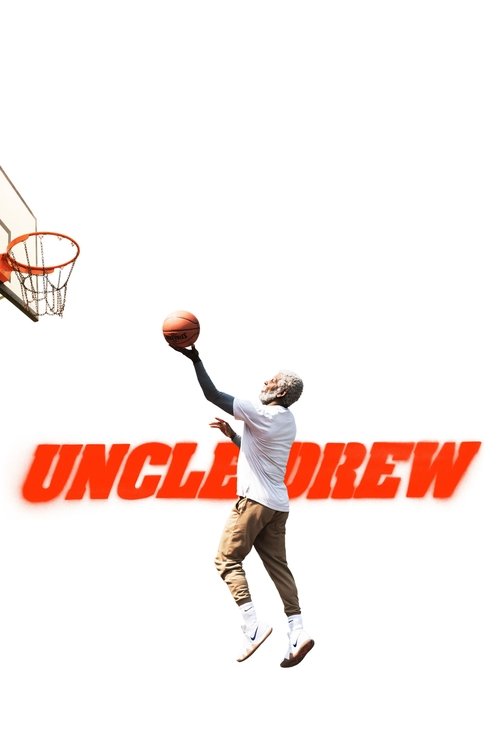
Uncle Drew
Uncle Drew recruits a squad of older basketball players to return to the court to compete in a tournament.
The film disappointed at the box office against its respectable budget of $19.0M, earning $17.7M globally (-7% loss).
3 wins & 1 nomination


Plot Structure
Story beats plotted across runtime


Narrative Arc
Emotional journey through the story's key moments
Story Circle
Blueprint 15-beat structure
Arcplot Score Breakdown
Weighted: Precision (70%) + Arc (15%) + Theme (15%)
Uncle Drew (2018) reveals meticulously timed story structure, characteristic of Charles Stone III's storytelling approach. This structural analysis examines how the film's 15-point plot structure maps to proven narrative frameworks across 1 hour and 43 minutes. With an Arcplot score of 7.4, the film balances conventional beats with creative variation.
Characters
Cast & narrative archetypes

Dax
Uncle Drew
Preacher
Lights
Boots
Big Fella
Maya
Mookie
Casper
Main Cast & Characters
Dax
Played by Lil Rel Howery
An enthusiastic basketball coach who loses his team and money, desperately seeking redemption through the Rucker Classic tournament.
Uncle Drew
Played by Kyrie Irving
A legendary elderly streetball player who recruits his old squad for one last tournament, revealing wisdom beneath his playful exterior.
Preacher
Played by Chris Webber
Drew's former teammate and sharpshooter who left basketball for the church but still has the skills and passion for the game.
Lights
Played by Reggie Miller
A blind but skilled basketball player who relies on sound and instinct, bringing unique abilities to the team despite his disability.
Boots
Played by Nate Robinson
Drew's former teammate living in a retirement home, initially reluctant but rediscovers his love for basketball and teamwork.
Big Fella
Played by Shaquille O'Neal
A martial arts enthusiast and former center who still possesses intimidating size and defensive prowess on the court.
Maya
Played by Tiffany Haddish
Dax's ex-girlfriend and Preacher's wife who becomes caught between the two men while supporting the team's journey.
Mookie
Played by Nick Kroll
Dax's rival and former friend who steals his team and money, representing the flashy, arrogant new generation of streetball.
Casper
Played by Lisa Leslie
A young female baller with exceptional skills who joins the elderly team, bridging the generational gap with her talent.
Structural Analysis
The Status Quo at 1 minutes (1% through the runtime) establishes Animated prologue showing the legend of Uncle Drew dominating streetball in the 1960s-70s, establishing the mythical status of the character and the world of playground basketball.. Significantly, this early placement immediately immerses viewers in the story world.
The inciting incident occurs at 13 minutes when Mookie steals Dax's entire team and his girlfriend Jess right before the tournament. Dax loses everything he's worked for - his team, his money, his girl, and his shot at redemption.. At 12% through the film, this Disruption aligns precisely with traditional story structure. This beat shifts the emotional landscape, launching the protagonist into the central conflict.
The First Threshold at 26 minutes marks the transition into Act II, occurring at 26% of the runtime. This demonstrates the protagonist's commitment to Dax makes the active choice to hit the road with Uncle Drew to recruit the old team. He withdraws his life savings, commits fully to this crazy plan, and enters the world of the elderly ballers., moving from reaction to action.
At 53 minutes, the Midpoint arrives at 51% of the runtime—precisely centered, creating perfect narrative symmetry. The analysis reveals that this crucial beat False victory: The team is finally complete when they recruit Big Fella. They arrive at the tournament and register. Everything seems to be coming together - they have their team, they're in the tournament, and the old guys still have game., fundamentally raising what's at risk. The emotional intensity shifts, dividing the narrative into clear before-and-after phases.
The Collapse moment at 76 minutes (73% through) represents the emotional nadir. Here, The team falls apart completely. Old wounds between Drew and Boots explode. The team quits on Dax. His controlling, win-obsessed behavior has driven everyone away. He's alone again, just like at the beginning, having learned nothing., reveals the protagonist at their lowest point. This beat's placement in the final quarter sets up the climactic reversal.
The Second Threshold at 82 minutes initiates the final act resolution at 80% of the runtime. Dax has the realization: he needs to apologize and bring the team back together not to win, but because they're family. He helps Drew reconcile with Boots. New understanding of what the team means - it's the journey and the brotherhood., demonstrating the transformation achieved throughout the journey.
Emotional Journey
Uncle Drew's emotional architecture traces a deliberate progression across 15 carefully calibrated beats.
Narrative Framework
This structural analysis employs systematic plot point analysis that identifies crucial turning points. By mapping Uncle Drew against these established plot points, we can identify how Charles Stone III utilizes or subverts traditional narrative conventions. The plot point approach reveals not only adherence to structural principles but also creative choices that distinguish Uncle Drew within the comedy genre.
Charles Stone III's Structural Approach
Among the 4 Charles Stone III films analyzed on Arcplot, the average structural score is 7.3, reflecting strong command of classical structure. Uncle Drew represents one of the director's most structurally precise works. For comparative analysis, explore the complete Charles Stone III filmography.
Comparative Analysis
Additional comedy films include The Bad Guys, Ella Enchanted and The Evening Star. For more Charles Stone III analyses, see Mr. 3000, The Underdoggs and Drumline.
Plot Points by Act
Act I
SetupStatus Quo
Animated prologue showing the legend of Uncle Drew dominating streetball in the 1960s-70s, establishing the mythical status of the character and the world of playground basketball.
Theme
Uncle Drew in commercial says "Basketball isn't just about winning, it's about having fun and playing with your brothers." Theme of loyalty and love of the game over glory stated early.
Worldbuilding
Dax is introduced as an orphan obsessed with basketball, working at a shoe store, coaching his Rucker Classic team. His girlfriend Jess supports him. Shows his desperation to prove himself and his troubled past with former friend Mookie.
Disruption
Mookie steals Dax's entire team and his girlfriend Jess right before the tournament. Dax loses everything he's worked for - his team, his money, his girl, and his shot at redemption.
Resistance
Dax debates giving up but decides to find Uncle Drew, the legendary player from the Pepsi commercials. He convinces Drew to play, but Drew has conditions: they must reunite his old team. Dax resists but has no choice.
Act II
ConfrontationFirst Threshold
Dax makes the active choice to hit the road with Uncle Drew to recruit the old team. He withdraws his life savings, commits fully to this crazy plan, and enters the world of the elderly ballers.
Mirror World
First recruiting stop: Preacher (Chris Webber) is found at a church. The bonding between the old teammates shows Dax a different world - one where friendship and history matter more than winning. This relationship world carries the theme.
Premise
The fun recruitment road trip: gathering Lights (Reggie Miller) from a retirement home, Boots (Nate Robinson) from a dojo, and Big Fella (Shaquille O'Neal). Comedy ensues as Dax learns about their history and bonds. The promise of old guys playing ball.
Midpoint
False victory: The team is finally complete when they recruit Big Fella. They arrive at the tournament and register. Everything seems to be coming together - they have their team, they're in the tournament, and the old guys still have game.
Opposition
During tournament games, internal conflicts emerge. Drew's estranged teammate Boots reveals the old betrayal. Dax's obsession with winning mirrors Drew's past mistakes. Team chemistry frays. Mookie and his team intimidate them. Stakes rise.
Collapse
The team falls apart completely. Old wounds between Drew and Boots explode. The team quits on Dax. His controlling, win-obsessed behavior has driven everyone away. He's alone again, just like at the beginning, having learned nothing.
Crisis
Dax hits rock bottom. He realizes he's become like Mookie - so focused on winning he forgot about people. He confronts his fear of abandonment and his need for control. Dark night of reflection on what really matters.
Act III
ResolutionSecond Threshold
Dax has the realization: he needs to apologize and bring the team back together not to win, but because they're family. He helps Drew reconcile with Boots. New understanding of what the team means - it's the journey and the brotherhood.
Synthesis
The reunited team plays the championship game against Mookie. Dax coaches with heart, not desperation. Drew and Boots reconcile on court. The old guys prove age is just a number. Final showdown combines skill with the power of unity.
Transformation
After winning the tournament, Dax turns down a business opportunity to stay with his new family. He opens a community center with the team. The former orphan has found his family - proof that it was never about the trophy.